The City of São Paulo has launched a large-scale open call inviting startups, technology firms, and research institutions to submit smart city solutions through its SAMPA SANDBOX programme. The six-month enrolment window, which opened in early March 2026, targets innovations in EV charging infrastructure, distributed renewable energy generation for electric mobility, smart grids, IoT, artificial intelligence, and 5G/6G telecoms, among other areas. Proposals that pass selection could be tested in real urban conditions across Latin America’s largest city, with the possibility of temporary regulatory waivers to accelerate experimentation.
A Regulatory Sandbox for Urban Innovation
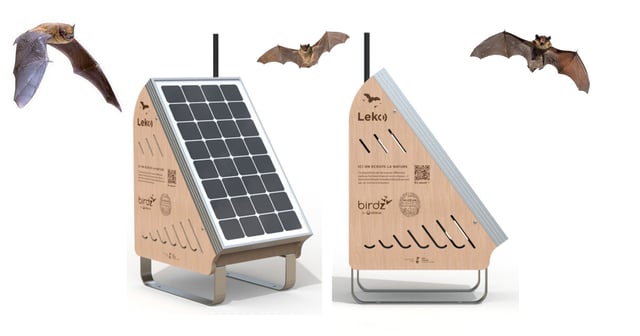
The initiative operates as a regulatory sandbox, allowing selected participants to trial new products, services, and processes in live city environments for a fixed period. According to the official tender, applicants may be Brazilian or foreign entities, including startups, technology-based companies, scientific and technological institutions, and research bodies, acting individually or as consortia. Eligible technology categories span a wide range: smart and resilient city solutions, underground and aerial smart grid networks, urban EV charging infrastructure, distributed renewable generation for electric transport, multimodal urban mobility (including terrestrial and aerial vehicles), intelligent urban furniture such as smart poles and photovoltaic garages, big data platforms, IoT systems, Industry 4.0 applications, AI, 3D/augmented/mixed reality, and next-generation telecom infrastructure based on openRAN and open-source architectures.
Additional themes aligned with the municipality’s 2025-2028 Goals Plan may also be admitted at any point by the programme’s steering committee.
Why Electric Mobility Is the Priority
The emphasis on EV infrastructure reflects an acute operational challenge. São Paulo currently operates the largest electric bus fleet in Brazil, accounting for over 80% of all zero-emission buses nationwide. As of March 2026, the city had roughly 1,259 electric vehicles in its transit system, including battery-electric buses and trolleybuses. The fleet is backed by approximately R$6.5 billion (around US$1.1 billion) in financing from the Inter-American Development Bank, BNDES, Caixa Econômica Federal, and Banco do Brasil, with a target of halving public transport greenhouse gas emissions by 2028 and eliminating them entirely by 2038.
However, progress has lagged behind the municipality’s own targets. The original plan called for 2,600 electrified buses by the end of 2024, a deadline that was missed. City officials attribute the delay primarily to insufficient capacity in the local electricity distribution network operated by Enel. Since October 2022, bus operators in São Paulo have been banned from purchasing new diesel vehicles, yet the grid bottleneck has forced the city’s transit authority, SPTrans, to extend the maximum permissible age of buses from 10 to 13 years.
The municipality views startup collaboration as a path to addressing these constraints, particularly through innovations in energy storage, smart grid management, and alternative charging solutions.
Broader Smart City Ambitions
The call is part of São Paulo’s wider digital transformation strategy. The city holds ISO certifications for intelligent, resilient, and sustainable cities, and its bus electrification subsidy model received a Bloomberg Philanthropies award in the clean and reliable transport category at COP30 in Belém. Beyond transit, the SAMPA SANDBOX programme signals ambitions in urban data management, intelligent street furniture, multimodal mobility platforms, and advanced connectivity infrastructure.
São Paulo State reinforced these ambitions in December 2025 when it launched a separate Smart Cities Programme to support municipalities with innovative technological solutions. The state ecosystem is substantial: Greater São Paulo ranks first in Brazil and 23rd globally for innovation according to the Global Startup Ecosystem Report 2025, with the technology sector representing approximately 11% of the state’s GDP. The metropolitan region is home to more than 4,000 startups, over 100 innovation environments, and a population of 22 million.
How São Paulo Compares Regionally
São Paulo’s open-innovation approach aligns with a broader pattern across Latin American cities using procurement reform and sandboxes to attract urban tech solutions. Bogotá, Santiago, and Mexico City have all pursued electric bus deployments at scale, but São Paulo’s fleet of over 1,200 zero-emission buses places it among the regional leaders. Brazil as a whole trails Chile (approximately 2,655 electric buses) and Colombia (around 1,590) in absolute terms, but domestic manufacturers such as Eletra and BYD Brazil are scaling production rapidly, with projections that Brazil could overtake both countries by the end of 2026.
The regulatory sandbox model itself remains relatively uncommon for municipal smart city programmes in Latin America, making São Paulo’s approach a potential reference for other megacities seeking structured ways to test urban technologies at scale.
What Remains Unclear
The official call does not specify an overall budget envelope for the programme, nor does it detail the number of startups the city expects to select. Specific pilot timelines, evaluation criteria weighting, and the extent of regulatory waivers available to participants have not been publicly disclosed beyond the general framework. It is also uncertain whether selected solutions would have a pathway to permanent public procurement contracts following successful pilot phases.