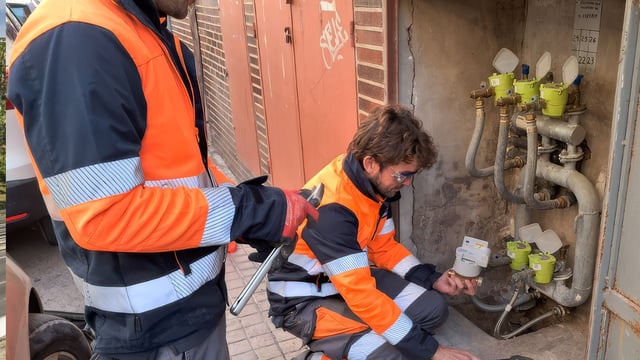
The Ajuntament de Xeraco and Veolia, the operator responsible for the municipality’s integral water cycle, are executing a 60,000 euro investment to modernize water supply and management infrastructure in the Valencian coastal town. The programme is centred on digitalizing metering and network monitoring to reduce losses, tighten consumption control and improve service continuity across a municipality of roughly 6,200 residents in the La Safor district. The announcement continues a multi-year push to convert Xeraco’s network into a data-driven, remotely monitored system.
Why A Small La Safor Municipality Is Prioritizing Network Digitalization
Xeraco has around 6,186 inhabitants and sits within a Valencian region facing recurrent drought and structural water stress, pressures that have accelerated the case for efficiency upgrades in even small networks. Digital metering and network sectorization let operators detect leaks earlier and bill on real rather than estimated readings, directly addressing non-revenue water. For a municipality this size, a low six-figure investment can cover a meaningful share of that modernization.
What The Operator Behind The Project Actually Manages
The service is run by Veolia, which operates locally under the former Hidraqua brand after the French group unified its Spanish subsidiaries under a single identity. Public tariff references list the municipal water price in Xeraco at 2.04 euros per cubic metre. Rate approval remains a public function, with the Xeraco council responsible for setting tariffs and the Generalitat Valenciana’s price commission authorizing them.
The Technology Base This Investment Builds On
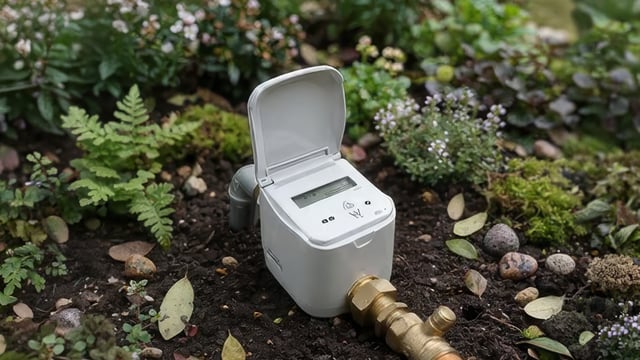
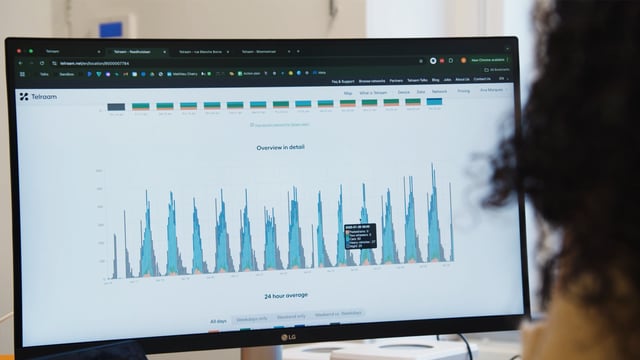
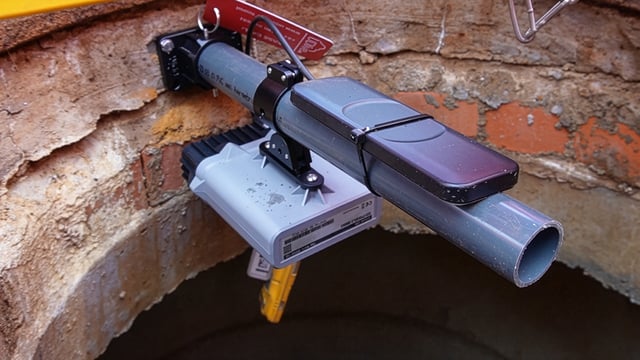
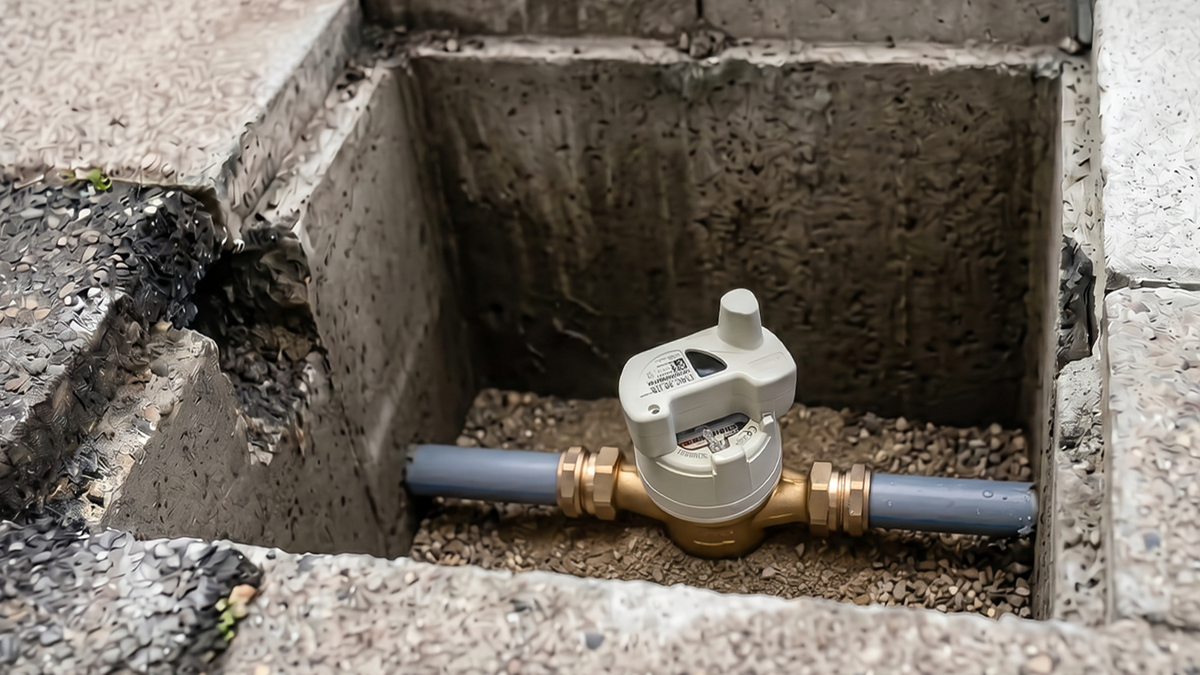
Xeraco began its shift to remote metering in 2022 using a standardized WIZE IoT protocol with coverage across the town. That system sends readings to a control centre and alerts users by email and SMS when consumption thresholds or continuous-flow patterns suggest a leak. The council framed the rollout as a first step toward a broader municipal data network and a move toward smart-city services.
How Xeraco Compares To Neighbouring Deployments
The scale of neighbouring projects offers useful benchmarks. In nearby La Font d’en Carròs, Veolia and the local council are installing 2,250 remote-reading meters and adding network sectorization under a grant-backed programme worth close to 312,000 euros. That comparison suggests Xeraco’s 60,000 euro figure likely funds a defined phase, such as additional meters, sensors or control upgrades, rather than a full network overhaul.
The National Funding Backdrop Shaping These Projects
Small-municipality upgrades in Valencia are unfolding within a much larger national digitalization wave financed through Spain’s water PERTE, coordinated by MITECO and co-funded by the EU’s NextGenerationEU mechanism. As we previously reported, Veolia secured about 76 million euros in PERTE grants across 17 projects spanning 209 municipalities and more than 6.2 million inhabitants, roughly 40 percent of the subsidies awarded to private operators. Individual town projects like Xeraco’s sit at the granular end of that national programme.
Where This Fits In Veolia’s Spanish Investment Strategy
The modernization also aligns with Veolia’s broader commercial roadmap in Spain. The group has outlined plans to invest around 1 billion euros in Spain through 2030, with water historically absorbing close to 60 percent of its capital deployment. Against that backdrop, granular municipal projects function as the operational layer that translates headline investment figures into measurable network performance.