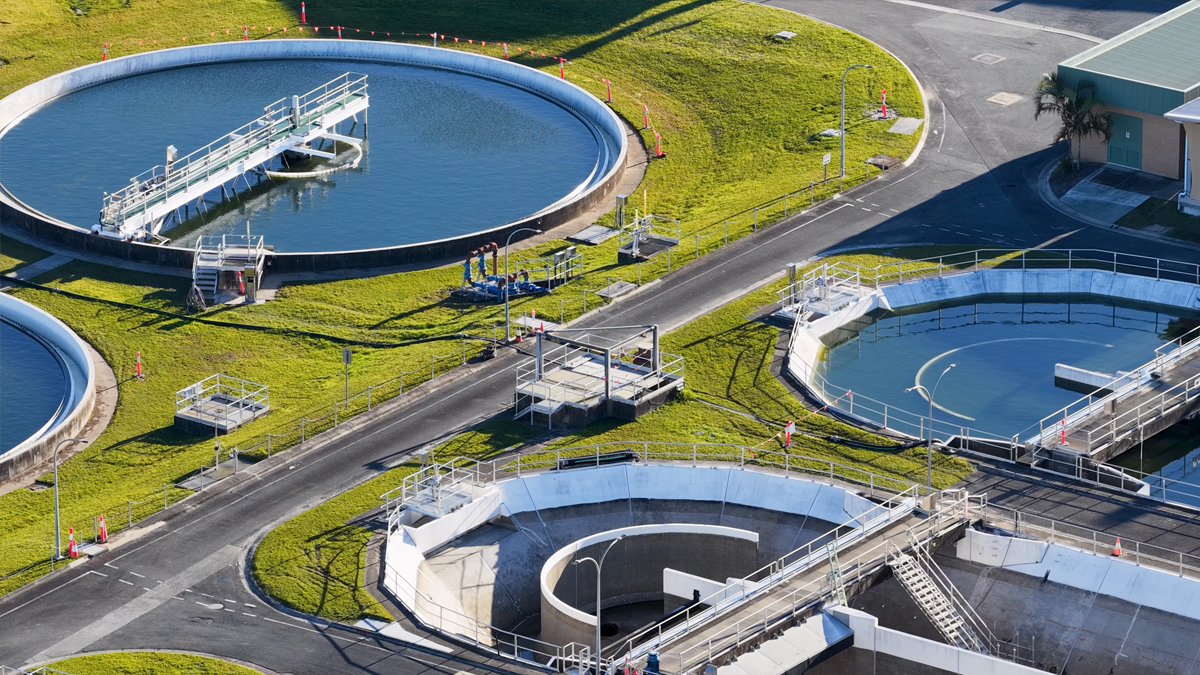
The European Investment Bank has approved a €450 million financing package for ACEA to upgrade water infrastructure across Italy’s Lazio region. The first €200 million tranche was signed in Rome on July 27, 2026, launching a company-wide investment programme running from 2027 to 2030. The funding will support water supply, treatment, distribution and wastewater management across the areas ACEA serves in Lazio, where the utility supplies drinking water to roughly 4 million residents.
Financing Structure and Investment Timeline
The €450 million package will be disbursed in tranches, with the initial €200 million intended to launch works under ACEA’s 2027 to 2030 investment plan. The remaining balance is expected to follow as the programme progresses, though neither the EIB nor ACEA has published a disbursement schedule for the outstanding amount. The financing was signed in Rome and formalised through ACEA’s corporate finance arm.
Scope of Works Across Lazio’s Water Network
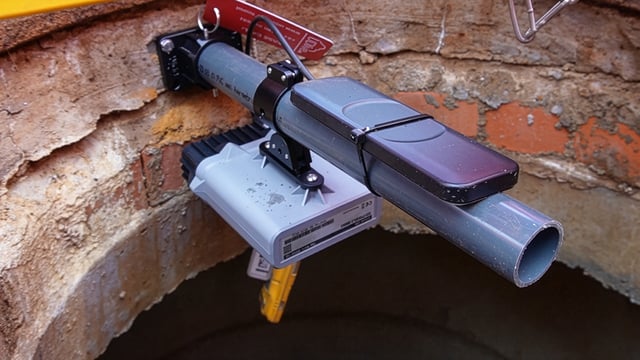
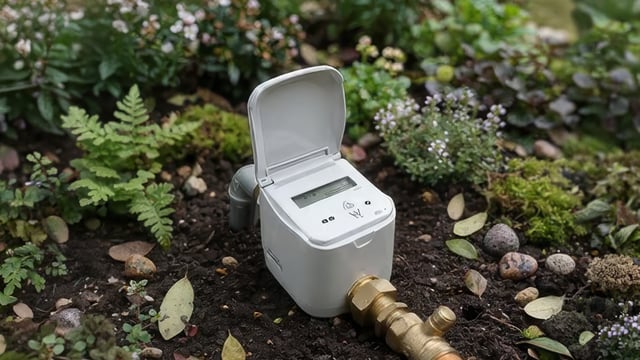
Planned interventions include upgrading distribution networks, reducing physical water losses, digitalising monitoring and management systems, and strengthening interconnections between separate supply systems. The programme also funds new wastewater reuse solutions intended to reduce reliance on freshwater withdrawals during dry periods. ACEA and the EIB describe the goal as improving operational efficiency and increasing the network’s resilience to climate-driven stress.
A Two-Decade Financing Relationship
The agreement is the seventeenth financing operation between the EIB and ACEA since their first deal in 1999, bringing the cumulative value of EIB support to the group to roughly €2.6 billion. Commenting on the agreement, EIB Vice President Gelsomina Vigliotti said: “The EIB plays a central role in supporting investment in the Italian water sector, where there is a significant need for modernisation and long-term financing.” She added that the operation would accelerate implementation of investment programmes and strengthen infrastructure resilience.
Italy’s Structural Water Loss Problem
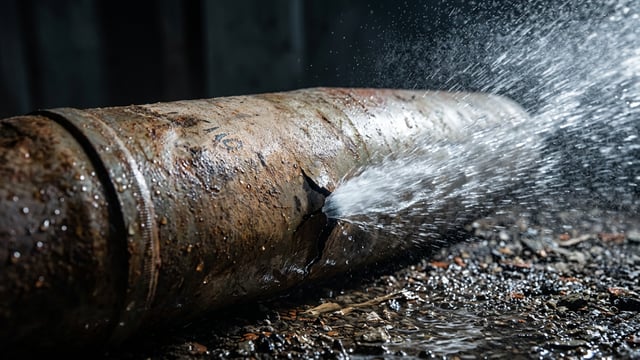
The financing arrives against a backdrop of persistent inefficiency in Italy’s water networks. National statistics agency ISTAT has reported that Italy lost more than 42 percent of the drinking water introduced into public distribution networks in 2022, a rate that has worsened slightly since 2020. Aging pipework, much of it decades old, and limited digital monitoring are widely cited as the main drivers of leakage, a pattern that has also drawn scrutiny from the European Commission.
EIB’s Broader Water Sector Commitment in Italy
The ACEA deal sits within a larger pattern of EIB lending to Italian water utilities. In 2025, Italy was the largest recipient of EIB financing for the water sector, with €837 million allocated to projects expected to expand drinking water access for 3.4 million people, improve sanitation for 4.7 million and reduce flood risk for nearly 4 million. Other Italian utilities that received EIB-backed water financing in 2025 include MM, Smat, Gruppo CAP, BrianzAcque, Acqua Novara.VCO and the Azienda Comprensoriale Acquedottistica, alongside a hydrobond issuance coordinated through Viveracqua.
ACEA’s Regional and Utility Footprint
ACEA is one of Italy’s largest multi-utility groups, listed on the Italian stock exchange since 1999 and headquartered in Rome. The group manages integrated water services for roughly 11 million people across Lazio, Tuscany, Umbria and several other Italian regions, alongside electricity distribution in Rome, waste management and energy production. Through its subsidiary Acea International, the company also operates water services in Honduras, the Dominican Republic and Peru, serving an additional 10 million people in Latin America.