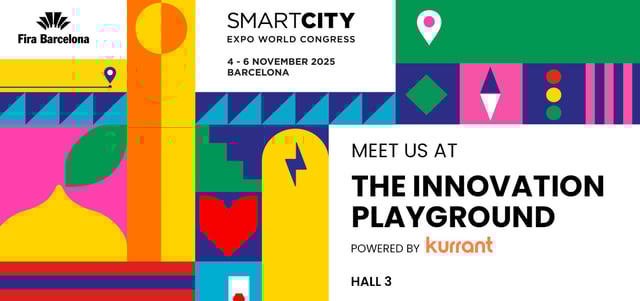
The TALQ Consortium, the standards body behind the TALQ Smart City Protocol for outdoor device networks, announced on September 17, 2026 that CICAT, the Barcelona-based Lighting Cluster of Catalonia, formally joined its Partner Program after signing a partnership agreement in August 2026. The first public output of the agreement is a panel session and after-dusk lighting walk in Barcelona on November 2, 2026, co-organised with the Lyon-based LUCI Association one day before the Smart City Expo World Congress opens in the same city.
The collaboration centres on knowledge exchange: CICAT will bring expertise on open, vendor-independent interfaces to its members, while TALQ gains a direct connection to a Catalan and Spanish lighting value chain that spans manufacturers, designers, specifiers, technology centres and universities.
What A Partner Program Seat Gives A Regional Lighting Cluster
TALQ offers two routes into its community. Manufacturers of smart city applications join as members to contribute to the protocol and certify their products, while cities, municipalities, utilities, consultants, universities and industry associations join as partners, giving CICAT and its members direct access to the standard’s technical knowledge and to the wider TALQ network.
CICAT is a non-profit organisation constituted on September 22, 2010, which takes part in the Catalunya Cluster programme run by the Generalitat de Catalunya and is an active member of the European Cluster Lighting Association. The cluster works at national and international level to connect lighting companies, professionals and institutions around shared technical and market challenges.
“Working together allows us to bring interoperability and smart city knowledge closer to the sector and create new opportunities for companies and cities,” said Andrea Padré, Cluster Manager at CICAT, in the organisations’ September 17, 2026 press release.
The LUCI Link Closes A Triangle Built Over Two Months
The Barcelona event builds on a second agreement signed eight weeks earlier. From July 2026, TALQ became an Associated Member of LUCI while LUCI joined the TALQ Partner Program, an arrangement that, according to coverage of that July announcement, pairs a global network of city lighting departments with the technical body maintaining the protocol.
LUCI brings the municipal perspective to the partnership. Set up in 2002 on the initiative of the City of Lyon, it counts more than 70 member towns and cities and over 40 associated members from industry, design agencies and research institutes, according to the International Commission on Illumination.
The November 2 session will examine how interactive lighting, urban design and connected city systems can respond to the night-time needs of women, older residents, minorities and other vulnerable groups, placing people’s experience of public space after dark at the centre of the discussion.
Where TALQ Sits Between Central Software And Device Networks
The TALQ protocol operates at the software layer of a connected lighting system. It defines how Central Management Software exchanges information with Outdoor Device Networks from different vendors, so that one CMS can control separate device networks deployed in different parts of a city or region, and the specification is written using the OpenAPI Specification, the de facto format for RESTful APIs.
The consortium was founded in 2012 by six lighting companies, including Philips (now Signify), Zumtobel, Schréder and Streetlight Vision, which Itron later acquired, and it operates as a member program of IEEE-ISTO, the IEEE Industry Standards and Technology Organization. The protocol was released publicly on GitHub in 2021, and the current version is freely available in the consortium’s public specification repository.
TALQ now counts more than 80 member companies. The protocol’s reach into device hardware widened in February 2026, when version 2.7.0 introduced joint profiles with the DALI Alliance and the Zhaga Consortium, linking luminaire-level data standards to network management software.
For cities preparing tenders, the consortium publishes an up-to-date list of certified products, and its certification process requires vendors to validate their implementations against a dedicated test tool suite before a product can carry the TALQ-certified logo.
Barcelona’s Lighting Estate Shows What Is At Stake Locally
The host city illustrates the scale of the infrastructure under discussion. Barcelona operates 157,000 lights, 35% of them LED, with a combined power potential of 16,300 kW and annual consumption of 67 GWh, equal to 20% of municipal energy use, according to a July 2024 update from Barcelona City Council.
The city’s lighting policy already aligns closely with the event’s theme. Municipal district offices have worked to identify dark spots using a gender perspective, with measures taken at 136 locations, adding lighting in 71% of cases and re-angling existing fixtures in the remaining 29%, and the city runs a centralised control system that detects faults, reprograms schedules and controls luminosity by zone.
What The Barcelona Session Sets Up For Catalan Cities
The partnership gives Catalan lighting manufacturers and municipal lighting teams a regional point of contact for a protocol that is openly published and backed by a certification programme. The November 2 session will be the first occasion where cities, suppliers and standards bodies from all three organisations meet around these topics.
The July agreement between LUCI and TALQ anticipated further joint city-focused events and publications, and CICAT’s entry adds a route for that material to reach Spanish manufacturers and specifiers.
The next step to watch is how cities taking part in the November 2 discussion carry open interfaces such as TALQ into their lighting master plans and tender specifications over the coming procurement cycles.