in Barcelona
 3 to 5 Nov 2026
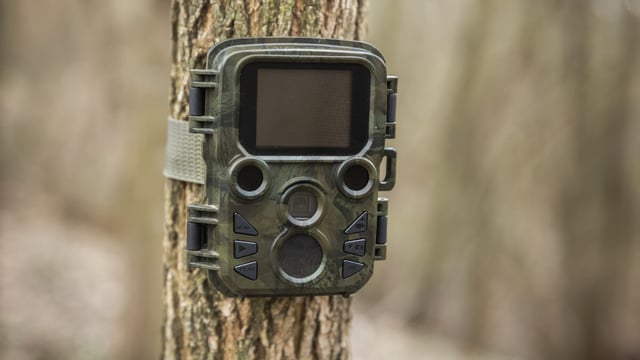
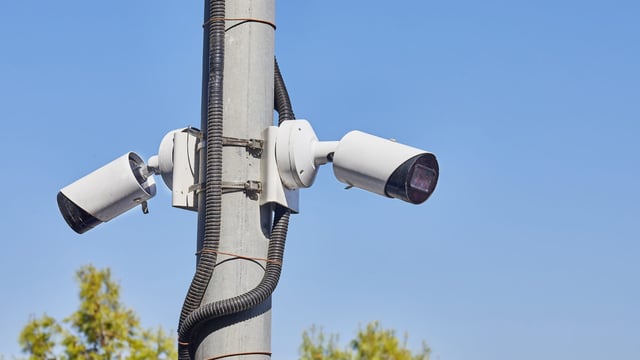
Aomori Prefecture in northern Japan began installing 12 sensor cameras with artificial intelligence recognition in the Hakkoda mountain range on 21 October 2026, a pilot project that identifies bears automatically and notifies the prefecture and the local municipality, with installation due to continue until mid-November, according to reports from Web Tohoku Nippo and NHK.
The sites were chosen as likely bear sighting areas in the range where a man in his 60s was killed on 29 June 2026 while collecting bamboo shoots, the only bear fatality the prefecture had recorded in 2026 as of 22 August.
A Pilot Built Around Cloud Analysis and Two Notification Recipients
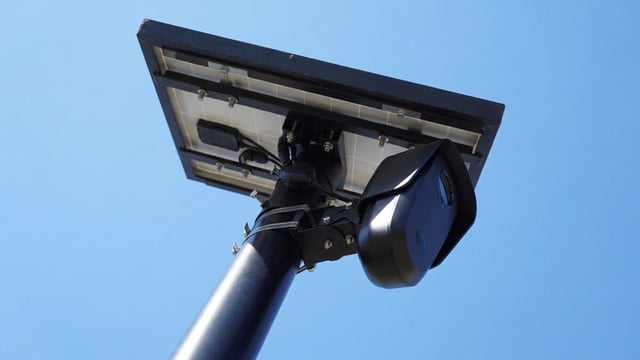
Each camera is about 15 centimetres tall and 10 centimetres wide, monitors around the clock and sends images and video to a cloud service where the recognition software decides whether the animal is a bear, according to Web Tohoku Nippo. When the software classifies an animal as a bear, the prefecture and the municipality in whose territory the camera sits are notified, while a headline from broadcaster RAB states that detections are also posted to Kumalog Aomori, the prefecture’s public sighting map.
The prefecture describes the exercise as a demonstration project whose purpose is to test whether early detection of bears reduces encounters between people and animals and prevents injuries, and it is the first time the prefecture has placed AI detection cameras in the mountains, according to a headline from broadcaster RAB.
What Happened in Hakkoda Before the Cameras Went Up
According to the prefecture’s bear warning page, updated on 22 August 2026, Aomori recorded three bear injury incidents and one death in 2026 up to that date, against 10 incidents and no deaths in the whole of 2025. Two of the three 2026 incidents occurred in the Hakkoda area within five days of each other, a woman in her 70s injured in both legs on 24 June and the fatal attack on 29 June, both involving people picking bamboo shoots.
A special bear warning covering the Hakkoda area ended on 31 July, while a prefecture-wide sighting warning remains in force from 20 April to 30 November 2026. The third 2026 incident was on 22 August in Towada, where a foreign tourist in his 30s was bitten on the right arm near the Kankodai observation deck.
Sighting Counts Put Aomori Among the Most Exposed Prefectures
The Cabinet Secretariat’s bear countermeasure materials, presented on 30 October 2025, recorded 1,386 bear sightings in Aomori from April to August 2025, the third-highest total among prefectures, even though the prefecture did not feature in the national top-five lists for injuries or deaths. That combination of high sightings and comparatively few injuries is the case an early-warning system is meant to preserve.
Nationally the same document recorded 12 bear deaths from April to 29 October 2025, the highest on record, and a 31 July 2026 update counted six deaths from April to July 2026 against one in the same months a year earlier. Sightings outside Hokkaido in April and May 2026 reached 6,333, compared with 3,328 a year earlier.
National Policy Has Moved From Culling Rules to Detection Funding
Japan introduced emergency shooting provisions on 1 September 2025 that allow municipalities to authorise rifle use in populated areas, and the 31 July 2026 update counted 85 cases since then, of which 77 involved Asiatic black bears and 68 took place in urban areas. Aomori accounted for four of those cases, all of them finishing shots on bears already held in box traps.
The government adopted a Bear Damage Countermeasures Roadmap running to 2030 on 27 March 2026, set a fiscal 2026 Ministry of the Environment bear budget of about 8 billion yen (about 45.46 million euros at the European Central Bank reference rate of 175.97 yen per euro on 22 October 2026), and launched an Urban Bear Countermeasures Team on 17 July 2026. Aomori itself set up a wildlife damage support center in April 2026 and has employed three government hunters since May, one of whom appears in the Web Tohoku Nippo photograph tying a camera to a tree.
Other Detection Systems Are Being Tested in Parallel
NTT Docomo began a trial on 22 May 2026, scheduled to end on 30 November 2026, in which cameras at two of its base stations in Hokkaido feed image recognition running on its multi-access edge computing platform, with the company citing more than 230 human injury cases and 13 deaths in fiscal 2025 as the rationale. Aomori’s design differs in that it places cameras on trees in the mountains rather than on telecom masts.
On the commercial side, Nagoya-based Lets Corporation opened reservations on 7 November 2025 for its AI Kuma-san Camera Pro at 437,000 yen (about 2,483 euros at the same rate), which News On Japan reported detects bears up to 100 metres away and warns with light and sound. The company’s 90 to 95 percent recognition rate is a vendor-supplied figure that has not been independently audited, and the product has no confirmed connection to the Aomori project.
Twelve Cameras Against a Mountain Range
The pilot’s value will turn on two measurable quantities: how many detections are false alarms triggered by deer, serow or boar, and how long passes between a camera trigger and a warning reaching a hiker or mushroom picker already on the trail. Twelve cameras cover a small share of the Hakkoda range, so whether the prefecture extends the system beyond mid-November will depend on whether an alert reaches people faster than a bear moves between camera sites.