in Barcelona
 3 to 5 Nov 2026
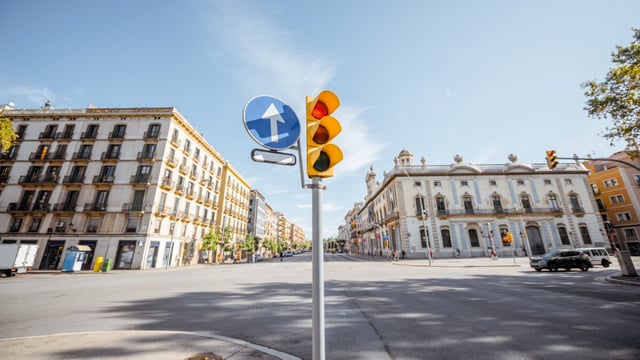
Barcelona has announced a new initiative to deploy AI-driven smart traffic lights, aiming to cut traffic congestion by 20%. The project, part of the city’s 2025 Sustainable Mobility Plan, will use sensors and AI algorithms to adjust traffic light timings in real time based on traffic density.
Developed in partnership with local startups—whose names have yet to be disclosed—the system aims to cut travel times during peak hours and reduce CO2 emissions. This initiative builds on the success of similar AI-driven traffic management solutions in European cities such as Antwerp and Brussels. The rollout will begin with 200 key intersections over the next six months, followed by a testing phase to evaluate its effectiveness.
While the initiative has been welcomed by transport groups, concerns have been raised about data privacy and the potential prioritization of private vehicles over public transport. The project is part of Barcelona’s broader smart city strategy, which includes investments in digital innovation and cultural preservation.
If successful, the system could pave the way for further smart urban management solutions, such as optimized parking and public transport routes. Barcelona’s efforts highlight its commitment to combining technological advancement with sustainability and citizen engagement.