Latest
YesterdayBrașov City Hall Opens €32M Framework Tender For Four Years Of Design Services YesterdayEuropean Commission Allocates €3.8B To 212 Projects Across Innovation Fund And LIFE Programme YesterdayKingston University Leads £3.6M National Waste And Recycling Robotics Adoption Hub YesterdayKorea National Park Service Builds Bandal Lens AI To Identify 17 Mammal Species From 1,300 Cameras YesterdayUK Space Agency Opens £2M Satellite Grant Call For Environmental Intelligence And Emissions Monitoring YesterdayAllstate’s Arity To Acquire INRIX Assets To Merge Driving And Traffic Data YesterdayEZO Secures €150M Senior Debt Facility For 3,000 EV Charge Points In UK And Ireland 19 OctDortmund Installs 92 Sensor-Equipped Big Belly Bins In 14 Parks And Zoo For €367,000 18 OctBarbados Government Explores Urban Hypervisor Platform Modelled On Brazilian System 18 OctPorto-Vecchio To Fit 12,800 Water Meters With Remote Reading In €1M Project
Kurrantly News · Weekly briefingThe week in smart cities and utilities, in one email
Share
Waste · France

Besançon Tests AI to Enhance Waste Sorting Efficiency

Kurrant News Desk · ·1 min read

Grand Besançon Métropole is trialing an AI-powered system to improve recycling accuracy in yellow bins, which are designated for recyclable waste. The initiative, supported by waste management firm SULO Group and technology from LIXO, aims to address persistent sorting errors that increase costs and reduce recycling effectiveness.

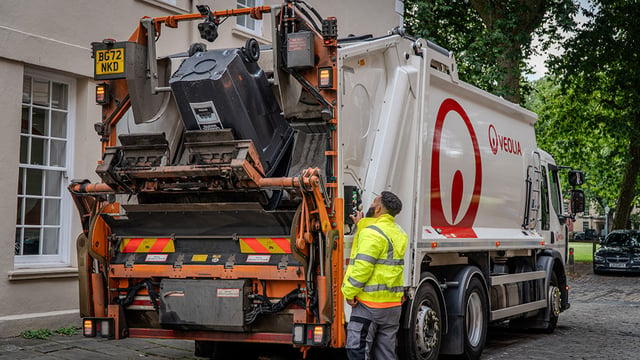
Currently, nearly 30% of waste placed in recycling bins is non-compliant, leading to processing inefficiencies and safety risks, including fires caused by lithium batteries or metals. To tackle this, the city is equipping eight waste collection trucks with cameras, weight sensors, and AI software. The system flags suspicious bins in real time, allowing workers to inspect them before emptying.

The pilot phase will assess the technology’s reliability across 4,000 daily collections. Officials emphasize the approach is educational rather than punitive, aiming to guide residents toward better recycling habits. If successful, the program could be expanded across the region.