in Barcelona
 3 to 5 Nov 2026
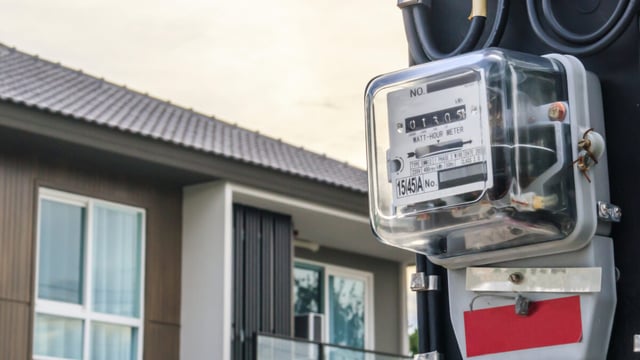
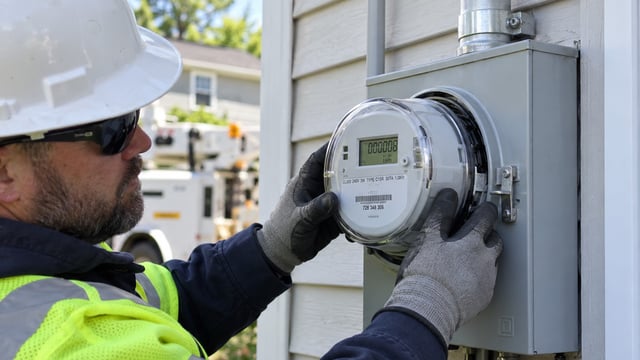
The Sharjah Electricity, Water and Gas Authority (SEWA), the utility serving the emirate of Sharjah in the United Arab Emirates, installed more than 3,200 new electricity meters and replaced 1,600 old mechanical meters with smart devices during the third quarter of 2026, according to figures published by Sharjah24 on 8 November 2026. The work was carried out by SEWA’s Electricity Distribution Department to meet demand from urban and residential development in Sharjah City, and it ran alongside a geographic information system update covering 9,337 projects and 7,459 logistical support services for projects, as reported by TradeArabia from the Emirates News Agency.
The quarterly figure is the latest in a series that SEWA has published at regular intervals since 2025, which makes it possible to measure the pace of the programme rather than only its scale. In its January 2026 report, SEWA stated that it had installed or replaced 21,317 smart electricity meters in Sharjah City during 2025, made up of 13,335 meters for new projects and 7,982 replacements of mechanical units.
Quarterly Pace Is Running Below The 2025 Average
Dividing the 2025 total by four gives an average of 5,329 meters per quarter, which places the third-quarter 2026 figure of more than 3,200 installations about 40 percent below that benchmark. The first half of 2026 was stronger, with SEWA reporting 8,921 meters installed or replaced between January and June, split between 6,641 new smart meters and 2,280 replacements, which averages 1,487 meters per month against roughly 1,067 per month in the third quarter.
The mix has also shifted, because replacements made up 37 percent of the 2025 total and 26 percent of the first-half 2026 total, while the third-quarter release lists 1,600 replacements against more than 3,200 new installations. SEWA presents the two quantities as separate line items, and they are reported here in the same way.
The Installed Base Was Already Large Before 2026
SEWA reported in July 2025 that more than 181,000 meters had been installed or replaced in Sharjah City since the programme began, including 4,000 added since the start of that year. Adding the remaining 17,317 meters of the 2025 total, the 8,921 meters of the first half of 2026 and the more than 3,200 of the third quarter to that base gives a cumulative count of about 210,000 meters in Sharjah City, a sum calculated here from SEWA’s separate releases and not a figure published by the utility.
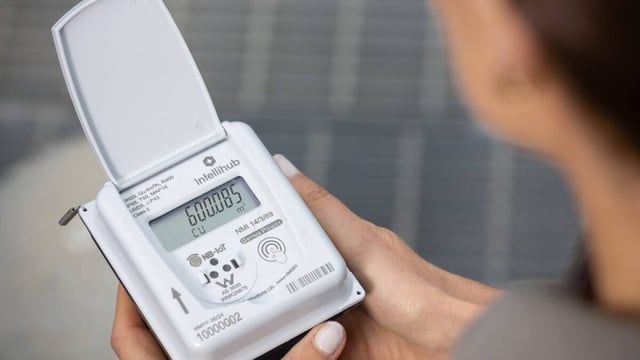
Eng. Ahmed Al Bass, Deputy Director of the Electricity Distribution Department, has described the work in each release as part of a strategy to improve infrastructure efficiency and adopt current technologies. SEWA states that the meters transmit consumption data around the clock, reduce operational errors, speed up billing and allow electrical loads to be monitored so that malfunctions can be detected earlier.
Coverage Is Scheduled Across Customer Classes, Then The Emirate
Replacement follows a set schedule across the residential, commercial and industrial areas of Sharjah City, and the utility says installation will extend to all areas of the emirate once that schedule is complete. The GIS update reported for the third quarter supports that sequencing, since the utility says the data helps with route planning, maintenance and the response of field teams across the 9,337 projects covered.
New-connection demand is the larger driver of volumes in each period, with 13,335 of the 21,317 meters in 2025 and 6,641 of the 8,921 meters in the first half of 2026 going to new projects. A meter count therefore tracks Sharjah’s construction pipeline as much as it tracks the utility’s replacement schedule, and the third-quarter slowdown in new installations may reflect the timing of project handovers rather than a change in the replacement effort.
Electricity Follows The Water Programme
The electricity rollout sits beside a larger water metering programme at the same utility. According to Utilities Middle East, SEWA installed 9,129 new smart water meters and replaced 9,734 existing ones between January and July 2026, tested 39,746 meters in its laboratories, and now counts more than 380,000 smart water meters across the emirate. SEWA says the water meters give more accurate consumption readings and can flag abnormal flows or leaks inside properties.
Earlier Kurrant coverage of the water programme recorded 6,121 new connections and 70,445 replacements for January to July 2025, so the water side has moved from replacement-heavy volumes towards a smaller annual flow as its installed base matures. The electricity programme, with 7,982 replacements in 2025 and 2,280 in the first half of 2026, is at an earlier stage of that curve, which suggests replacement volumes may rise as the schedule moves beyond Sharjah City.
What The Fourth Quarter Has To Deliver
For SEWA to match its 2025 total of 21,317 meters, the fourth quarter of 2026 would need to deliver roughly 9,200 installations and replacements on top of the 8,921 recorded in the first half and the more than 3,200 recorded in the third quarter. That is nearly three times the third-quarter volume, so the annual release SEWA has issued each January, most recently on 27 January 2026, will show whether the programme accelerated to meet the 2025 benchmark or settled at a lower level driven by new-connection demand in Sharjah City.