in Barcelona
 3 to 5 Nov 2026
Munich is deploying six smart poles near key subway stations ahead of Oktoberfest 2025 to close mobile-coverage gaps and boost network capacity. The units are part of an initiative by infrastructure provider 5G Synergiewerk and operator Telefónica (O₂ Deutschland) using CU Phosco’s Connected Urban smart pole design.
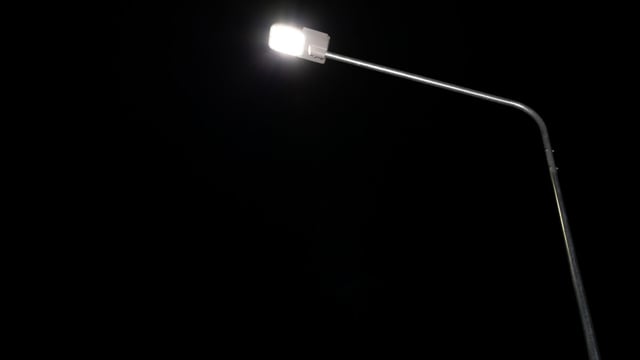
The poles integrate LED lighting with 4G/5G radio equipment and fiber backhaul in a compact structure. The deployment supports Telefónica’s urban densification strategy, particularly in high-traffic event zones. Similar smart-streetlight systems are being installed in Germany’s 25 largest cities as part of a nationwide rollout.
While the exact investment cost of the Munich segment is not publicly disclosed, broader European smart pole projects often entail capital expenditures in the tens to hundreds of thousands of euros per site, depending on configuration and integration.
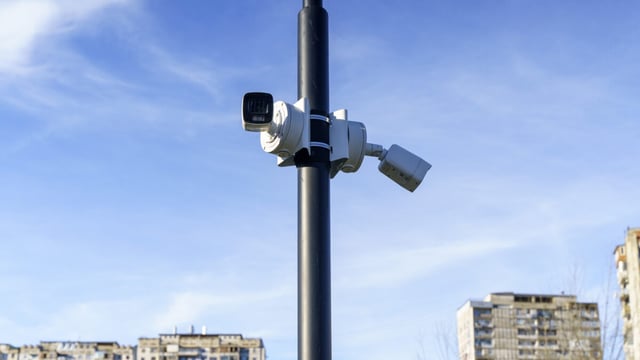
CU Phosco’s modular poles can range up to 20 m in height and support multiple payloads (antennas, sensors, surveillance) within standard street-furniture aesthetics. The Munich installations underline the flexibility of combining lighting and telecom infrastructure in one structure.
The new poles are expected to ease connectivity pressure during Oktoberfest’s high visitor volumes while laying groundwork for longer-term use in transit zones and future events. Similar installations have already been tested in Cologne, Frankfurt and Würzburg with positive results.