in Barcelona
 3 to 5 Nov 2026
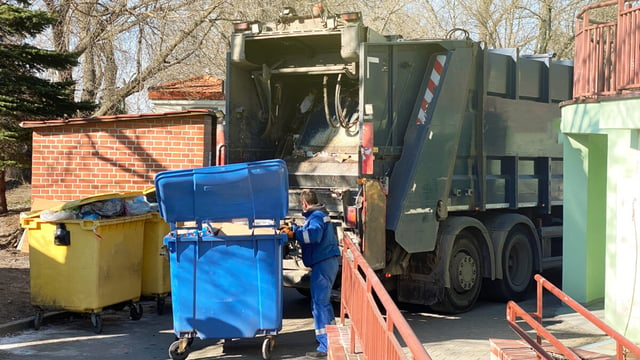
Sortrace AB, a Stockholm-based waste technology company that mounts cameras on refuse collection vehicles to analyse what households put in their bins, has raised approximately $800,000 in a round led by Almi Invest, with participation from Antler, Gorilla Capital and several business angels, according to reports published on 2 November 2026. The company earlier received backing from Antler and a grant from Vinnova, the Swedish innovation agency, and it already counts paying municipalities among its customers.
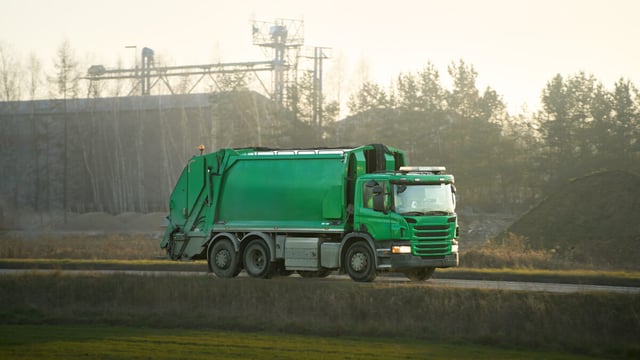
The system uses computer vision on cameras fitted to collection trucks, which photograph the contents of each bin as it is emptied and link the images to bin identifiers and route data. Sortrace converts the images into structured data that flags mis-sorted materials by route and district, and the company says the images are stored within the European Union and that the analysis is privacy-protected.
Municipal Sorting Duties Create the Market
Swedish municipalities carry a growing responsibility for correct household sorting but have limited visibility of what residents actually place in their bins, a gap that Sortrace sells data to close. Municipalities and waste management operators are the two customer groups, and the company positions its output as a way to direct information campaigns at the streets where contamination occurs rather than relying on broad awareness efforts.
Building in this space?
Kurrant Ventures backs start-ups digitalising cities and utilities, and opens doors to the operators that buy from them.
- Latitudo 40
- GoodVision
- Meersens
- Cortexia
Rahel Surshi, CEO and co-founder of Sortrace, said in the funding announcement: “Interest from municipalities is growing fast, and the investment allows us to meet demand.” Tomas Kjellstrand is the company’s other co-founder, and the funds will be used to meet municipal demand and to extend the technology beyond collection vehicles to further stages of the waste chain.
How the $800,000 Round Is Structured
The $800,000 is an early venture round in which Almi Invest took the lead position, Antler, Gorilla Capital and the business angels followed, and Ali Altaie, Investment Manager at Almi Invest, said that Sortrace has built a solution that creates clear value for its customers. The funds are earmarked for meeting municipal demand and for extending the technology beyond collection vehicles to further stages of the waste chain, which would widen the sources of sorting data beyond the point of collection.
Surshi’s case for the product is that municipalities invest in sorting campaigns but cannot tell whether the efforts work without data. The camera installations convert that question into a route-level measurement, so that each campaign can be compared with the contamination recorded on the same route before it began.
Regulation Raises the Value of Contamination Data
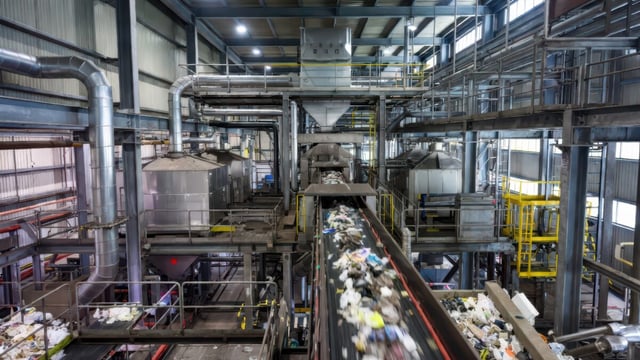
The European Union’s Packaging and Packaging Waste Regulation began applying in August 2026, with tighter recyclability requirements phasing in towards 2030 to 2035, and this timetable gives packaging producers and waste operators a reason to track the quality of the material that reaches sorting plants. A camera record of bin contents by route links the contamination that a plant sees to the district where it originated, and that link is the data product Sortrace sells.
Sortrace says its customers aim to lower waste management costs, reduce the volume sent to incineration and raise recycling rates. Reducing incineration depends on contamination falling in the specific streets that the cameras identify, so the value of each deployment is measured by the change in sorting quality on a route between two collection periods.
The Benchmark for the Next Contracts
The round gives Sortrace the runway to build a record of before-and-after results across its municipal customers, and that record is what a recurring data subscription will be priced against. The decisive evidence will be route-level data showing a measurable fall in mis-sorting after a targeted campaign, measured against the 2030 to 2035 recyclability milestones that the packaging regulation phases in.