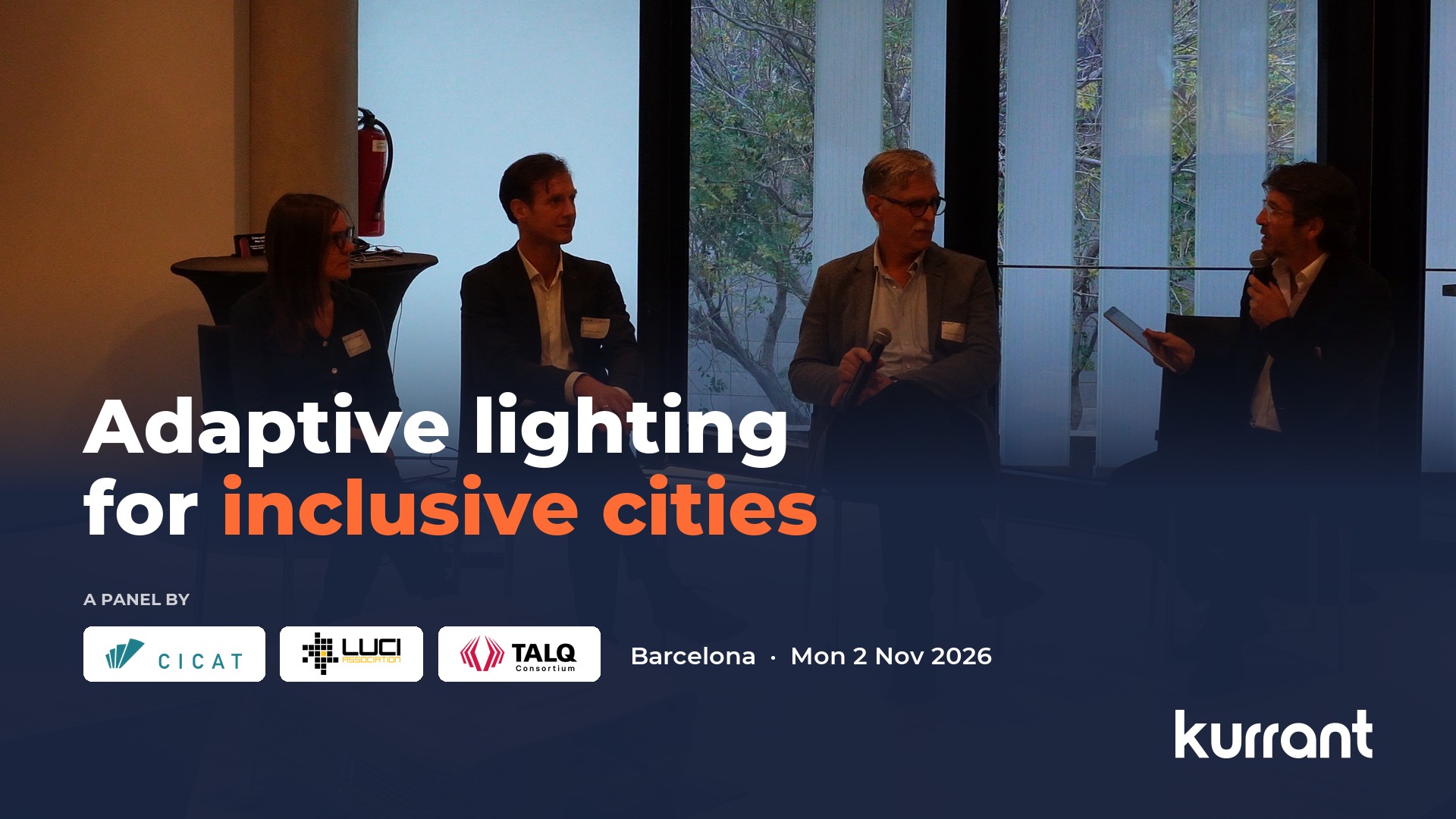
in Barcelona
 3 to 5 Nov 2026
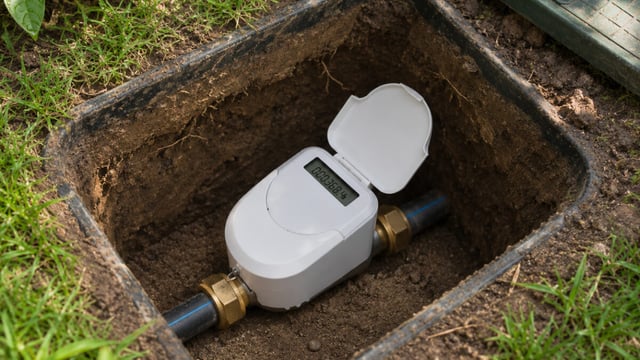
Ofwat, the economic regulator of the water sector in England and Wales, has published a shared framework setting the minimum outcomes that household and business customers should receive from smart water metering, WaterBriefing reported on 25 November 2026. The framework document came out of a cross-sector process that Ofwat led at the Northumbrian Water Innovation Festival 2026.
Why: A Large Rollout With Uneven Customer Experience
Between 2025 and 2030, water companies are set to invest about £1.7 billion in smart meters for homes and businesses, according to WaterBriefing. By 2030, around half of homes and businesses in England are expected to have one, and the meters are expected to save about 450 million litres of water a day.
Each company runs its own programme, with its own apps, alerts and support. The framework aims to standardise the minimum customer experience, while leaving companies free to choose how they deliver it, according to the document as reported by WaterBriefing.
The Five Outcomes
The first outcome covers accessible data and insight. Customers should be able to see timely, understandable smart meter data through inclusive routes, including how current it is, how often it updates and what history is available.
The second covers clear, consistent and trusted information about what the data means, what smart metering can and cannot do, and how customer data is used and shared.
The third covers support to understand and act, with clear ownership of the next step so customers do not have to deal with several organisations.
The fourth covers timely alerts. Customers should be notified when meter data shows continuous flow or unusual use, in time to act, in plain language and with clear next steps.
The fifth covers consistent delivery, accountability and learning, so customers receive the same minimum outcomes wherever and however the service is provided.
Digital access should work on mobile phones, and companies should keep a proportionate non-digital or assisted route for customers who cannot or do not want to use digital services.
Utilities Are Buying At Scale
The largest programmes are now in procurement. As we reported on 7 November, Thames Water tendered its Future Smart Metering Programme in two lots with a total estimated value of £1.584 billion including VAT, running to 2035 and beyond.
What Happens Next
The current investment period for the meter rollout runs to 2030, with companies set to install 10.4 million smart meters in homes and businesses by then, according to WaterBriefing.