 in Barcelona
 3 to 5 Nov 2026
For Fox Insights, a company specializing in remote tank monitoring, data is the new oil, as some of the people says. And that must make sensors the new minds. For Fox Insights, they include pressure sensors, ultrasonic sensors, and more recently, radar sensors. We're actually very much focusing on optimizing supply transactions and based in the majority of the cases today in terms of liquids so like all different kinds of sorts of energy things but also like in recycling in context of glass yeah for us we just tell our partners we do have like a portfolio of different sensor types in In the end, for us, it's independent whether it's an ultrasonic, a pressure, or a radar sensor. But that wasn't always a possibility. Radar sensors were just too expensive. But recently, that's changed, and we've seen radar sensors gain traction in IoT, especially in level monitoring. It uses electromagnetic waves to determine distance. This compares to an ultrasonic sensor, which uses sound-based measurement. Both offer similar accuracy. yet radar is bringing new capabilities to the market if we think about you the British market there are especially in the heating oil or diesel segment there is quite a lot of plastic or fiberglass tanks out there so therefore actually the radar technology is like made for because you can just like put it on to the plastic tank outside and actually measure through the plastic in one case cut its investment costs in half thanks to that easier installation process we see it in our data so it's like a plug -and -play solution 95 of all customers are and are able to install themselves within less than two minutes radar can also spot blind spots in a way that wasn't possible before we are able to actually learn about the tanks so if they are like metal which goes through the tank and we can actually define this as blind spots. So this is something we cannot do with ultrasonic or a sonic measurement. So there's possibilities to actually learn which part of the tank shouldn't be measured. Now Fox Insights estimates that the total addressable market for radar is around 240 million tanks across its region. verticals. But that number won't be fully achieved until the price drops even more. It's like the factor is three to five. So in terms of technology, as soon as the prices are decreasing, I think the number of use cases which make sense on an economic scale will, of course, increase. And this is a trend we're really seeing take shape across the IoT ecosystem. Companies that previously were priced out of radar technology are now beginning to deploy their own solutions i would expect the ultrasound to be to stop and be replaced by radar in two to three years waste vision develops a hardware and software solution to measure underground and above ground waste containers but we started off developing filling level sensors for waste collection systems about seven eight years ago at that time our main focus wasp in the ground waste containers with a depth of about three meters. For that, the technology which was available was ultrasound. So we used ultrasound sensors to measure the filling level of the container. However, we found that those sensors were not very suited for, let's say, the smaller volumes. If we would have a smaller container or we would have even... let's say a bin, a very small container, the dead zone of the ultrasound containers was a problem which is about 10 to 20 centimeters. Well if you have a container of 60 centimeters you lose about 35 percent of your measuring range and we also had problems with the sensors getting contaminated so they were getting dirty. At that time we started looking for new alternatives. we found radar which we also have used in another application and we developed this new technology for us new technology mainly for the smaller volumes and though there where contamination is a problem and for that we use the radar sensor now. It took some time to develop a battery -powered radar solution and interestingly, it costs 50% less than the old- ultrasonic solution. At the moment those sensors sell for about between 100 and 150 euros including our margin and before we had to charge let's say at least double. The biggest challenge is that radar can't see as far as ultrasonic. Well we are testing the possibility to increase the measuring range. But as you know, measuring inside. a waste bin is not that easy. A lot of the signal is absorbed by the material. If we would just detect a wall, we could measure seven meters with the radar. So it is a combination between technology, but also the material you are trying to detect. Which is why WasteVision continues to deploy both ultrasonic and radar. So we did lots of pilots in the last, well, let's say, six to nine months. The biggest client at the moment is the city of Antwerp in Belgium, who has equipped a little bit more than 1 ,000 units with this radar system and they have ordered in total 4,000. New technology needs about one year before it's adopted and people accept it. because it's not only new technology it's a new application nobody has been able to to have an affordable reliable sensor in a litter bin um and and and sell that or charge only a few euros per month for it it's nice to have the technology but if nobody can afford it uh or if the business case doesn't doesn't uh show that you will earn some money um it doesn't it doesn't work now while these two vendors are very different and completely different verticals. It's interesting that both are getting started with radar around the same time and it'll be interesting to see what happens next. So be sure to stick with Current Insights for more coverage like this. If you have a question or comment on this story, hit the button below.
Radar Sensors Gain Traction in IoT
In this video
-
 Til Landwehrmann
Founder & CEO, FoxInsights
-
 Tim Blomer
Waste Vision
About this video
This video examines the emerging use of affordable radar sensors in smart city applications, particularly in the context of level monitoring. It highlights how these sensors are expanding the capabilities of smart city vendors by offering resilience to various weather conditions and the ability to penetrate bulk solids. This technology enables the collection of data that was previously inaccessible, marking a significant advancement in the field of urban monitoring.
Central to the discussion is a comparison between radar sensors and traditional sensing methods, such as ultrasonic sensors. The video provides an in-depth analysis of how radar sensors perform against these conventional technologies, considering factors like accuracy, reliability, and suitability for different environmental conditions. This comparison is crucial for understanding the technological evolution in smart city infrastructure and the potential benefits and drawbacks of each method.
Contributing to the conversation are Til Landwehrmann from FoxInsights and Tim Blomer from Wastevision, who share their experiences and early findings with the application of radar sensors. Their insights offer a practical perspective on the implementation of these sensors in real-world scenarios. The video explores specific use cases, challenges faced, and the overall effectiveness of radar sensors in the context of urban level monitoring.
This content is particularly valuable for professionals in urban planning, smart city development, and environmental monitoring. It provides an informed perspective on the latest technological trends in sensor technology and their practical implications in urban settings. Viewers interested in the technological advancements in smart cities and those evaluating different sensor technologies for urban applications will find the discussion enlightening. The video aims to inform and guide decision-making processes in the adoption of new sensor technologies for smart city development, offering both technical insights and real-world applications.
Read the transcript machine-generated
More in Waste
See all 7:30
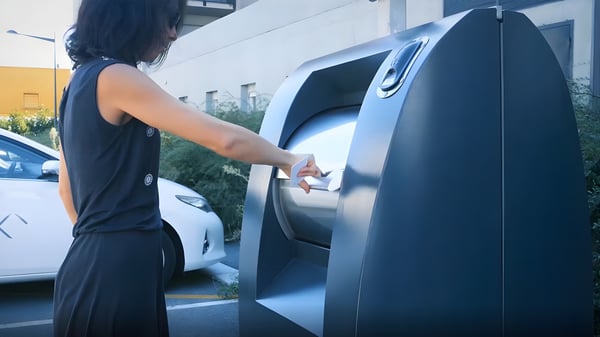
Facing Mandatory Residential Biowaste Separation with Smart Solutions
 7:23
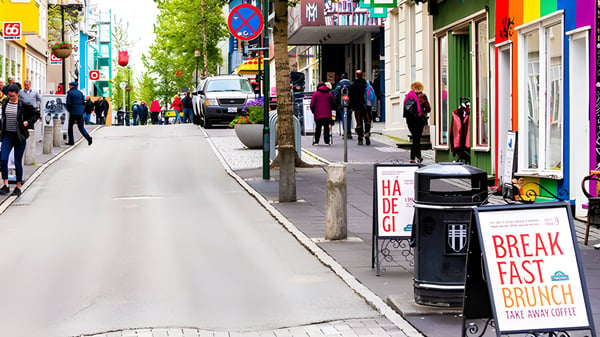
How Reykjavik Optimizes Litter Bin Waste Collection, Location
 6:51
IFAT ’22: Circular Economy Shines Light on Smart Waste
 2:08
Mark Dancy on the effectiveness of a pay-as-you-throw program
 8:06
Can Pay-As-You-Throw with Access Control Reduce Waste?
 6:12
U.S. Cities Invest in Underground Waste Solutions
Latest news in waste
All news- Seoul’s Eunpyeong District Pilots Photo-Based Bulky Waste App Across 220,000 Annual Requests22 Oct 2026
- Kingston University Leads £3.6M National Waste And Recycling Robotics Adoption Hub20 Oct 2026
- Dortmund Installs 92 Sensor-Equipped Big Belly Bins In 14 Parks And Zoo For €367,00019 Oct 2026
- Iraq’s National Investment Commission Announces Smart Waste Collection Scheme For Karbala8 Oct 2026
Kurrant advisory
Planning a waste project? Talk to Kurrant.
Behind these interviews is Kurrant's advisory team, working with utilities, cities and the companies that serve them.
- Strategy AdvisoryKurrant is actively involved in resolving the challenges that cities, utilities and industry players are facing.
- M&A AdvisorySmart city and utility expertise for successful deals, turning insights into strategic gains.
- Engineering & ProcurementBetter engineering and procurement decisions, by identifying and developing digital and IoT solutions across use cases.
Or write to us: contact@kurrant.com
Send us a message