How Oxford Is Turning Canal Pollution Into a Smart City Opportunity
View transcript auto-generated
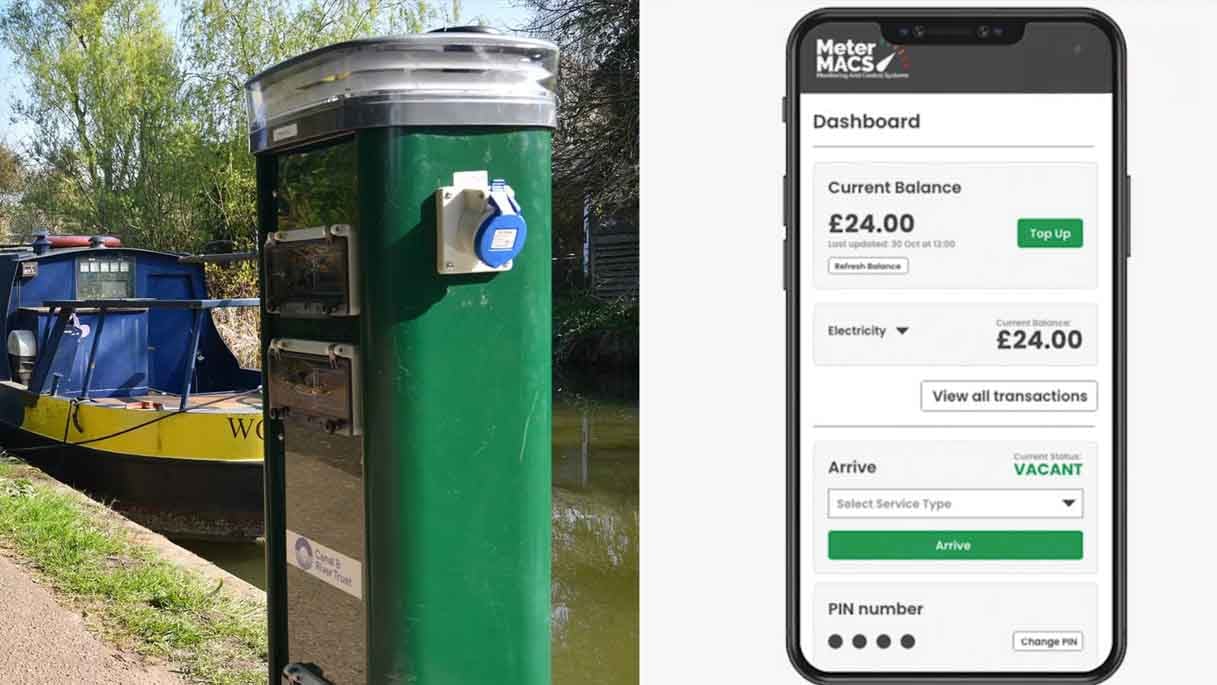
There are more than 2000 miles of navigable, connected canals in England and Wales, canals that serve as leisure spaces, but also as permanent and semi-permanent homes to some. But behind the idyllic scenery of canals, pollution from boats has become a real issue. Most canal boats rely on diesel generators for electricity, and some rely on wood and coal burners for heating, leading to high levels of nitrogen dioxide and PM 2.5 on the canals and the surrounding areas. The City of Oxford has felt this impact too. We got a bunch of sort of air quality complaints around this. And actually, we don't want to just bring in legislation that's just like, stop doing this x, y, z. Without there actually being like decent options for people to actually use. They're not just using wood burning stoves just because they like it. There's actually very few options there. Between 15,000 and 20,000 people live on canals across England and Wales, with some choosing boat life because of the high cost of living. So affordability and practicality, matter. In response to the complaints, Oxford City Council, together with the Canal and River Trust, installed three electric charging bollards, each with two sockets, allowing six boats to plug in at once. The bollards are located at Aristotle Lane, close to an existing electrical substation, which meant the project could be installed with minimal infrastructure changes. The project opens the door to e-boats, however, the main goal is to stop the use of wood and coal burners. To use the bollards, users just have to have a MeterMacs account, which is a remote metering and payment system used on UK waterways, which tracks usage in real time and allows remote monitoring and management, among other aspects like payment. We will be keeping an eye on these, seeing how they're being used, seeing how much they're being used, what the sort of response has been like. But it would be really good to essentially be able to roll these out down the canal. So residential boats could hook up as well actually. I think that has to be the sort of the vision for the future really. It may be a small project today, but it could mark the beginning of a new trend across the UK. Oxford is following London's lead by installing electric bollards along its canals. These projects can help curb pollution, but it can also do more. With proper charging infrastructure, we could see a real push towards electric boats and the bollards can become valuable data hubs. They offer insights into how canals are used, how many boats pass through, how long they stay and when demand peaks. That kind of information helps cities plan smarter, better facilities, better waste collection, and better management of tourism and mooring pressure. The UK's canals are hugely popular for leisure and travel and understanding their patterns is essential to keeping them enjoyable for everyone. And in the future, these bollards could serve as anchor points for even more smart city tools like sensors or smart cameras, helping cities manage their waterways. So while Oxford's installation is small, it could be the first step towards smarter, cleaner, better managed canals across the country.




📰 Latest News

🎬 Kurrant Originals



🎥 Recent Event Coverage



🎯 Featured Case Studies
Real client work behind the news — strategy, M&A and engineering projects we've delivered for cities and utilities.


Stay in the Loop
Get smart cities and utilities insights delivered your way. Choose your channel
Join our WhatsApp Channel