Miami-Dade County Turns to Smart Solutions, AI to Improve Recycling
The US Miami-Dade County is looking to reduce contamination in its recycling stream and improve waste sorting rates. To do that, the county’s Department of Solid Waste Management is deploying smart technology across multiple stages of the waste system.
In this video, we speak with Aneisha Daniel, Director of the Miami-Dade Department of Solid Waste Management, and Mikey Pasciuto, Chief Sustainability Officer at Scrapp, about how the county is using vision AI and digital engagement tools to reduce landfill dependence and move closer toward its zero-waste goals.
View transcript auto-generated
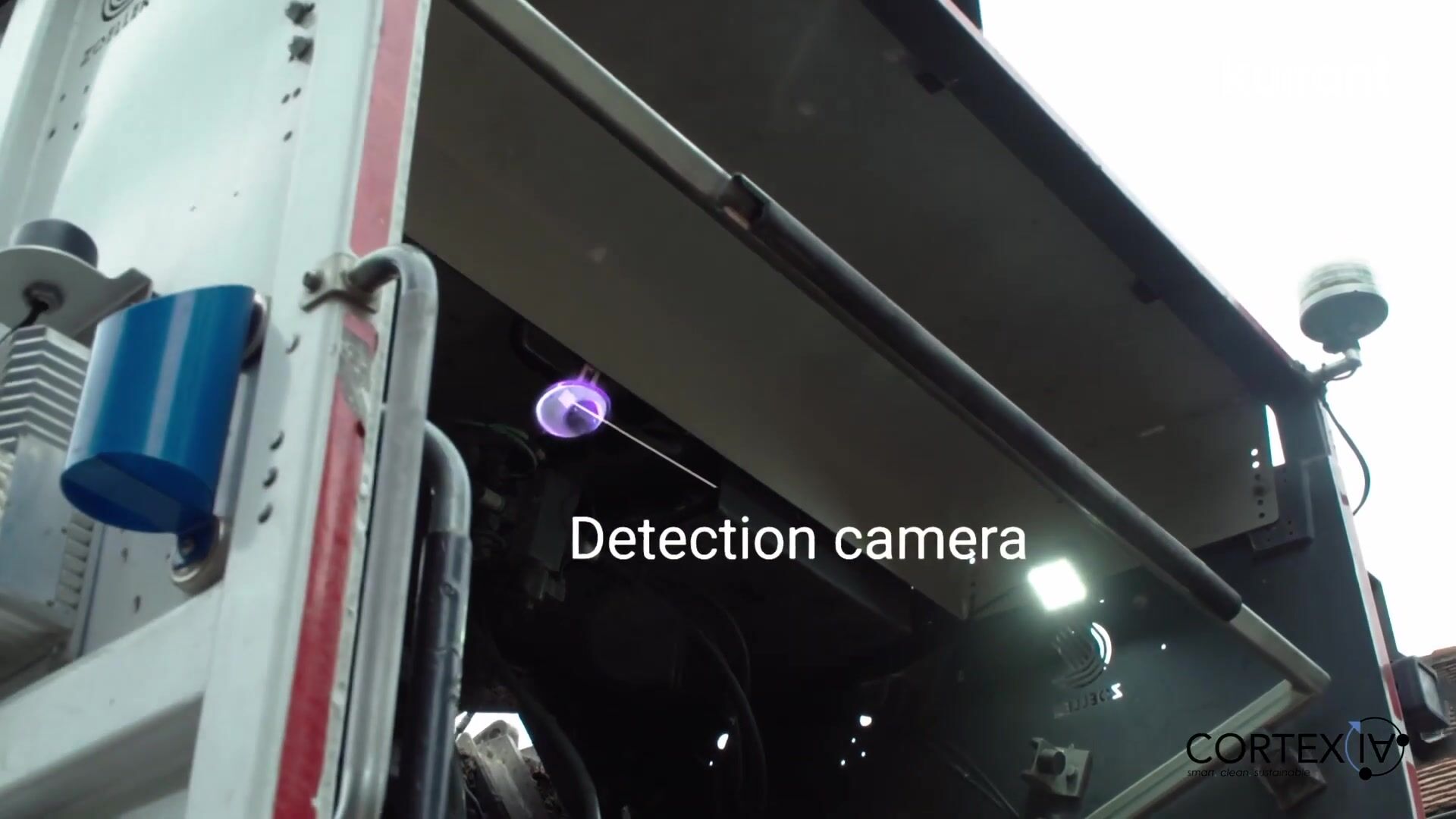
Over 340,000 households. That’s how many households the Miami-Dade County’s Department of Solid Waste Management serves. Homes that generate millions of tons of waste every year, recycling only 37% of it, a number well below the national 50% average and far from Florida’s goal of 75%. Their main challenge? A contamination rate of approximately 39%, which undermines the effectiveness of recycling programs and increases dependence on landfills. Many of our residents do what we call wish recycling. And so they particularly just don't understand or know the appropriate ways to recycle. So they just don't know what is or is not recyclable. To address the issue, Miami-Dade’s solid waste department has turned to smart tech installed across different stages of the waste stream. At the recycling point, the collection level and waste plant. At the processing level, one of the county’s waste partners, Waste Management, recently opened a Materials Recovery Facility, or MRF, where 18 vision AI cameras are used to process residential recyclables, gathering data, automating sorting and identifying recyclables more accurately. At the collection level, Miami- Dade has been piloting AI-enabled cameras mounted on waste trucks. These, scan the content of waste bins as they’re collected, identifying contaminants like liquids, food-soiled cardboard, hazardous items, or non-recyclable materials. When contamination is detected, the county can notify residents directly and use the data to better target education campaigns. Through being able to have the cameras in the trucks and having that artificial intelligence data has helped us in how we educate. It's helped us in how we outreach because we can pinpoint where the highest levels of contamination are. But county officials say education and enforcement alone weren't enough, so the county decided to bring residents directly into the smart waste game. Rather than correcting the issue, the county is looking to avoid it from the start. That's where residents and the Scrapp app come in. So we have three core features, well four, realistically. One is bin day reminders. Another feature we have is the barcode scanning feature where you can scan the barcode on the item and it tells you how to recycle the packaging and the contents all in one go. As well as the search feature, which functions very similar to the scan feature. But you can actually just search an item by name or like a more generic item like plastic bottle, clothes hanger, kiddy pool, or anything like that, or glass bottle like you can search by that way. And then lastly there's the maps feature, which actually lists all of the drop off points for recycling points in your local area. The pilot was sourced and funded through the Miami-Dade Innovation Authority, which allocated a budget of $100,000 for the SaaS app and two other waste projects. The tool was launched on March 18th, and in the first month, the county saw 400 downloads of the app, with over 1200 items scanned. According to Scrapp, in previous projects, app users’ contamination rate went down between 81 and 93%. All of these efforts help us to move towards our zero waste efforts. And so the department is doing many things. We're actually working on a zero waste master plan, and working towards how we can divert more of the waste from our landfill. Smart waste tech that improves recycling rates can lead to significant ROI. From selling more recycling commodities to avoiding landfill fees, as well as reducing costly landfill expansion. Then there's the environmental pros of recycling, of course. But recycling requires a high resident participation. Miami-Dade is part of a broader shift happening in cities across North America and Europe, where governments are increasingly turning to AI powered sorting systems, mobile apps and sensor enabled collection technology to improve recycling rates and reduce contamination. In Miami-Dade, leaders hope smarter waste systems can help recover more valuable materials, reduce landfill dependence, and move one of the nation's largest counties closer to a circular economy.



📰 Latest News


🎬 Kurrant Originals

🎥 Recent Event Coverage


🎯 Featured Case Studies
Real client work behind the news — strategy, M&A and engineering projects we've delivered for cities and utilities.


Stay in the Loop
Get smart cities and utilities insights delivered your way. Choose your channel
Join our WhatsApp Channel