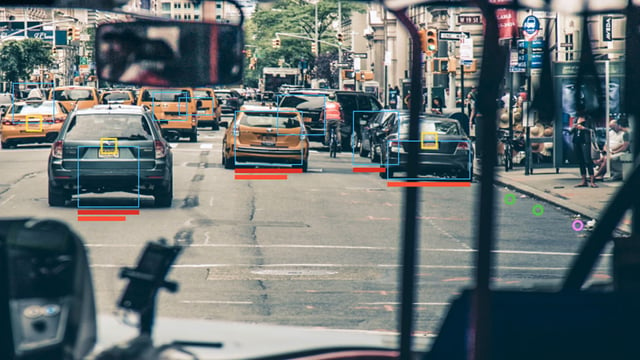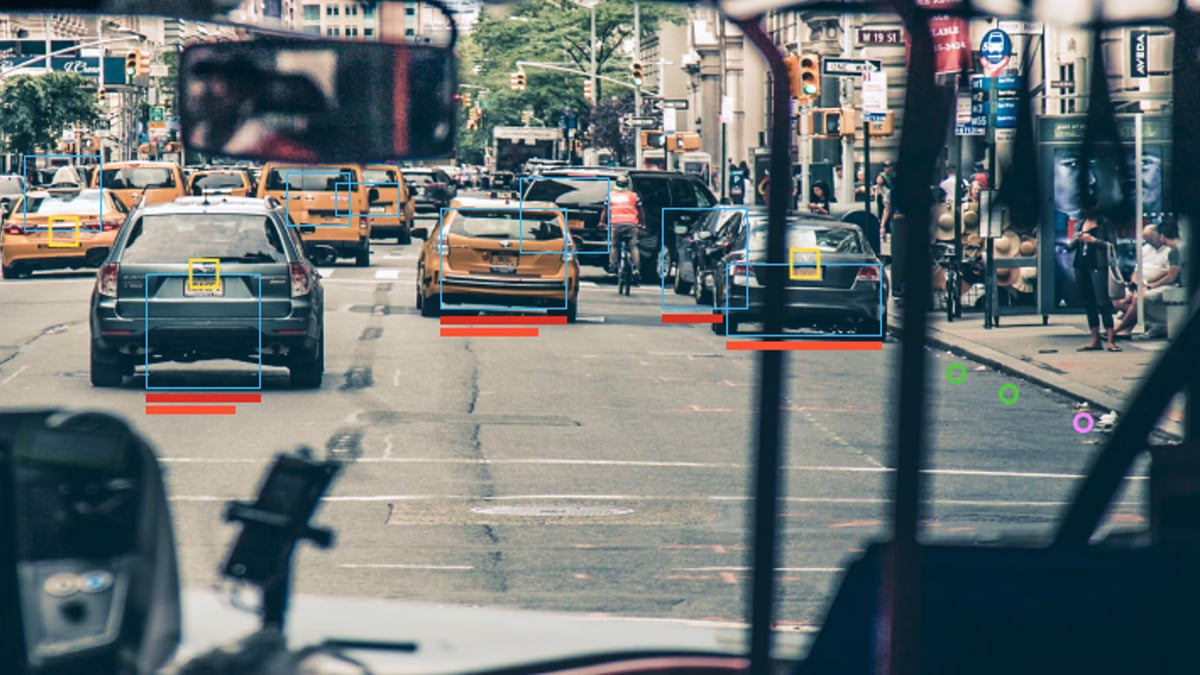
The Los Angeles Department of Transportation (LADOT) plans to mount automated enforcement cameras on its DASH shuttle fleet. The cameras will cite drivers who park in bus-only lanes or block bus stops. Installation on the first 30 buses could begin as early as November 2026, pending final City Council approval.
The move extends a camera program already running on LA Metro buses to the city’s own transit service. Offenders face a $293 citation per violation.
A 60-Day Pilot Logged Roughly Four Violations Per Hour
LADOT ran a 60-day trial on two downtown DASH routes with Hayden AI, the same vendor that supplies LA Metro. According to an LADOT memo reported by Streetsblog Los Angeles, the pilot flagged more than 3,400 potential violations, or about four per operating hour.
The department found that cars parked at stops often prevented buses from reaching the curb. Drivers were forced to board and unload passengers in the traffic lane or at an angle, which slowed service and created safety risks for riders.
Phased Rollout Across Downtown and Four Neighborhoods
The first phase covers 20 buses serving downtown and 10 serving Pico Union. A second phase adds 20 more DASH buses on routes in Crenshaw, Panorama City/Van Nuys, Watts and Wilshire Center/Koreatown, bringing the total to 50 vehicles.
The program cleared the City Council Transportation Committee in mid-September. It now moves to the Budget and Finance Committee before a full council vote.
California law requires a public outreach campaign and a 60-day warning period before any paid citations are issued. LADOT expects both the DASH cameras and the city’s separate fixed speed camera program to start issuing warnings around the end of 2026.
Metro’s Program Provides the Business Case
LADOT and LA Metro have run automated bus lane enforcement (ABLE) on Metro buses since February 2025. Corridors include Wilshire Boulevard, La Brea Avenue, 6th Street, Grand Avenue and Olive Street.
In fiscal year 2025-26, bus-mounted cameras generated about 146,000 citations worth $42.8 million, according to figures reported by The Basin. That equals roughly a quarter of all parking fines issued by the city. Calendar year 2025 revenue reached about $20 million, which Metro and the city split 75/25 after program costs, according to an earlier Streetsblog report.
LADOT says the program has improved bus speeds and on-time performance. Citations fell 33 percent after the first year, which the department reads as evidence that driver behavior is changing.
Metro awarded Hayden AI a contract worth up to $10.5 million in late 2023, according to the Metro Board report. It currently has about 100 camera-equipped buses and plans to equip roughly 300 more.
State Authorization Deadline Looms
The legal basis for these programs is time-limited. California’s current authorization for bus lane camera enforcement expires on January 1, 2027.
Assembly Bill 1837 would extend the authority and add data deletion and reporting requirements. As of mid-September the bill was still awaiting action, so the future of the DASH rollout depends partly on Sacramento.
Hayden AI’s Expanding Transit Footprint
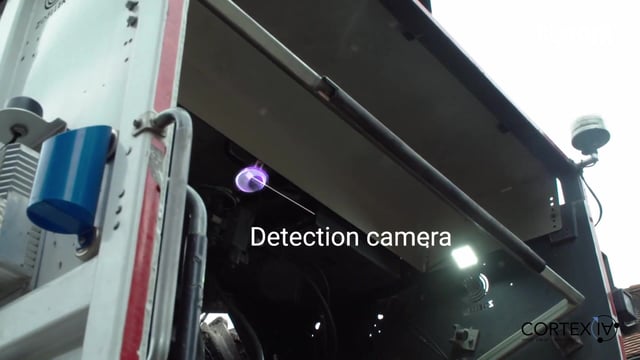
Hayden AI’s systems use edge processing on the bus to detect violations, with evidence reviewed by a human before a ticket is issued. The company reported more than 2,000 installations globally in September 2025, with deployments in New York City, Washington DC, Oakland, Sacramento and Philadelphia.
The vendor is also testing the approach in Europe. Kurrantly News previously covered Barcelona’s pilot of Hayden AI cameras on four TMB buses.