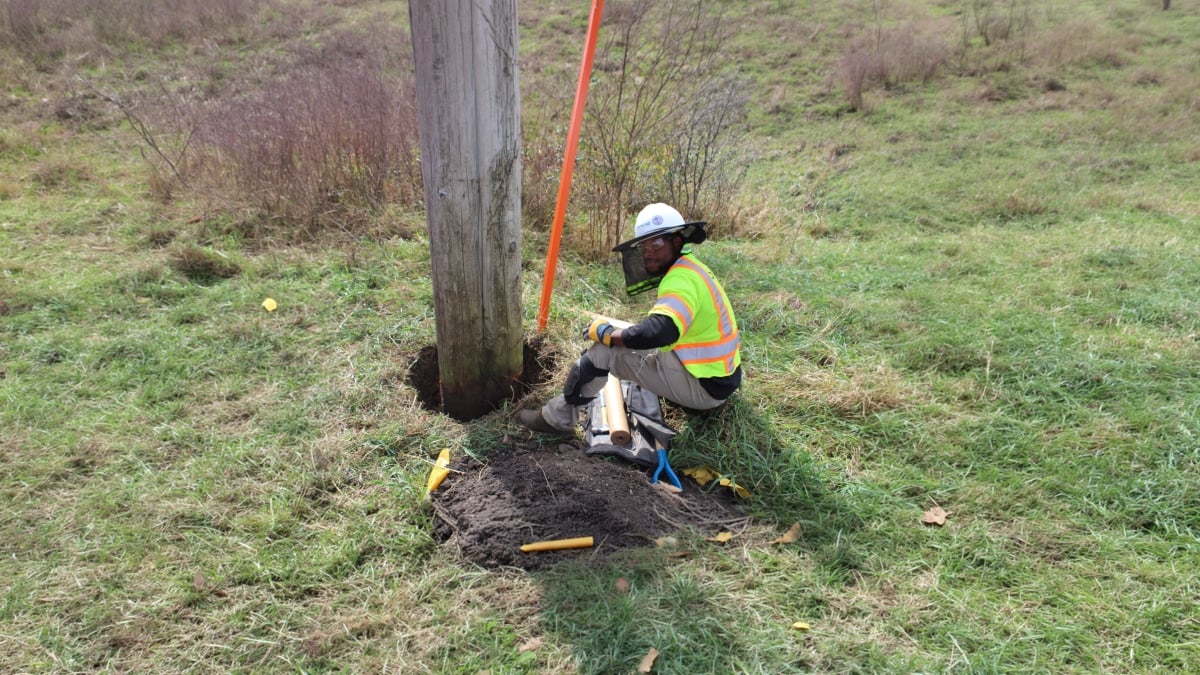
Osmose Utilities Services Inc., the Atlanta, Georgia-based utility infrastructure contractor owned by EQT Infrastructure, announced on 23 September 2026 that it has acquired the assets of the Utility Services division of Alamon Inc., an employee-owned network services company headquartered in Kalispell, Montana, the Flathead County seat with a 2020 census population of 24,558. The deal transfers a team of non-destructive wood pole assessment specialists and the cloud-based Alatrac field data platform to Osmose, and financial terms were not disclosed in the Business Wire announcement.
The transaction is a carve-out rather than a company purchase. Alamon keeps its telecom-facing operations, including broadband deployment and wireless services, while the pole inspection crews and their software move to a buyer whose core business since 1934 has been inspecting and restoring wooden transmission and distribution structures.
A Carve-Out Built Around Inspection Volume And Field Data
According to the Alatrac product site, the platform was developed over nearly 20 years of use across millions of utility pole inspections, and Alamon’s utility division states that it conducts more than 500,000 inspections a year, a vendor-supplied figure that has not been independently audited.
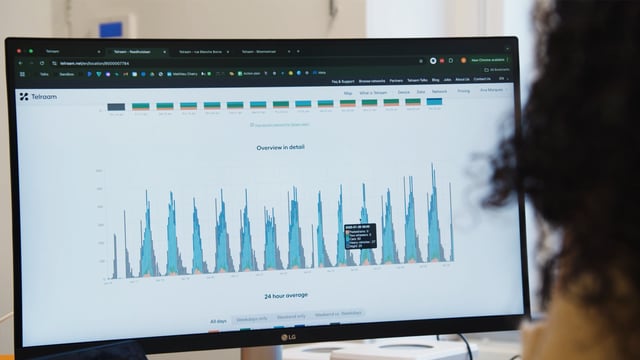
The software handles field data collection and regulatory inspection reporting. It uses geographic information system (GIS) validation to check in near real time that each recorded task took place at the right pole and time, which matters for utilities that must prove inspection compliance to state regulators.
Crews can record data without cellular coverage, with uploads syncing once a connection returns. According to Alatrac’s own description, the platform also applies machine-learning anomaly detection to flag suspect records before they reach the utility’s asset register.
The Osmose release frames the deal as a way to connect physical condition assessment with software that helps utilities organise and interpret infrastructure data across a service territory, so that maintenance and capital decisions rest on measured pole condition rather than age-based replacement schedules.
“We’re pleased to welcome this team to Osmose. By combining their innovative software and capabilities with our technical expertise and industry experience, we can deliver even greater value to utilities through even more data-driven insights and solutions that will help our customers address aging infrastructure and evolving network demands,” said Mike Adams, CEO of Osmose, in the company’s September 2026 press release.
Osmose Has Doubled In Size Under EQT Ownership
EQT Infrastructure acquired Osmose from Kohlberg & Company in January 2019, when the business was headquartered in Peachtree City, Georgia, and employed 3,258 people, 2,613 of them in the field, with an average relationship length of about 40 years among its top 50 customers.
The September 2026 release puts headcount at more than 7,000 across seven listed markets, from Canada to New Zealand. The workforce has therefore more than doubled in roughly seven and a half years of private equity ownership, a pace consistent with a buy-and-build strategy rather than organic hiring alone.
The Alamon asset purchase follows the October 2025 acquisition of Centillion Solutions, a fiber optic engineering and geospatial services firm with a design operations centre in India, which extended Osmose further into telecom network engineering.
Where Centillion added telecom design capacity, the Alamon deal reinforces the original wood pole franchise. It gives Osmose both the inspection labour and the system of record in which the resulting data is stored.
Why Pole Condition Data Carries More Weight Than It Did
A September 2024 guide prepared by Lawrence Berkeley National Laboratory for the U.S. Department of Energy’s Grid Deployment Office estimates that roughly 130 million of the approximately 180 million utility poles in the United States are wooden, with average service lives generally estimated at 30 to 50 years.
The North American Wood Pole Council puts the continental wood pole population at about 150 million and says utilities typically inspect poles every eight to 10 years, while arguing that a properly maintained line can remain in service for 70 years or more, a gap between depreciation schedules and physical life that condition data is meant to close.
California codifies the cycle: California Public Utilities Commission General Order 165 requires intrusive inspection of wood poles older than 15 years on a 10-year interval, stretching to 20 years for poles that have already passed one, with patrol inspections every year in urban areas and every two years in rural ones.
Wildfire liability has raised the stakes of getting those records right, since a pole that fails in high fire-risk terrain can ignite vegetation, and the DOE guide notes that Southern California Edison’s 2020 to 2022 wildfire mitigation plan replaced critical wood poles with composite or lightweight steel structures to improve fire resistance.
The DOE guide cites a standard cost of under $1,000 for a 40-foot wooden distribution pole. That figure excludes labour, traffic control and outage coordination, which typically make replacement far more expensive than remedial treatment or reinforcement of a pole that still has usable strength.
Software Is Becoming The Contested Layer In Asset Inspection
Osmose is not the only company trying to own the data layer that sits above field inspection, and Kurrantly has covered how PG&E signed a five-year agreement with Sharper Shape to build a digital model of its network from LiDAR and RGB imagery for wildfire risk modelling and predictive maintenance.
That approach starts from aerial and remote sensing data, whereas Alatrac starts from ground-level inspection records, including the sounding, boring and decay measurements that remote imagery cannot capture below the groundline where most wood pole decay begins.
Utilities that already run separate GIS and enterprise asset management platforms will want to know how Alatrac integrates with them. Neither company has published details on interfaces, data ownership terms or support for existing Alamon software customers.
The release gives no figure for the number of Alamon staff transferring, the number of utility customers or poles under contract, or Alatrac’s annual revenue, so the deal’s scale can only be inferred from the 500,000 annual inspections Alatrac itself cites.