in Barcelona
 3 to 5 Nov 2026
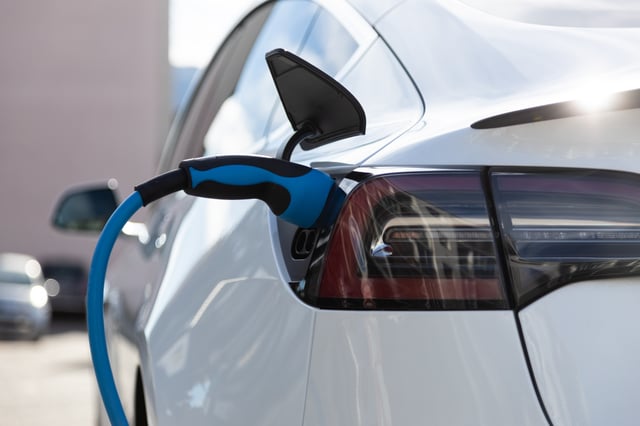
SYDEEL66, the departmental electricity and energy syndicate for the Pays Catalan, has awarded Bouygues Energies & Services a contract to deploy 306 new electric-vehicle charging points (7–180 kW) across 28 communes in the Pyrénées-Orientales by the end of 2026.
Strategic Context and Purpose
Since 2016, the Pyrénées-Orientales region has relied on the public charging network Révéo, jointly managed by ten energy syndicates in Occitanie under the coordination of SYDEEL66. The new deployment, under the brand name AQUÍ (meaning “here” in Spanish), aims to densify coverage, particularly in zones of growing demand: urban areas, coastal/tourist sites and transit corridors.
According to the SYDEEL66, the expansion supports both ecological transition and territorial attractiveness, combining public-service goals with tourism and mobility planning.
Deployment Details & Technical Scope
-
The 306 charging points will be installed in 28 communes belonging to the Métropole de Perpignan as well as other areas across the department.
-
Installed power will range from 7 kW (slow/standard) up to 180 kW (fast / ultra-fast).
-
Among them, 116 will be “ultra-fast” chargers, suited to rapid top-ups, a key for transit and tourist traffic.
-
Around half of the network (≈ 150 charging points) are planned to be operational by summer 2026.
-
The first wave targets major corridors and tourist axes: around Perpignan, along the Côte Vermeille (e.g. in coastal towns), and in valleys such as the Tech, the Têt and the Agly.
Implementation & Operations Model
Bouygues Energies & Services will handle installation, operation and maintenance of the AQUÍ network for a 15-year duration. The rollout will rely on the operator’s “Alizé” charging-management solution, already deployed nationwide and supporting over 20,000 chargers. The system includes user-facing tools such as a dedicated app and charging badge.
According to Bouygues, the Alizé network currently logs about 2.4 million charging sessions per year, indicative of scalability and experience in large-scale deployments.
Implications for the Region & Broader Market Context
With the new AQUÍ deployment, the total number of public charging points in Pyrénées-Orientales will exceed 500 by end-2026. This strengthens regional infrastructure just as France’s national public-charging network continues to expand: as of May 2025, the country counted about 2.5 million EV charging points (public and private), including over 168,000 accessible to the public.
For mobility professionals, local authorities and urban planners, AQUÍ represents a strategic densification of charging capacity, particularly important in coastal and rural zones that often suffer from under-coverage. It offers a blueprint for combining public-service goals, tourism mobility and private-sector deployment under long-term concession.
It also aligns with national efforts to accelerate EV adoption by ensuring geographical coverage beyond dense urban centres, bridging gaps between home charging and long-distance travel.
What Remains to Clarify
-
The exact commune-by-commune deployment schedule has not been made public yet.
-
The mix between AC vs DC chargers, and the number of simultaneous charging stalls per station, is not specified.