in Barcelona
 3 to 5 Nov 2026
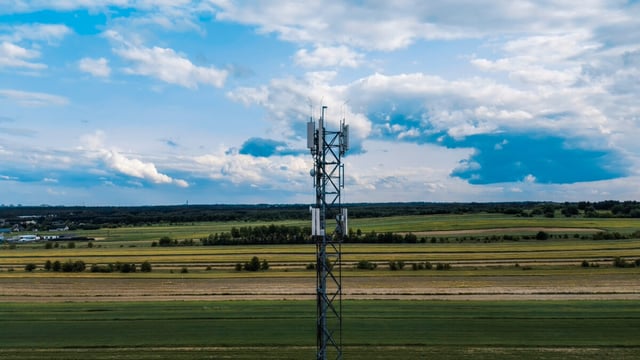
The competitive metering point operator inexogy smart metering GmbH & Co. KG of Saarlouis, Saarland, is installing smart metering systems at 712 radio sites belonging to 450connect GmbH, the Cologne-based operator of Germany’s 450 MHz mobile network for critical infrastructure. The gateways will be connected over that same LTE450 network, and all installations are scheduled for completion by 31 January 2027, according to details reported by pv magazine on 10 November 2026.
The two companies describe the deployment as a live test of certified smart meter gateways on the 450 MHz band, measuring the stability and availability of the data connection at metering points that 450connect itself operates.
Why A Network Operator Is Metering Its Own Masts
Most smart meter gateways in Germany send readings to metering point operators over commercial mobile bands at 800 MHz and above. Those bands can struggle to reach meters in basements, plant rooms or sparsely populated areas, where utilities otherwise fall back on signal amplifiers or retrofitted LAN connections.
The lower 450 MHz frequency offers better building penetration and longer range per site, which is why the band was reserved for energy and water utilities rather than consumer traffic. The 712 radio sites give 450connect a fleet of its own metering points on which to observe that behaviour directly.
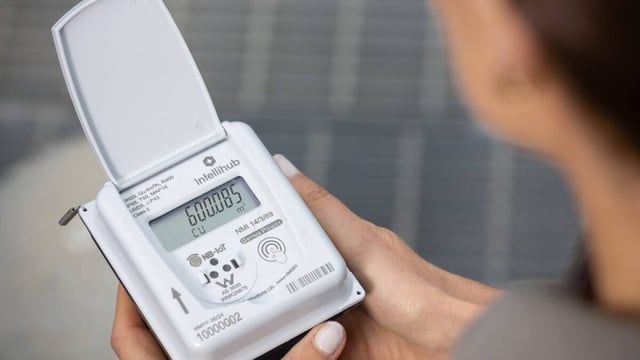
Under the arrangement, 450connect SIM cards are built directly into the gateways. The resulting intelligent metering systems are then integrated into 450connect’s network management system, so the operator can monitor the radio link and the metering endpoint from one environment.
A Partnership That Began With Pilots In August 2025
The project extends a cooperation that inexogy and 450connect launched in August 2025. Inexogy’s press release at the time announced initial pilot projects and set the fourth quarter of 2025 as the start of nationwide installations over the 450 MHz network.
Inexogy said then that its gateway hardware platform runs devices from Theben, PPC and EMH Metering. All three manufacturers now have LTE450 models on 450connect’s certified device whitelist, according to the operator’s November 2025 customer newsletter, which lists the PPC LTE450, the Theben Conexa 3.0 and the EMH CASA 1.1 LTE 450 plus.
The same newsletter states that more than 10,000 smart meter gateways were already active on the 450 MHz network at that point. It also says around 80% of German gateway administrators were 450connect customers, figures that are company-supplied and unaudited.
“By equipping 712 radio sites, we are showing how the expertise of a competitive metering point operator and the advantages of a specialised communications infrastructure can be combined,” said Nikolas Koch, Head of Gateway Administration (GWA) and Smart Metering Infrastructure at inexogy, in a statement published by pv magazine on 10 November 2026.
Inexogy’s Position After The Techem Deal
Inexogy, which previously traded as Discovergy, competes with the default metering operators that grid companies appoint in each area. It contracts directly with customers such as housing companies and energy suppliers.
In September 2025 Techem took a majority stake in inexogy. The two companies set out a five-year growth plan that commits €320 million to installing and operating smart metering systems, with the aim of using data from 1.5 million such systems.
Trade publication ZfK reported at the time that inexogy operated more than 100,000 metering points and had delivered over 1,000 tenant electricity projects. Against that base, the 712 radio sites are a small but technically distinct addition.
How 450connect Built A Nationwide LTE450 Grid For Utilities
The Bundesnetzagentur awarded the 450 MHz frequencies to 450connect on 9 March 2021, after deciding in November 2020 that the spectrum should primarily serve critical infrastructure in the energy and water sectors. The Bundeskartellamt had cleared the joint venture of Alliander, E.ON, a consortium of regional energy suppliers and the Versorgerallianz 450 MHz in February 2021.
According to industry association BDEW, the licence runs until 2040 and roughly 1,600 radio masts are needed to cover Germany. Every site carries 72 hours of emergency power so the network can keep operating through extended blackouts, and Nokia was selected in 2022 to supply the LTE450 network technology.
Inexogy’s August 2025 release put 450connect’s shareholder base at more than 70 energy and water utilities. That structure ties the network’s commercial success to the same distribution system operators and municipal utilities that carry most of Germany’s mandatory rollout.
Network construction accelerated through 2025. 450connect reported that its 1,000th radio site went live in October 2025, lifting area coverage to about 90% from 34% at the start of that year, and the company now states that it covers 99% of Germany’s land area.
Rollout Quotas Put Hard-To-Reach Meters On The Critical Path
The commercial case for the band rests on Germany’s metering law, the Messstellenbetriebsgesetz. Its section 45 required metering point operators to equip at least 20% of mandatory installation cases with intelligent metering systems by 31 December 2025, on a path to 90% by the end of 2032.
The Bundesnetzagentur’s latest rollout figures, covering the position at 30 June 2026, show 3,172,579 intelligent metering systems installed across 54,135,202 metering locations, or 5.9% of the total. In the mandatory group, 1,259,270 of 4,831,178 cases were equipped, a rate of 26.1%.
That average masks a gap by operator size. Operators with more than 500,000 metering locations reached 29.7% in the mandatory group, while those with fewer than 30,000 averaged 19.2%, below the 2025 threshold, and the regulator can impose coercive fines of between €1,000 and €10 million on operators that fail to comply.
For smaller municipal utilities, often serving rural areas with older building stock, each meter that cannot hold a commercial mobile connection becomes an installation that needs a signal amplifier or a LAN retrofit. That added cost per meter is what the 450 MHz option is designed to remove.
Investor interest in German metering has followed the same quotas, as shown by Calisen’s €100 million smart metering partnership with Energy Metering Germany, which finances meter installations run by a company within Octopus Group.
What The 712-Site Data Will Show Utilities
Because 450connect operates both the radio network and the metering points in this project, the installations give it a controlled dataset in which gateway behaviour and radio conditions can be correlated without a third-party utility in between.
Once the installations close on 31 January 2027, municipal utilities will weigh the connection availability recorded at those 712 sites against what they achieve today on 800 MHz and above, a comparison that will shape whether 450 MHz becomes the default bearer in their plans for the 2028 and 2030 quota periods.