in Barcelona
 3 to 5 Nov 2026
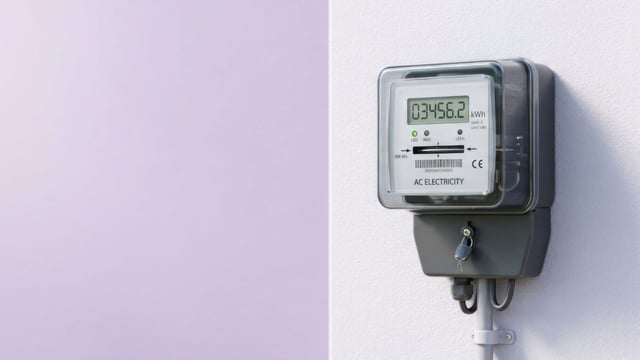
SWW Wunsiedel, the municipal utility of the Bavarian town of Wunsiedel, has handed the operational smart meter rollout in its supply area and the Bad Weißenstadt grid area to Energy Metering, the metering operator owned by Octopus Energy, according to an announcement published on 17 November 2026. Installations are to start on 1 January 2027, and Energy Metering says it carries all investment and operating risk.
Why: Small Utilities Are Behind On Legal Quotas
German law makes smart metering systems mandatory for customers using more than 6,000 kWh a year, solar systems above 7 kW and controllable devices such as heat pumps and wallboxes. The obligation falls on the default metering operators, which are mostly municipal utilities. They had to equip at least 20% of these mandatory cases by the end of 2025, 50% by the end of 2028 and 90% by the end of 2032.
Smaller operators are furthest behind. Those with fewer than 30,000 metering points had equipped 14.6% of mandatory cases on average at the end of 2025, against 27.1% for operators with more than 500,000, ZfK reported. The Federal Network Agency imposed penalty payments of about €1.4 million on 72 operators that missed their targets.
“Der Smart-Meter-Rollout darf nicht daran scheitern, dass kleinere Stadtwerke die notwendigen Investitionen und den technischen Aufwand allein stemmen müssen” (“The smart meter rollout must not fail because smaller municipal utilities have to bear the necessary investment and technical effort alone”), said Fabian Maleitzke, director smart metering at Energy Metering.
What The Contract Covers
Energy Metering is to handle procurement, installation, operation, maintenance and fault repair. It is also to run market communication, monitoring and billing of metering charges for about 14,000 electricity metering points. SWW Wunsiedel keeps its regulatory role as default metering operator and its customer relationships, and does not invest its own capital.
All existing mandatory installation cases in the area are to be equipped within three months of the start, according to ZfK, and the meters support load control under Section 14a of the Energy Industry Act. Energy Metering says it has installed 30,000 smart meters in about 18 months and aims to reach one million metering points by 2029.
A Second Offer For Municipal Utilities
Metrify, the metering business of the German solar installer Enpal, announced a similar service on the same day. It covers installation, gateway administration, market communication and fault management, and gives the utility a contractual right to buy back the metering points at any time. Metrify says a pilot is under way with a mid-sized utility managing more than 100,000 metering points, and that utilities expect to save about a third of the cost of an in-house rollout.
The law explicitly allows default metering operators to cooperate with each other, but cooperation with competitive operators is not clearly regulated, according to ZfK. Metrify wants this clarified in the next amendment of the Metering Point Operation Act.
What Happens Next
Energy Metering is due to begin installations in Wunsiedel and Bad Weißenstadt on 1 January 2027. The default metering operators must reach the 50% quota for mandatory cases by the end of 2028.