in Barcelona
 3 to 5 Nov 2026
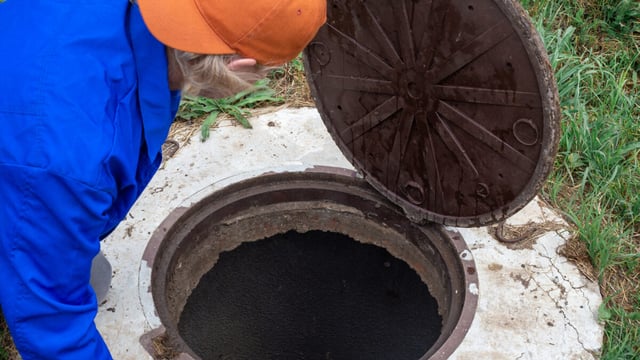
The Ajuntament d’Olot, the town council of a Garrotxa municipality of 38,836 residents in Girona province, Catalonia, announced on 22 October 2026 a digital sewer management model that pairs closed-circuit television inspection with a geographic information system across a network of 161 km of pipes, 3,703 manholes, 6,866 stormwater inlets and 21 overflow structures. The council has awarded management of the service to Veolia, which has run it in the city since 2023, and says the aim is to detect maintenance needs sooner and anticipate incidents before heavy rain turns them into street flooding.
The announcement follows the council’s stated intention to move from reactive repairs to preventive management as intense rainfall becomes more frequent.
A Network Where Inlets Outnumber Manholes Nearly Two to One
The asset counts give the scale of the maintenance burden: 6,866 stormwater inlets against 3,703 manholes means that for every kilometre of pipe the crews look after roughly 42.6 inlets, 23 manholes and 0.13 overflow structures, a density that makes manual rounds slow and uneven. The inlets are the points where leaves and sediment first block a street, and the 21 overflows are the points where a surcharged network discharges when capacity is exceeded.
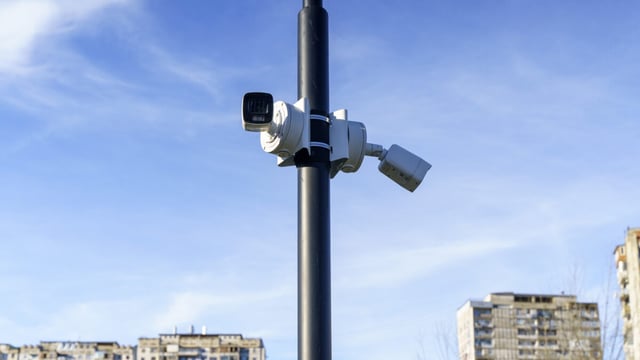
Under the contract, the inspection work is carried out with pole-mounted cameras that assess the condition of the pipes and the level of accumulated sediment before any cleaning begins, so that crews are sent to the sections that need them and not by calendar. The findings are then stored in the GIS platform, which produces digital maps and displays cartographic data in real time.
The contract also makes permanent a set of services that previously depended on case-by-case orders: unblocking works, maintenance of grates and stormwater inlets, and an emergency service available 24 hours a day, 365 days a year.
Why Olot Treats Intense Rain as an Operational Risk
Short, violent storms are a documented hazard in the town. On 10 June 2015 a storm delivered 115.2 litres per square metre, the highest reading in the Garrotxa that day according to NacioDigital, and firefighters took 107 rain-related calls between 4:30 and 6:30 p.m., 90 of them in Olot.
The same report recorded water entering a nursery school that had to be evacuated, flooded basements across the town and roads closed by falling rock and a collapsed wall. Streets flooded, it said, because the drains could not cope, which is the failure mode that sediment surveys and inlet maintenance are meant to reduce.
What Veolia Brings and What the Council Keeps
Veolia operates the service as the incumbent, so the new model changes the method of the existing contract and not the contractor. The practical effect is that the operator now holds a georeferenced record of pipe condition and sediment for each inspected section, which can be compared from one survey to the next.
That record matters beyond cleaning schedules. Sewer operators in Catalonia work towards an integrated sewer system management plan, known as a PIGSS, and the Consell Comarcal de la Garrotxa published a tender on 2 March 2026 for the plan covering Olot, with an estimated value of €312,485.57 excluding VAT, offers due by 29 March 2026 and an estimated start of 1 June 2026. Condition and sediment data gathered through the camera surveys is the type of input such a plan relies on for diagnosis and for ranking investments.
Comparable Programmes in Catalonia Set the Inspection Benchmarks
The closest published benchmark is Barcelona. According to the Ajuntament de Barcelona, the tender approved on 16 July 2024 for the 2025 to 2030 period is valued at €184,294,060 excluding VAT, runs for eight years with a possible two-year extension, covers 1,650 km of sewers and sets targets of 120 km of network inspected and about 15,000 storm drains cleaned each year.
Those targets imply that Barcelona inspects 7.27 percent of its network annually, a full cycle of 13.75 years. Applied to Olot’s 161 km, the same rate would mean about 11.7 km of pipe inspected per year, which gives a reference point for how fast a camera programme of this kind normally covers a network.
At the smaller end, the Ajuntament de Gavà specified a GIS inventory and a PIGSS for a network of about 99.05 km with 2,195 manhole covers, with six days of CCTV inspection, two limnimeters and one rain gauge, and a maximum budget of €120,000 including 21 percent VAT. That specification shows that a first inventory is typically a short survey effort, and that flow and rainfall instruments are bought separately from the cameras.
What Will Decide Whether the Model Reduces Flooding
Cameras and maps record the condition of pipes, but flooding in a storm like that of June 2015 depends on how much water reaches inlets in a short window and whether those inlets are clear when it does. The measure that separates a preventive model from a reactive one is therefore the share of the 6,866 inlets and 161 km of pipe that are surveyed and cleaned before the autumn rains and the spring storms, not the number of cameras deployed.
The next checkpoints are the PIGSS drafting contract, whose tender estimated a start on 1 June 2026, and the first full inspection cycle under the Veolia contract. If Olot’s annual coverage approaches Barcelona’s 7.27 percent, the network would take almost 14 years to survey, so the pace at which the GIS record is filled, and whether rainfall and flow instruments like those specified in Gavà are added to it, will determine how much of the preventive promise is realised.