in Barcelona
 3 to 5 Nov 2026
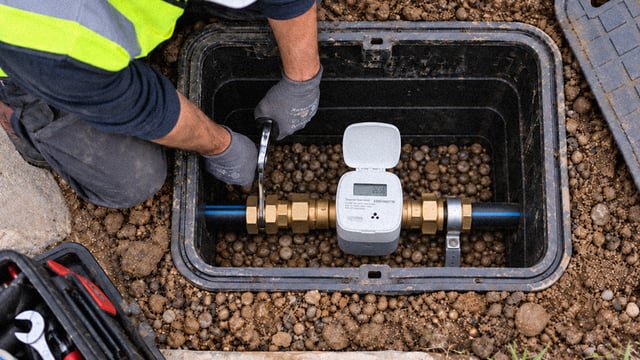
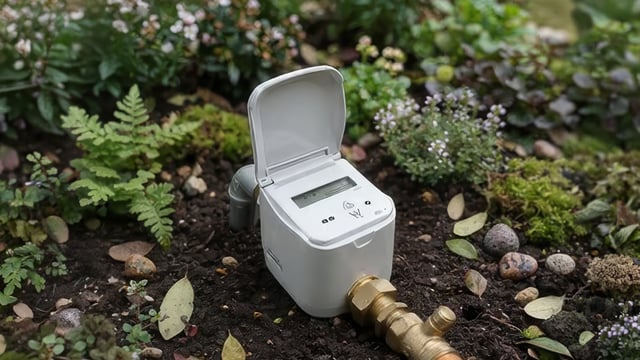
Birmingham Water Works is considering a $120 million investment in automated smart meters, a move that could modernize water billing for 770,000 residents. The proposed Advanced Metering Infrastructure (AMI) system would replace the current manual meter reading process, aiming to provide near-perfect billing accuracy by automatically reading meters multiple times a day. This would allow for real-time leak detection and faster response times to customer issues.
The system could reduce operational costs by eliminating the need for manual readings, which could lead to long-term savings without raising rates. BWW officials believe the initiative will improve efficiency, helping prevent missed or estimated bills that have frustrated residents. The installation, expected to take 4-5 years, is set to be reviewed by the board in October, with discussions focusing on minimizing disruptions to customers. If approved, the project would align Birmingham with other metro areas already benefiting from similar smart meter systems, which have proven successful in improving accuracy and reducing costs.