in Barcelona
 3 to 5 Nov 2026
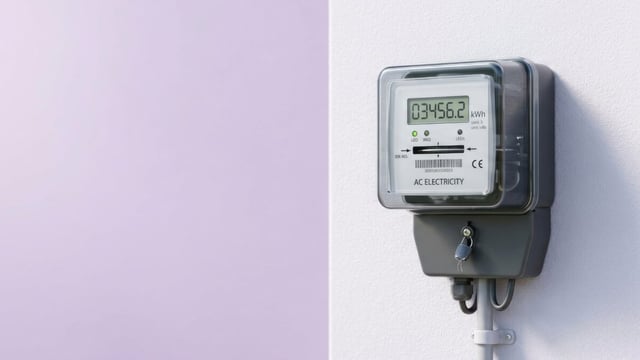
The Brownsville Public Utilities Board, the municipal electric and water utility serving Brownsville in Cameron County, Texas, has introduced a programme that notifies customers of water leaks, local broadcaster KRGV reported on 20 October 2026. The alerts rely on the utility’s advanced metering infrastructure project, which covers about 52,000 electric meters and about 58,000 water meters, according to a City of Brownsville notice, as part of a $29.7 million infrastructure investment.
A progress report presented to the City Commission on 1 September 2026 put completion of the metering project at around May 2027, with the technology designed to reduce manual meter readings, give customers more access to their usage information and help identify potential water leaks, according to a second City of Brownsville update.
A $5 Million Federal Grant Behind The Water Side Of The Project
The water component received federal support on 31 May 2023, when the Brownsville Public Utilities Board was awarded $5 million under the WaterSMART programme of the U.S. Bureau of Reclamation, according to a press release distributed by the consultancy E Source, which helped prepare the application. The grant application document is published on the Bureau of Reclamation website.
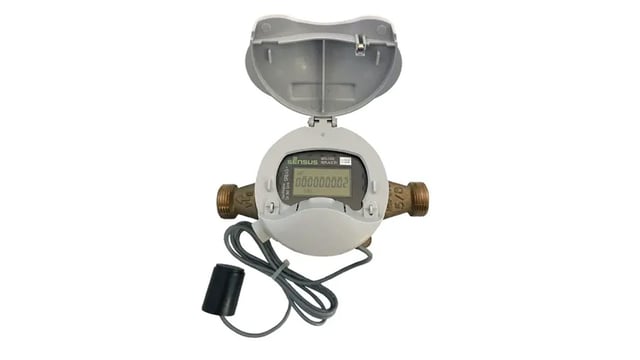
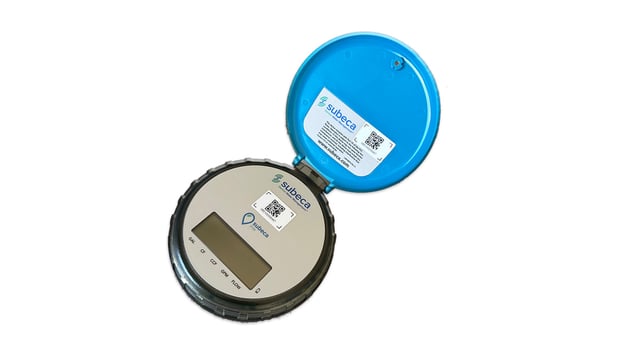
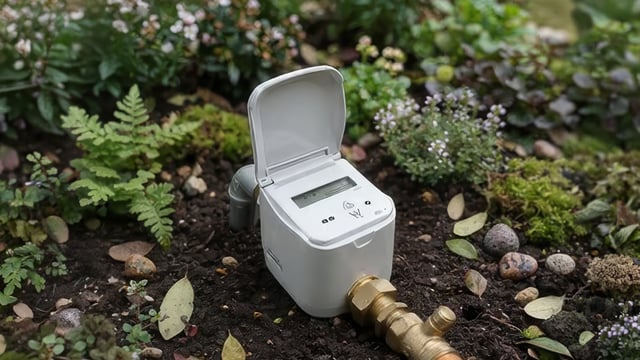
The grant funds the replacement of more than 17,500 manual-read water meters with smart meters and the retrofit of almost 40,000 additional meters with registers and endpoints compatible with the advanced metering system. Together these figures come to roughly 57,500 water connections, which is consistent with the 58,000 water meters cited by the city.
The Water Savings Figure The Programme Will Be Measured Against
According to E Source, the project is projected to conserve 2,103 acre-feet of water annually, mainly by detecting and addressing leaks sooner. That figure comes from the grant application prepared by the consultant and is a projection rather than a measured result. For scale, one acre-foot is about 325,851 gallons, which puts the projected annual saving at roughly 685 million gallons.
The gap between projected and realised savings depends on two operating factors: how quickly customers respond to an alert, and how much of the loss sits on the utility’s side of the meter, which customer notifications do not address.
A Border-City Utility Running Electric And Water Metering Together
The Brownsville Public Utilities Board operates both electric and water services, which allows one communications network and one meter data system to serve both commodities. The city describes the project as replacing electric and water meters citywide, with installations already under way in several neighbourhoods and the full upgrade expected by 2027.
The date that will test the programme is the May 2027 completion of meter installation, after which the utility can compare leak-alert response times and the 2,103 acre-feet annual savings projected in the grant application against measured water loss across nearly all of its meters.