in Barcelona
 3 to 5 Nov 2026
Columbia Utilities, the municipal electric and water utility of Columbia, Missouri, told KOMU 8 on 16 November 2026 that it plans to begin replacing more than 100,000 electric and water meters next spring. The City Council authorised the purchase, installation and bond financing on 21 September, as we reported.
Why The City Is Replacing Its Meters
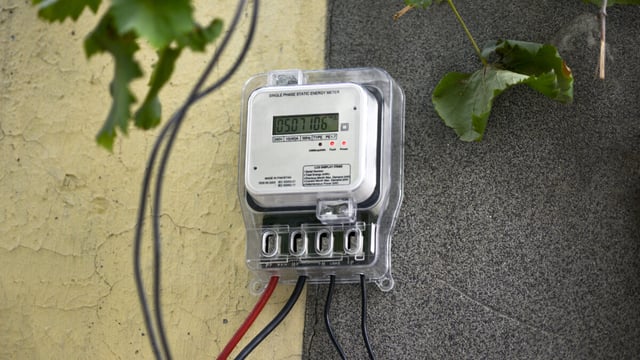
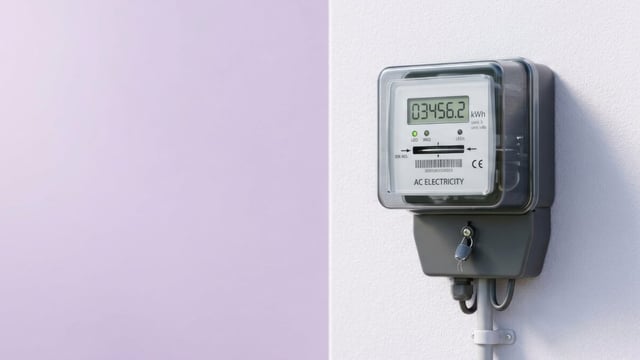
Columbia’s existing meters are electromechanical units with no two-way communication. The utility often relies on customers to report power outages, and crews must drive out to reconnect service.
“Right now, we have to also physically go out and manually restore power,” Gwen Corches, assistant director for electric at Columbia Utilities, told KOMU 8. She said the new meters allow restoration to be done remotely.
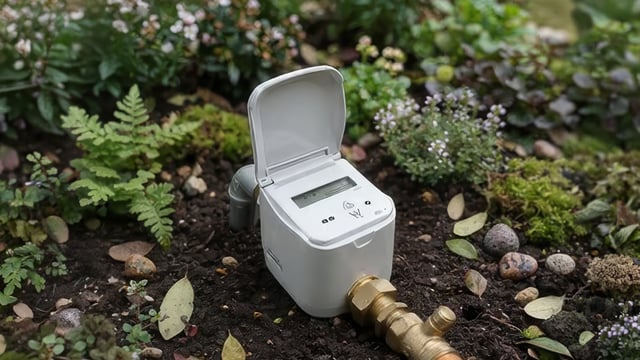
On the water side, remotely read meters provide interval data, which the city says will help detect leaks. A city council memo cited by KOMU lists leak and outage detection among the main features.
The older meters also tend to under-record consumption, according to city engineering supervisor Eric Worts. Customers whose meters are replaced may see bills that are more accurate and perceive them as an increase.
Cost, Vendor And Financing
Ameresco, the Framingham, Massachusetts energy services company, holds the turnkey contract of about $42 million, which covers 53,992 electric meters and 52,747 water meters, as we reported in October. The scope includes a citywide communications network and meter data software linked to the city’s billing system and customer portal.
The city is paying for the programme with special obligation bonds. City staff projected combined savings and additional revenue above $71 million over 15 years, from ending manual meter reading, more accurate billing and lower water losses.
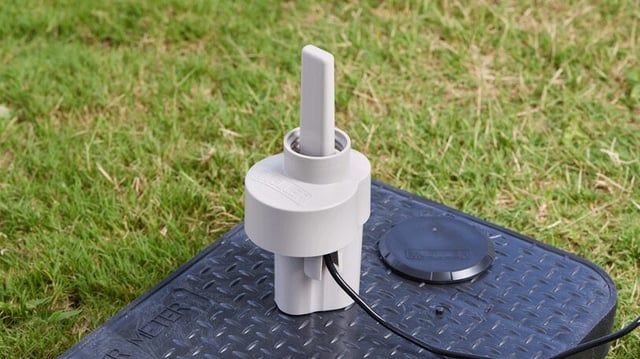
Columbia raised its utility rates on 1 October, and Corches said that increase was factored into the cost of the new metering system. The new meters carry an ERT module that sends readings to the cloud and then to the city’s customer portal.
Installation Order
City staff have said electric meters are to be swapped first, over roughly 18 months. Water meters are to follow over two to three years, because many sit in buried locations or deep pits.
What Happens Next
Installation is due to start in spring 2027, with the city’s earlier schedule pointing to March 2027. Software costs start at about $600,000 a year and rise by about 3% annually after the meters go live.