in Barcelona
 3 to 5 Nov 2026
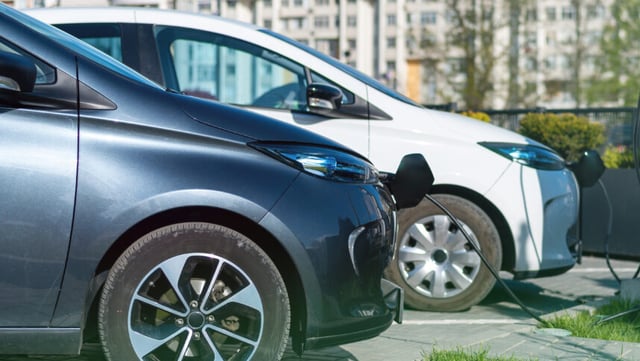
The U.S. Department of Transportation has awarded $635 million in grants to enhance electric vehicle (EV) charging and alternative fueling infrastructure across 27 states, four federally recognized tribes, and Washington, D.C. Funded through the Bipartisan Infrastructure Law, the grants support 49 projects aimed at deploying over 11,500 EV charging ports, along with hydrogen and natural gas fueling stations.
Of the total funding, $368 million will be directed to 42 community projects to expand local charging networks, while $268 million will support seven corridor projects focused on developing fast-charging networks along designated Alternative Fuel Corridors. Notable recipients include the Cherokee Nation, receiving $10.7 million for 112 charging ports in Oklahoma, and the Port Authority of Houston, awarded nearly $24.8 million for a hydrogen fueling station in Texas.
The program attracted 416 applications requesting $4.05 billion, with funds prioritized to benefit disadvantaged communities under the Justice40 Initiative, accounting for 67% of the grants. Currently, the U.S. has over 206,000 public EV charging ports, with 38,000 added in 2024, positioning the nation to achieve its target of 500,000 public chargers by 2030 ahead of schedule. The initiative aims to accelerate the transition to clean energy, create jobs, and reduce pollution while supporting the growth of hydrogen transportation infrastructure.