in Barcelona
 3 to 5 Nov 2026
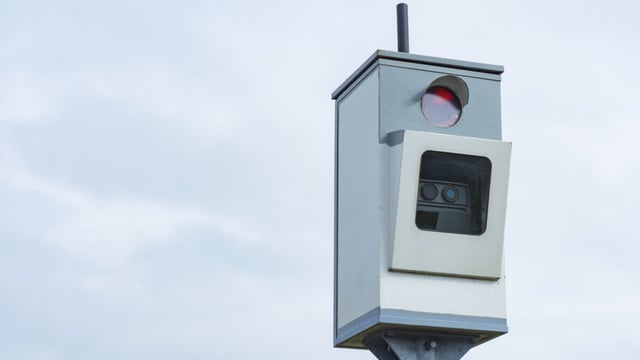
Verra Mobility, an Arizona-based traffic enforcement technology company, said on 19 November 2026 that the City of San José has hired it to design, build, operate and maintain the city’s speed camera programme. The rollout starts with six initial sites and is phased across the rest.
San José, a city of about 1 million residents in Santa Clara County, has recorded 41 traffic deaths in 2026 as of late October, according to KQED. That is down from a peak of 65 in 2022.
Why San José Is Using Speed Cameras
Speeding contributed to 33% of San José’s traffic deaths between 2018 and 2022, the mayor’s office said when the city council approved the programme’s use policy and impact report in October 2024. The council also delegated authority to the city manager to award the contract.
The legal basis is Assembly Bill 645, a 2023 California law that lets six cities pilot automated speed enforcement for five years or until 1 January 2032, whichever comes first. Los Angeles, San Francisco, Oakland, Long Beach and Glendale are the other five. AB 645 requires data protections, a warning period and fines scaled to speed.
How The Programme Works
The city is to place cameras at 33 sites on high-injury and high-speed corridors, with two cameras per site and at least one site in each of the 10 council districts. Sites were chosen using crash history and proximity to hospitals and senior centres, according to KQED.
Drivers going 11 mph or more over the limit are due to receive warning notices from 14 December 2026. The warning period lasts until 60 days after the last camera is switched on, and state law sets 12 February 2027 as the date citations can begin.
Fines start at $50 and can reach $500 depending on speed, ABC7 reported. Citations are civil, carry no licence points and cannot be used for unrelated law enforcement or immigration purposes. Citation revenue is to cover operating costs, and any surplus can only be spent on traffic safety.
Costs And Comparable Programmes
The city puts the cost of installing, operating and maintaining the five-year pilot at an estimated $15.4 million to $17.9 million. San José used local revenue to replace an $8.5 million federal grant that the Trump administration withheld, according to KQED.
Verra says it now supports all six AB 645 cities. It cites a 79% fall in speeding in San Francisco and an initial 70% fall in Oakland, figures reported by those cities and quoted in Verra’s release. San Francisco’s transport agency reported that average daily speeding events across its 33 sites fell by more than 30% between the first and seventh weeks of operation. Paid tickets there began on 5 August 2025.
Los Angeles has the largest AB 645 allocation. As we reported in April, its council approved a final map of 125 speed camera locations in March 2026. Outside California, Verra holds a 10-year contract of about $160 million to expand Hawaii’s red-light and speed camera network from 17 to 187 locations, as we reported in February.
What Happens Next
The remaining sites are to be installed in phases, with warning notices due to begin on 14 December 2026. Four of the 33 sites had cameras installed by 23 October 2026, according to KQED.