in Barcelona
 3 to 5 Nov 2026

Emcali, the municipal utility of Santiago de Cali, Colombia, selected Consorcio AP Santiago de Cali on 3 November 2026 to modernise 101,037 streetlights with LED fixtures, add 3,945 new lighting points and install a telemanagement system, in a project valued at about COP 450 billion. The consortium, formed by AGM Desarrollos S.A.S., American Lighting S.A.S. and Coinvercol S.A.S., will finance the works up front and be paid only after Emcali verifies each intervention, under a scheme that also covers 20 years of operation and maintenance.
Three bidding groups made up of 11 companies took part in the process, according to Occidente, which reported the outcome. The investment includes COP 121 billion for the telemanagement layer, and Ubicquia Inc., headquartered in Fort Lauderdale, Florida, will supply the technology to the consortium.
A Pay-on-Delivery Model That Keeps the Capital Outlay Off Emcali’s Books
The central commercial feature is the financing structure: the consortium carries the construction cost, and Emcali releases payments only once works are received to its satisfaction under the contract terms. Emcali states that the city will not take on debt, and that the remuneration of the investment follows the existing regulatory framework for public lighting.
Track tenders like this
New street lighting tenders worldwide, flagged daily with an AI summary.
Emcali calculates that using a strategic partner will save COP 387.157 billion compared with carrying out the same activities with its own resources and operating capacity. That comparison is the utility’s own figure, and the reference cost on which it rests was not itemised in the announcement.
Emcali general manager Roger Mina framed the scheme as a first for the country. “This project marks a new milestone in the transformation of public lighting in Cali and will allow the city to become the first capital in the country with a 100% LED and telemanaged system,” said Roger Mina, general manager of Emcali, in remarks reported by Occidente on 3 November 2026 (translated from Spanish).
Schedule: Three Months of Mobilisation, Then 18 Months of Installation
After selection, a mobilisation period of roughly three months will see the consortium organise crews and prepare materials before installation begins. The contract then allows 18 months for the modernisation and expansion works, which places the end of the installation phase at about mid-2028 if the work starts on schedule, followed by the 20-year operation and maintenance term.
The 3,945 additional points are intended to extend coverage in the urban and rural zones included in the project, while the 101,037 existing luminaires will be replaced. Emcali retains administration and supervision of the contract, including quality checks on installed elements, and the scheme provides for fines and a pecuniary penalty clause in case of breach.
Technical Claims and the Scale of the Existing Network
Emcali says LED luminaires use between 40% and 50% less energy than conventional systems, last six times longer and deliver three times more light in public spaces. These are the utility’s figures and are not tied to a specific fixture model in the announcement.
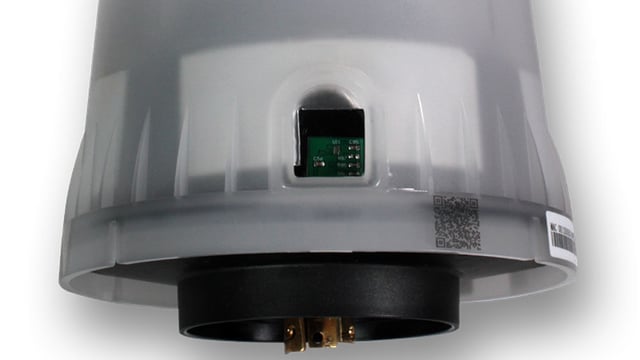
The telemanagement component will let Emcali monitor the operation of the lighting infrastructure during the service period. Ubicquia is known for its sensor and node platform fitted to existing luminaires, though the announcement does not specify which of its products will be deployed.
Emcali’s own balance of the current administration under Mayor Alejandro Eder counts more than 58,000 luminaires already converted to LED, which the utility says is more than 30% of the city’s lighting stock. The new contract therefore follows a first wave of conversions carried out directly by the utility, and is designed to cover the larger remaining share.
Oversight and Procurement Background
The process was accompanied by preventive oversight from the Procuraduría General de la Nación, the Contraloría General de la República, the Contraloría de Santiago de Cali, the Personería and the Secretaría de Transparencia. Emcali first presented the project on 25 May 2026, and Kurrantly reported the tender launch, which put the total network above 186,000 luminaires and the investment at COP 450 billion, about USD 124 million at late-May rates.
Public lighting in Cali has been politically sensitive, with local press coverage of earlier contract disputes and the 2023 creation of a utility subsidiary to operate the service. Control bodies attending the process is a response to that history, and it sets the standard against which the award will be read.
The next test is the first quarter of 2027, when the mobilisation phase ends and the first verified installations begin to trigger payments to the consortium. The pace of those verified milestones against the 18-month window, and the telemanagement data that Ubicquia’s nodes begin to return from the first districts, will show whether the pay-on-delivery model can sustain a programme of 105,000 points.