in Barcelona
 3 to 5 Nov 2026
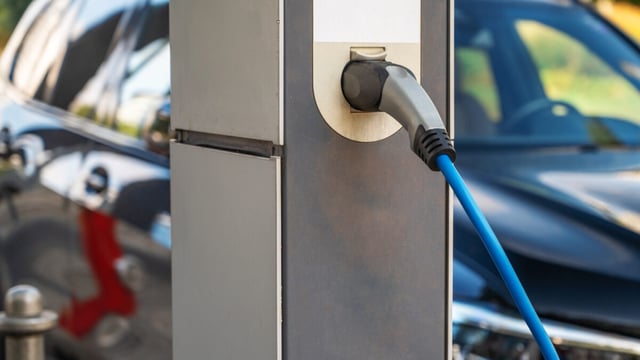
The Australian Energy Regulator (AER) decided on 29 October 2026 to waive part of its ring-fencing rules for Essential Energy, the state-owned distribution network that covers 95% of New South Wales. The waiver lets the network install and own 7 kW EV chargers built into new composite streetlight columns in regional towns, then lease them to private charge point operators.
Why: Thin Charging Markets In Regional Towns
Ring-fencing rules keep regulated networks out of competitive markets such as EV charging, so they cannot use their monopoly assets to undercut private operators. Essential Energy argues that many small regional towns have no ready-made market, and that private operators will not install chargers there on their own. Its footprint had about 1,464 public chargers in December 2025, according to the company.
In its reasons for the decision, the AER said the trial could show whether chargers embedded in network assets make better use of the grid and lower deployment barriers. The regulator did not conclude that the market has failed, or that the model is more efficient than the alternatives.
The AER received 20 submissions: 13 in support, 6 against and 1 neutral. Energy retailers and Nexa Advisory, a clean energy consultancy, were among the opponents. They argued that a network controlling poles, grid data and connections could distort competition, and that low regional uptake may reflect weak demand and home charging rather than a market gap.
How The Trial Is Funded And Run
The trial is to cost A$6.01 million. The Australian Renewable Energy Agency (ARENA) is contributing A$2.32 million and Essential Energy’s shareholder is funding the rest. None of the cost may be recovered through network charges or added to the regulated asset base.
The columns are made with Wagners Composite Fibre Technologies, an Australian maker of fibre composite structures. Sites are limited to areas supplied by underground cables where existing poles are due for replacement, and local councils help choose them. Essential Energy is to offer sites or bundles of sites to charge point operators through a tender. The operators set prices and brand the service, while Essential Energy installs and maintains the hardware.
Essential Energy had asked for a waiver until 30 June 2033. The AER limited it to 31 October 2029 and set six conditions. They include a public register of every charger, publication of tender outcomes and lease fees within one month of each tender, and annual reports by 30 April on energy delivered, outages, faults and average prices paid by drivers. Essential Energy must also give the AER an audited report confirming that the trial’s costs stayed off customers’ bills.
When the waiver ends, the network must apply for a new one, offer the working chargers to private providers, or remove or disable them.
Similar Network-Led Trials
The AER has approved other network-owned charging trials. Victorian distributors CitiPower, Powercor and United Energy received a waiver for a five-year trial of 100 kerbside chargers in Melbourne. Plus ES, a subsidiary of Sydney distributor Ausgrid, won approval for 1,000 pole-mounted chargers through the AER’s regulatory sandbox, according to RenewEconomy. As we reported in August 2024, Ausgrid had announced plans for kerbside chargers on its own power poles.
What Happens Next
Deployment is due to start in December 2026, with installation taking about 12 months and all chargers expected to operate from January 2028. The ARENA-funded trial ends in October 2028, followed by a year of knowledge sharing.
A second part of the programme, which needs no waiver, prepares 1,000 existing timber power poles so private operators can attach their own chargers. Together the two parts would add 1,300 connection points to Essential Energy’s network, close to double the public chargers in its footprint at the end of 2025.