in Barcelona
 3 to 5 Nov 2026
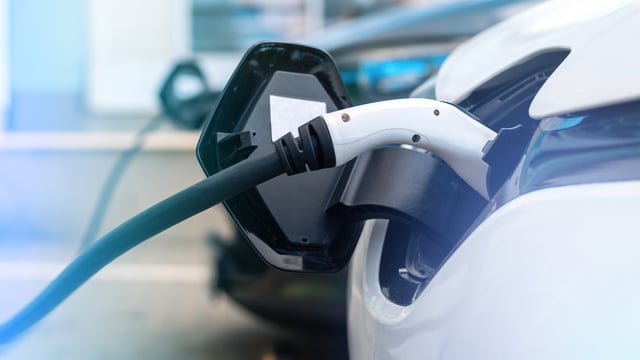
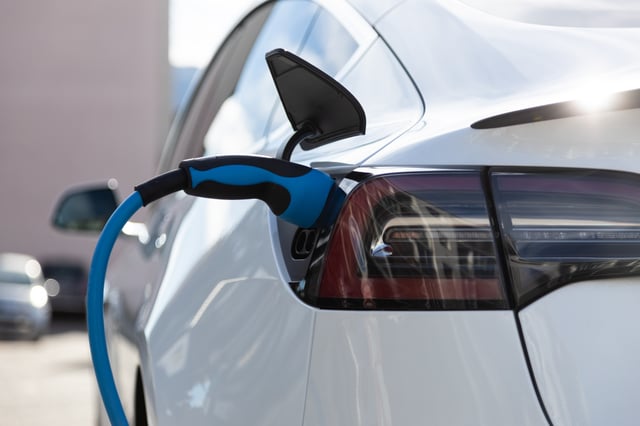
TransnetBW, Audi, and IE2S are collaborating on a pilot project in Germany to integrate electric vehicle (EV) charging flexibility into the electricity market without needing smart meters or dynamic tariffs. The project allows EV owners to benefit from flexible electricity prices by using an app, even if they lack a smart meter or dynamic tariff, enhancing system stability and efficiency. The initiative has successfully tested virtual EVs and will soon include real vehicles to assess the economic benefits and potential for load shifting. Starting this September, a pilot test will expand to incorporate real vehicles, allowing participants to market their flexibility on the stock exchange while implementing balance and billing with network operators. This end-to-end test aims to assess the feasibility, load-shifting potential through electric vehicles, and economic benefits. This approach could simplify the use of decentralized consumer flexibility and increase renewable energy usage.
EV Charging · Germany
Germany Tests Smart Meter-Free EV Charging
Related news
Latest news


Kurrant Originals



Recent event coverage



Featured Case Studies
Real client work behind the news. Strategy, M&A and engineering projects we've delivered for cities and utilities.