in Barcelona
 3 to 5 Nov 2026
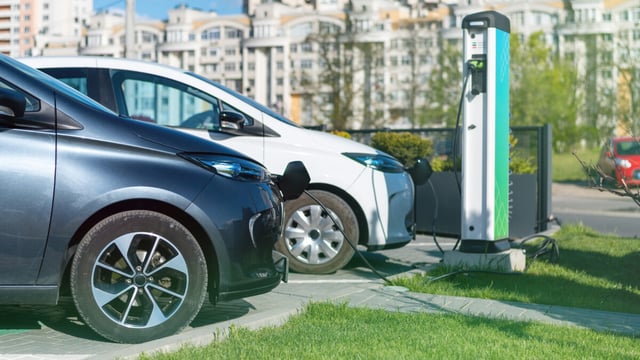
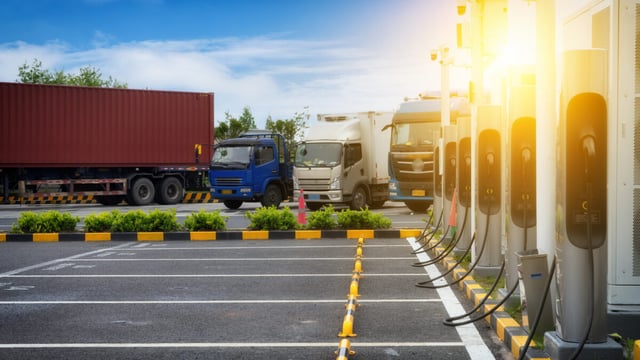
DEW21, Dortmund’s municipal energy and water utility, and DOGEWO21, the city’s municipal housing company, have put the first of their new charging columns into service at Albinger Straße 3 in the southern district of Benninghofen, Ruhr Nachrichten reported on 27 November 2026. Further columns are planned in districts including Aplerbeck, Eving, Wambel and Wickede.
Why: Residents Without A Home Wallbox
Not every electric car driver in Dortmund can run a private wallbox at home. The two companies say the new points are meant to fill that gap in neighbourhoods where private charging is not available.
The points are open to tenants and to visitors of the estates. DOGEWO21 provides the land in its estates and DEW21 provides the charging infrastructure.
“What matters to us is that Dortmund gets a mix of different charging options that matches demand,” said Peter Flosbach, technical managing director at DEW21, in the joint announcement. DOGEWO21 presents the chargers as part of the equipment of its estates, next to its spending on low-carbon heating.
Charging Power And Payment
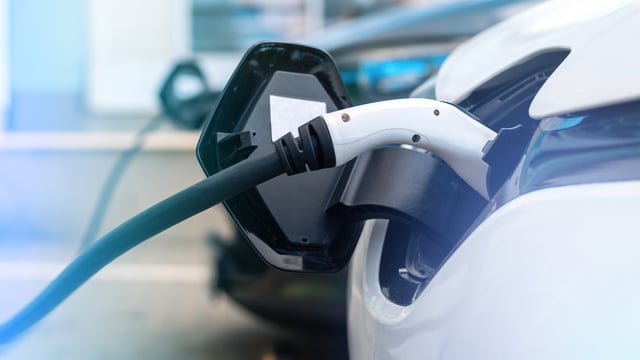
The Benninghofen column has two publicly accessible points rated at 50 kW each. According to the companies, an average electric car charges there from 10% to 80% in about 45 to 60 minutes.
The space came from reorganising the existing car park. Glass and paper recycling containers were removed and the freed area was turned into extra parking bays.
Drivers can pay through DEW21’s fahr-E LadeApp, through roaming services or with charge cards from other providers. Those without an app or customer account can charge ad hoc by scanning a QR code and paying by credit card.
DEW21’s Wider Charging Network
The housing estate columns add to a public network in Dortmund that already mixes conventional charging columns, charging kerbs and charge points built into street lights. Work on 320 lamppost charge points in the city started in July 2021, electrive reported, and the Betenstraße in the city centre now has ten charging kerbs.
Other German municipal utilities are also placing chargers on land owned by partners. As we reported in July, Mannheim utility MVV is financing, building and operating 78 fast-charging points at 27 sites of retail chain Müller.
What Happens Next
The first phase, covering all 14 sites, is due to be completed by spring 2027. DEW21 and DOGEWO21 then plan to extend the concept to at least ten more DOGEWO21 locations, which would take the programme to 24 sites or more.