in Barcelona
 3 to 5 Nov 2026

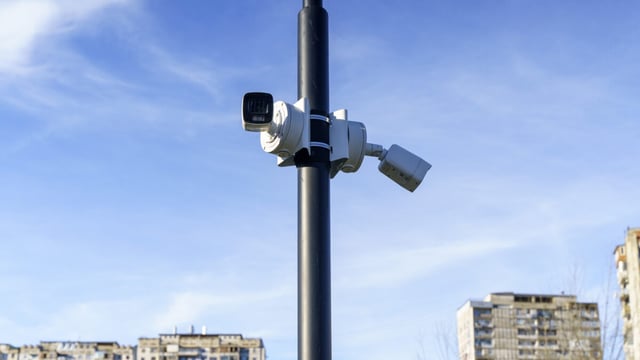
The City of Quincy, Massachusetts, is removing the 50 automated license plate reader cameras it operates from Flock Safety and replacing them with Axis Communications cameras running OdinEye software, Mayor Thomas Koch announced on 23 October 2026, four days after the City Council voted 8 to 1 on a resolution urging the mayor and police chief to remove the Flock units. According to Boston.com, Police Chief Mark Kennedy confirmed the department had 50 Flock cameras, a count the outlet contrasts with most other Massachusetts communities using Flock, which it reports have fewer than 10 active cameras.
From a hardware bundle to software on third-party cameras
OdinEye sells software only, which aggregates plate data from cameras made by other manufacturers and lets police search across municipalities regardless of camera brand. The Boston Globe reports a price of about $250 to $500 per camera for the OdinEye software, against $3,400 per camera for Flock’s bundle of hardware, software and maintenance.
The Globe lists end-to-end encryption, mandatory police case numbers and regular audits among the safeguards OdinEye says it offers. The department’s policy of deleting all collected data within 14 days remains in force after the switch, according to Boston.com.
A vendor with one identified person
The Globe found one person connected with OdinEye: John Stroud, a police detective in Middletown, Connecticut, whose business CellTrace LLC was registered in 2024 and lists him as its sole employee. In a video, Stroud claimed more than 850 users across 40 Connecticut agencies, and Waterbury and Middletown police departments are among the customers, the Globe reports.
Waterbury has used OdinEye for roughly two years alongside more than two dozen Rekor Systems license plate readers, according to a department officer quoted by the Globe. Salem, Massachusetts, has OdinEye pre-installed on eight Axis cameras and has not signed a contract.
Procurement and oversight
Quincy selected the new system without a competitive bidding process, and the Globe reports that Chief Kennedy says the department is still exploring multiple vendors and can bypass public procurement by hiring state-approved contractors. Councilor Ziqiang Yuan and another councilor have proposed an ordinance that would require council approval before the city adopts surveillance technology, which would not take effect for months.
Residents raised questions at the council about the cybersecurity and reliability of the system and about how one person could support dozens of agencies, according to the reporting by Hoodline. The city has scheduled a meeting on surveillance technology for Monday 9 November 2026.
“We can insist on accountability without losing sight of the important work our officers perform,” said Mark Kennedy, Police Chief of Quincy, as quoted by Boston.com on 25 October 2026.
A wider move away from Flock
Salem announced in July that it was ending its Flock contract over data security concerns, and WCVB reported that at least 18 Massachusetts municipalities have stopped using Flock cameras. TechCrunch counted at least 10 local governments or police departments nationally that have moved since summer to curb, restrict or end their use of Flock, while New Bedford’s council voted to ban the cameras with its contract set to expire on 12 November 2026.
Boston ran a 90-day pilot with 45 Flock cameras and chose not to extend it, launching pilots with Motorola Solutions and Axon instead.
Quincy’s 9 November meeting and the surveillance-technology ordinance are the next decision points, and the ordinance, if passed, would apply to any vendor the department selects, including OdinEye, for the 50 cameras being replaced.