in Barcelona
 3 to 5 Nov 2026
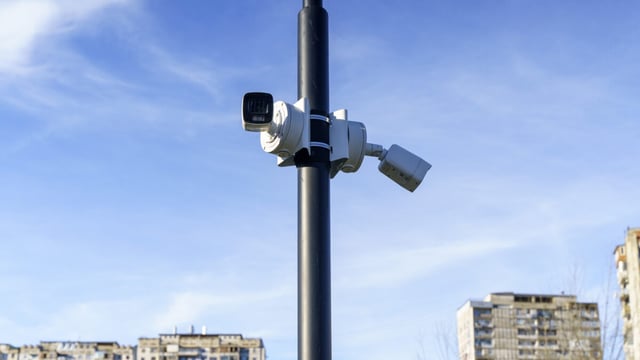
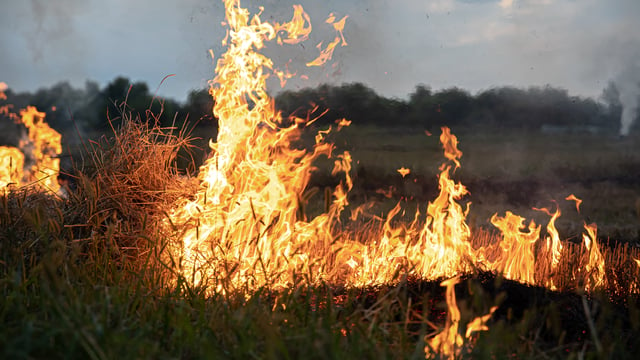
Rocky Mountain Power is transitioning from manually operated wildfire cameras to advanced AI-equipped models. Initially, the utility company deployed 14 cameras across Utah’s most fire-prone regions. These cameras required personnel to actively monitor and manually adjust them to pinpoint smoke and potential fire outbreaks.
By the end of 2024, Rocky Mountain Power plans to enhance its wildfire monitoring capabilities by introducing five new cameras equipped with AI technology. These new models, developed by PanoAI, are designed to autonomously detect smoke and immediately alert first responders. This shift to AI technology allows for more efficient and faster detection of wildfires, significantly improving response times and potentially reducing the spread of fires.
The introduction of AI cameras marks a significant upgrade in wildfire management, focusing on automation and accuracy. Unlike the older models, the new cameras will operate without the need for human intervention, making them a critical tool in wildfire detection and management.