in Barcelona
 3 to 5 Nov 2026
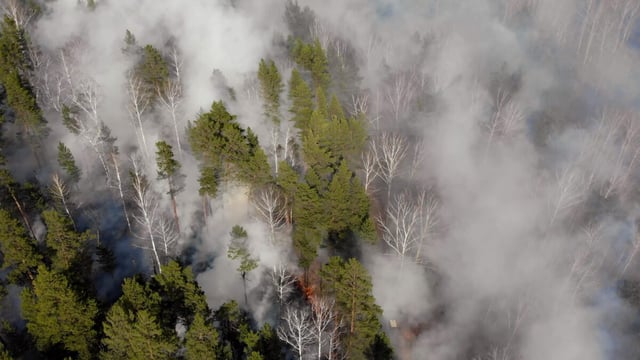
SenseNet, a Vancouver developer of wildfire detection systems that combine ground gas sensors, AI-enabled cameras and satellite data, announced on 24 November 2026 that it has closed a round led by Idealist Capital. The package mixes newly issued shares, secondary share sales to existing holders and debt, with Fusion Fund, Stormbreaker Ventures, Thin Line Capital, The Sitka Foundation and National Bank of Canada also taking part.
The company did not split the total between equity and debt, GeekWire reported. As we reported in October 2025, SenseNet raised $14 million in a Series A led by Stormbreaker Ventures.
Why: Fire Agencies And Utilities Want Earlier Alerts
SenseNet sells to fire agencies, local governments, utilities, critical infrastructure operators and private landowners. Its pitch is detection before a fire is visible from the ground: the company says its systems have spotted several fires hours before the first 911 call, a claim from its own release.
Building in this space?
Kurrant Ventures backs start-ups digitalising cities and utilities, and opens doors to the operators that buy from them.
- Latitudo 40
- GoodVision
- Meersens
- Cortexia
Idealist Capital frames the deal around infrastructure risk. Co-managing partner Steeve Robitaille told GovTech that wildfires are an escalating risk for critical infrastructure, and that operators need one platform for detection, monitoring and risk prediction.
For utilities, the question is liability as much as safety. Grid and water operators in the western US face wildfire exposure from their own assets and need early warning near pipelines, substations and reservoirs.
Where The Sensors Are Deployed
SenseNet says it has more than 5,300 ground sensors and AI cameras installed in 12 countries. It says these have detected more than 10,000 fires, a figure it has not broken down.
In the US, its named customers include the Palo Alto and Woodside fire departments, Santa Clara County and San Jose Water in California. In Colorado, they include Jefferson County and the City of Colorado Springs. The company also lists deployments in Nevada and Hawaii.
SenseNet says it tripled its monitoring footprint over the past year, from 130 million acres to more than 450 million acres. That is the area its sensors and satellite layers cover, not burned area.
The system feeds alerts into existing emergency and third-party systems, according to the company, so buyers do not need to replace dispatch or camera software.
A Crowded Detection Market
SenseNet competes with camera network operators such as Pano AI, satellite firms such as OroraTech, and other sensor makers such as Dryad, GeekWire noted. Pano AI’s cameras and alerting are used by Washington State’s Department of Natural Resources.
SenseNet has also grown by acquisition. As we reported in August 2026, it bought the wildfire detection business of N5 Sensors, a Maryland sensor maker, to add hardware and US customers.
What Happens Next
SenseNet says it plans to spend the new money on US sales, on its international operations and on larger commercial teams. It says it has deployments and partnerships in Canada, Latin America, Asia-Pacific and Europe, alongside its four US states.
The company has about 30 employees, according to PitchBook data cited by GeekWire.