The Ville de Saint-Vallier, a commune of roughly 4,240 residents in the Drôme that manages its drinking water directly through a municipal régie, has signaled that it will soon equip its network with connected water meters capable of remote reading. The plan would replace the once-a-year manual reads still carried out by municipal agents with automated data collection across a service that counts about 2,266 subscriber accounts along 36.75 kilometers of pipe. The stated aims track those driving similar projects nationwide: faster leak detection, billing on actual rather than estimated consumption, and tighter control of a distribution network whose efficiency has slipped.
Why A Small Drôme Régie Is Turning To Remote Reading
Saint-Vallier is one of the relatively few communes of its size to run water production and distribution in-house rather than delegating it to a private operator. According to the municipality’s 2024 water service report, the service is staffed by three agents who handle everything from borehole operation to meter reading, repairs and billing.
The case for automation is visible in the régie’s own performance figures. The network’s distribution yield fell from 77.56 percent in 2023 to 70.42 percent in 2024, meaning a growing share of the water pumped never reaches a billed tap.
Losses reached 112,072 cubic meters in 2024, and the linear loss index climbed to 8.35 cubic meters per day per kilometer, up from 5.92 a year earlier. Because meters are read only once a year, a leak on a customer connection can run for months before it is spotted.
From Annual Manual Readings To Continuous Data
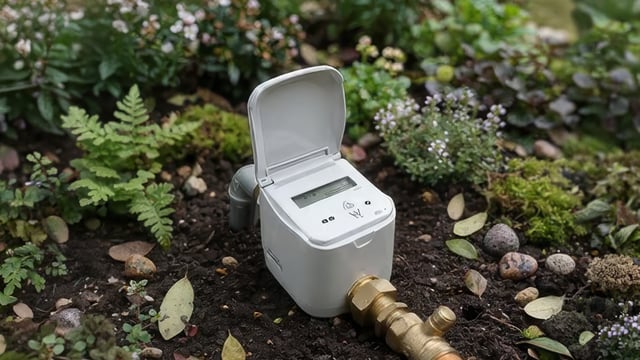
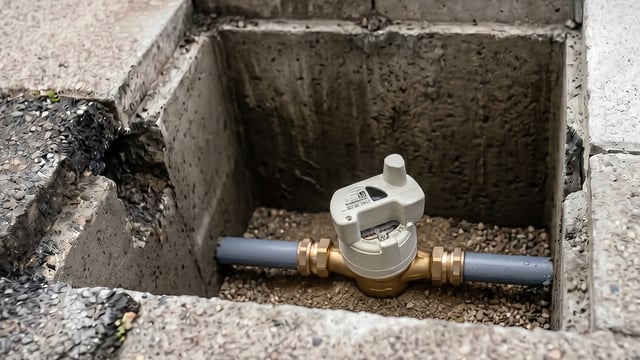
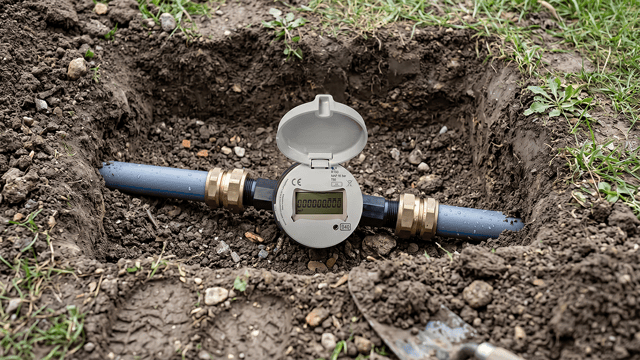
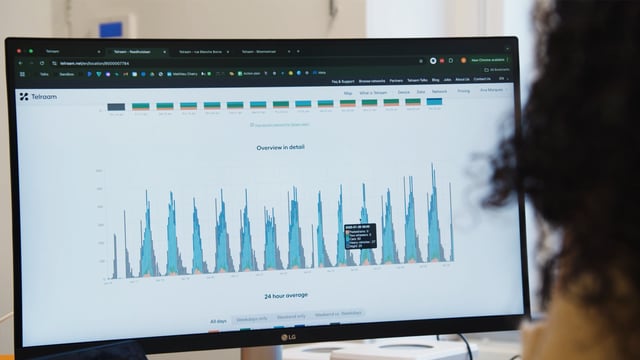
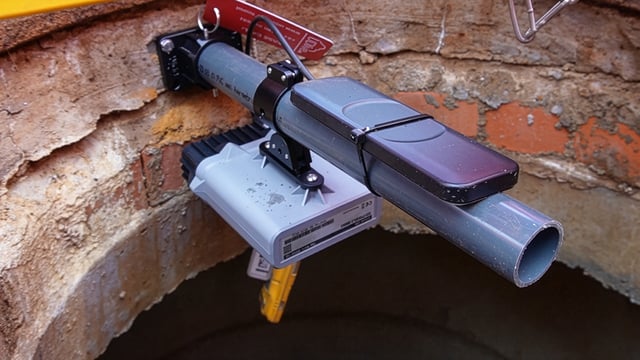
Connected, or communicating, water meters pair a conventional meter with a small radio module that records consumption and transmits it automatically, typically several times a day, to collection points and on to a secure management platform. For subscribers, the practical changes are billing based on real consumption, access to near real-time usage data, and alerts for suspected leaks or abnormal use.
For the régie, the technology promises continuous visibility of flows across the six sectorisation zones it already monitors through night-flow analysis. Saint-Vallier draws its supply from the Les Serves well field at neighboring Saint-Uze and operates without a treatment plant, so meter-level data would become one of its main levers for lifting a yield that has fallen well below the national norm.
What Saint-Vallier Has Not Yet Detailed
As of publication, the commune had not made public the parameters that will define the project: the meter manufacturer and installer, the connectivity technology, the total investment, or the deployment calendar. SAUR already holds a technical-assistance contract with the commune covering network sectorisation and electromechanical maintenance, though that role is distinct from any meter-rollout contract.
Those details matter because they set both cost and capability. Comparable régie-led programs elsewhere have been financed by the water budget rather than billed directly to users, and the choice of radio technology determines which alerts and reporting features subscribers ultimately receive.