in Barcelona
 3 to 5 Nov 2026
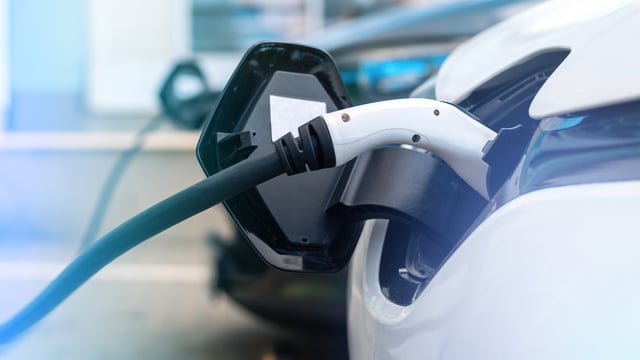
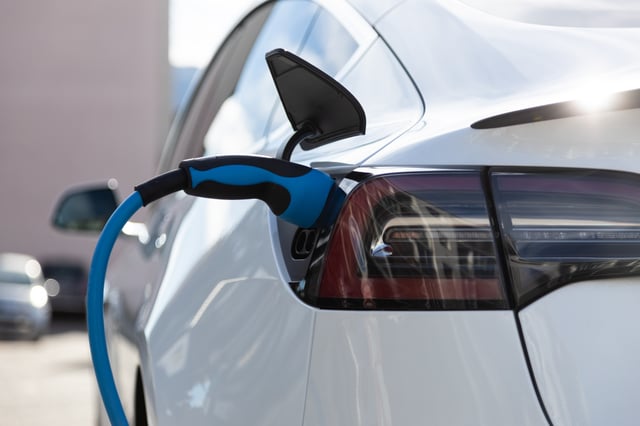
The U.S. Department of Transportation has paused funding for the National Electric Vehicle Infrastructure (NEVI) Formula Program, a $5 billion initiative aimed at building a nationwide network of electric vehicle charging stations. The decision follows a leadership change at the department, prompting a review of the program’s policies.
The Federal Highway Administration (FHWA) announced that all previous NEVI program guidance has been rescinded to align with current DOT priorities. Updated guidelines are expected to be released for public comment in the spring. Until then, no new funding obligations will be permitted, though states will be reimbursed for existing commitments to avoid financial disruptions.
The NEVI program, established by Congress in 2021, had allocated significant funds to states, including 59 million for 91 projects in Pennsylvania, and $110 million for Michigan. The pause has also raised concerns for states planning to implement the Advanced Clean Trucks rule, which mandates increasing sales of zero-emission trucks by 2035.
The lack of charging infrastructure is seen as a major barrier to electric truck adoption. An executive order signed in late January has halted federal grants for charging infrastructure, further complicating efforts.
House Democrats have opposed the funding freeze, calling it a disregard for bipartisan investments and urging the DOT to reverse its decision. The FHWA maintains that the suspension will not penalize states and aims to ensure the program aligns with current transportation priorities.