in Barcelona
 3 to 5 Nov 2026
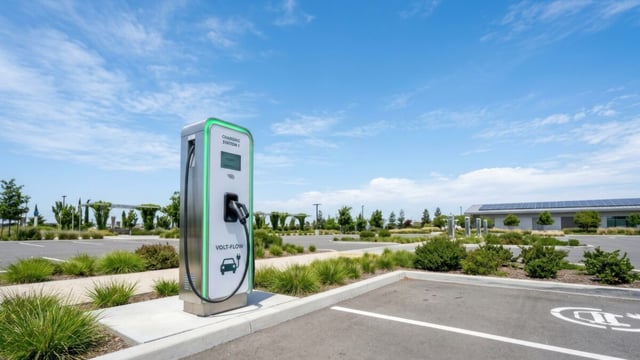
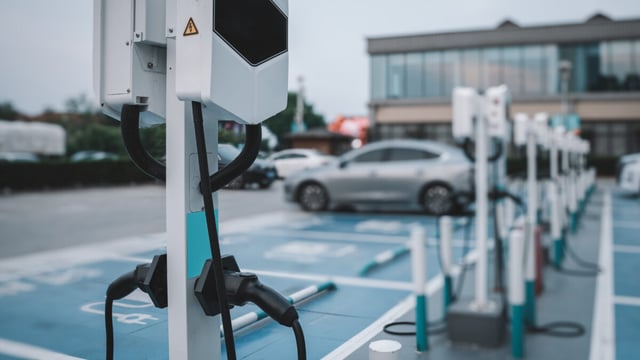
The Ohio Department of Transportation (ODOT) named the sites in its latest NEVI round on 19 November 2026, Spectrum News reported, with private developers adding $10 million for a combined budget of $41 million. Each site is to have at least four fast-charging ports rated at 150 kW or more, at existing travel centres, petrol stations and restaurants with restrooms and food nearby.
Why: Ohio Can Now Fund Sites Off The Interstates
The National Electric Vehicle Infrastructure (NEVI) programme gives states federal money for public fast chargers. It covers up to 80% of eligible costs, including installation, grid connection, operation, maintenance and data sharing.
Chargers built with the money must be open to the public or to qualifying commercial vehicles, accept open-access payment and use non-proprietary equipment. Sites generally have to sit on federally designated Alternative Fuel Corridors, unless a state’s corridor network has been certified as fully built out.
The Federal Highway Administration gave Ohio that certification in autumn 2025, according to Electrek. ODOT can therefore place chargers on other public roads where demand has grown.
That demand is rising. Nearly 143,000 electric vehicles are registered in Ohio, 20,500 of them added in 2026, and drivers have used completed NEVI sites more than 77,000 times, GovTech reported.
Nine Developers Share The Cost
The federal share of this round is about 76%, below the 80% ceiling. The developers are 7-Eleven, Love’s Travel Stops and Country Stores, an Oklahoma-based truck stop chain, and Tesla, alongside six smaller charging developers and operators.
Those six are Big Energy Enterprises, EVunited, Heartland Charging Services, R&S Project Group, Red E Charging and Universal EV.
The round is smaller than the one ODOT announced in April 2026, which covered 64 sites with $51 million in federal funds and more than $26 million from developers, Axios reported. Private money made up about a third of that round, against about a quarter in the November selection.
Several companies appear in both rounds. Tesla, Love’s, Heartland Charging Services and Red E Charging were among the April winners, together with Pilot Travel Centers, Sheetz and Aldi, according to Electrek.
Neighbouring Michigan followed the same path. As we reported in April 2026, the Michigan Department of Transportation won federal approval to spend the remaining $51 million of its $106 million NEVI allocation after its corridors were certified complete.
What Happens Next
ODOT said in November 2024 that Ohio expected to receive $140 million in NEVI funding by 2026. At that point it had awarded more than $30 million for 42 stations.
States receiving NEVI money must submit an updated deployment plan each year for federal review and publish it, covering how funds are distributed, physical and cybersecurity measures and community engagement.
Construction of the new sites is due to begin in 2027, and ODOT expects many of them to open by the end of 2027. With this round, Ohio’s NEVI pipeline reaches 120 locations: 99 are in design, two are under construction and 19 are open to the public.