 in Barcelona
 3 to 5 Nov 2026
The camera can be really much more precise in counting and understanding than the previous system based on Wi -Fi or other means. The Wi -Fi tools have typically a saturation point, so they are counting quite well up to 150 to 150 people at the same time. when you have many hundreds in squares they are not capable for the range and also for the the capability of the antenna and the system for measuring so while the thermal cameras can be much more effective they are obviously more expensive and you but you cover much space much larger space with the camera with respect to this So we have, we use typically, we use both, so we have both in place and so we know the difference from the two systems.
Originals Industry leaders Mobility
Paolo Nesi: Wi-Fi Vs. Cameras for People Counting
AI & Computer VisionFlorenceIndustry leadersMobilityPeople counting
In this video
-
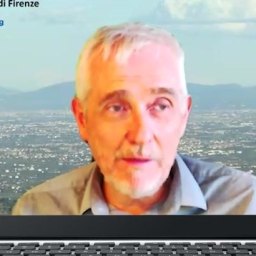 Paolo Nesi
Coordinator, Snap4City
About this video
In the recent episode of "Coffee Talk", Paulo Nesi from Snap4City shared his insights on using Cameras and Wi-Fi for people counting in the City of Florence, Italy. The Distributed Systems and Internet Technologies Lab (DISIT) at the University of Florence, directed by Prof. Paolo Nesi, actively works in the domain of Smart Cities and communities. DISIT has been instrumental in developing solutions in areas such as data mining, artificial intelligence, big data analytics, semantic computing, and more. They focus particularly on big data analysis for monitoring people flows, using data from mobiles, sensors, and cell phones.
One of their notable contributions is the Snap4City infrastructure, which involves managing data for various Italian cities including Florence, as well as other European regions. This infrastructure is used for Smart City Control Rooms, which assist in managing urban aspects like mobility, transport, energy, and safety. Snap4City is also involved in several significant projects such as Herit-Data, which aims to manage tourism flow impacts on heritage sites through big data technologies, and REPLICATE, a European Commission project for developing Smart City Control Rooms in the Florence metro area. Another project, RESOLUTE, focuses on urban transport system resilience, leveraging big data for predictions and analysis of people flow
Read the transcript machine-generated
More from Industry leaders
See all 2:39
Syliva Haack on urban resilience related to water infrastructure
 1:48
João Matos Discusses the Challenges of Wildfire Detection
 2:08
Mark Dancy on the effectiveness of a pay-as-you-throw program
 5:20
Ubiik CTO on Diversifying IoT Connectivity Technologies
 5:34
Keys to Success in Mobility and Smart City with Gianluca Longo
 7:42
VC Fund: B2B Companies Offer Smart City Perks
More in Mobility
See all 5:20
How Oxfordshire Is Using Low-Cost Sensors to Measure Safer, Greener Streets
 4:54
High-resolution, Predictive Weather Data: The Next Step for Mobility
 5:20
The State of the Smart Traffic Industry in 2026
 4:29
Intertraffic 2026: Key Insights from the Event Floor
 4:50
V16 Beacons: Spain’s Most Controversial Connected Vehicle Initiative
 4:40
Smart Mobility Investment Strategies: What to Expect in the Upcoming Years
Latest news in mobility
All news- Abertis Opens €40,000 Safe Road Operations Challenge To Protect Road Workers10 Nov 2026
- Modaxo Acquires Brazilian Traffic And Tolling Supplier Fiscaltech8 Nov 2026
- Landkreis Hof Opens TauSENSE App To Public Using Data From 130 Road Dew-Point Sensors8 Nov 2026
- Valdepeñas Approves €225,523 Credit For €1.5M Red.es-Funded Smart Territory Project8 Nov 2026
Kurrant advisory
Planning a mobility project? Talk to Kurrant.
Behind these interviews is Kurrant's advisory team, working with utilities, cities and the companies that serve them.
- Strategy AdvisoryKurrant is actively involved in resolving the challenges that cities, utilities and industry players are facing.
- M&A AdvisorySmart city and utility expertise for successful deals, turning insights into strategic gains.
- Engineering & ProcurementBetter engineering and procurement decisions, by identifying and developing digital and IoT solutions across use cases.
Or write to us: contact@kurrant.com
Send us a message