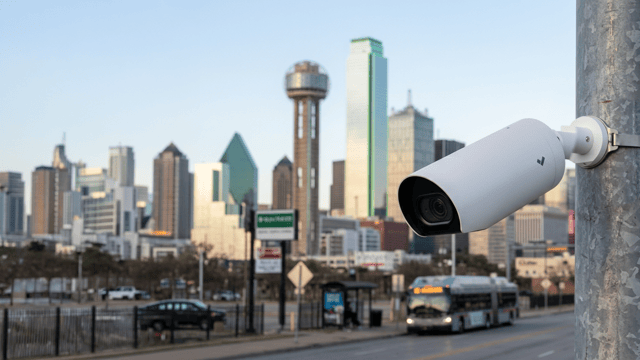
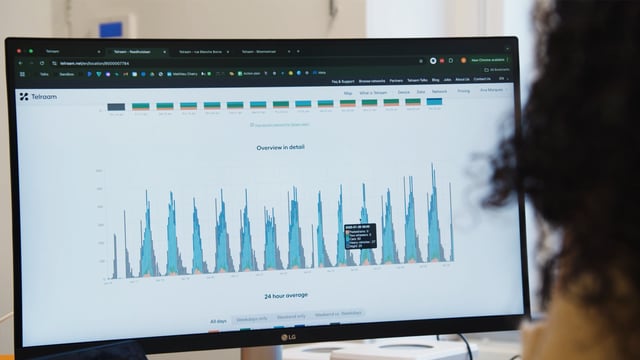
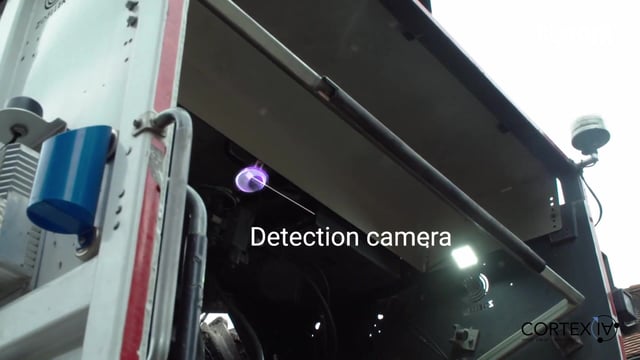
The Mississippi Department of Public Safety will deploy trailer-mounted AI cameras to detect traffic violations in real time, after the state’s Information Technology Services Board approved a sole-source contract with Acusensus Inc. The three-year deal, valued at $2,052,000 and funded through federal grants, lets the cameras flag offences such as seatbelt and mobile-phone violations and speeding, and has already drawn privacy objections from state lawmakers.
A $2 Million Sole-Source Contract
The Information Technology Services Board approved the agreement on Thursday, clearing the Department of Public Safety to execute it. Officials designated Acusensus a sole-source provider after verifying it is currently the only company offering the exact technology.
Under the contract, Acusensus relocates each trailer up to 52 times a year, so the department is not responsible for moving the units. DPS says it will use the systems to target high-crash corridors and construction zones where officers cannot routinely patrol.
An Officer Stays in the Loop
The Mississippi system is built around real-time human review rather than automated mailed tickets. AI on the trailer detects a suspected violation and forwards the evidence to an officer positioned further along the road, who decides whether to make a stop.
“It will catch driving behaviors. The AI will actually capture it and send it downstream to an officer sitting downstream,” Major Scott Henley of DPS told the ITS Board. “The officer will determine if it is a valid violation for a stop and at that point the officer will actually stop the car and issue a citation in real-time. The whole goal is to change driving behaviors and reduce crashes.”
Acusensus’s Track Record
Founded in Melbourne in 2018, Acusensus built its reputation on camera systems that detect mobile-phone use and seatbelt non-compliance, including New South Wales’s pioneering phone-detection program in Australia. The company says its sensors capture prosecutable images day or night and in poor weather, including sun glare, and can read vehicles travelling at high speed without motion blur.
Henley said the technology is now used in five states, with preliminary data suggesting it has helped reduce crashes and supported traffic enforcement.
Lawmakers Raise Privacy and Constitutional Concerns
The deployment surfaced immediate pushback at the Capitol. House Ways and Means Chairman Trey Lamar said citizens’ right to privacy is important and that he expects the Legislature to investigate the cameras to ensure constitutional rights are not infringed.
State Representative Dan Eubanks went further, describing AI cameras that process a driver’s actions and signal an officer downstream as a slippery slope, and questioning whether the constitutional right to confront an accuser is satisfied when an algorithm, not the citing officer, detects the offence. State Senator Joey Fillingane said he had no objection to using the devices for traffic-flow and public-safety purposes, but would oppose any move to mail citations without an officer issuing them.
Calls for Public Reporting
ITS Board member Mark Henderson urged DPS to publish violation rates and other data quarterly so the board and the public can assess whether the system works.
The debate places Mississippi among a growing number of US jurisdictions weighing AI-assisted traffic enforcement against privacy and due-process questions, as cities such as Houston deploy AI traffic cameras and others expand automated systems.