in Barcelona
 3 to 5 Nov 2026

Rennes Métropole, the authority for the 43 municipalities around Rennes in Brittany, said on 17 November 2026 that it will pool infrastructure with Eau du Bassin Rennais, the public drinking water authority for the area. The joint announcement says remotely read meters of large consumers and local authorities are to report through Écodata, the metropolis’s long-range, low-power radio network.
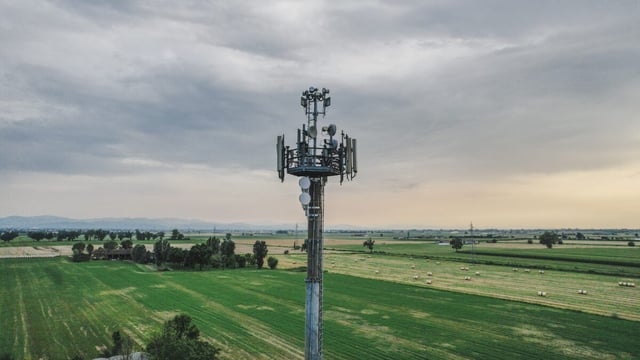
Eau du Bassin Rennais is to put the network’s antennas on the roofs of its water towers. In return, it will be able to collect data from sensors fitted to public water meters.
Why: Large Users Need Data And Leak Alerts
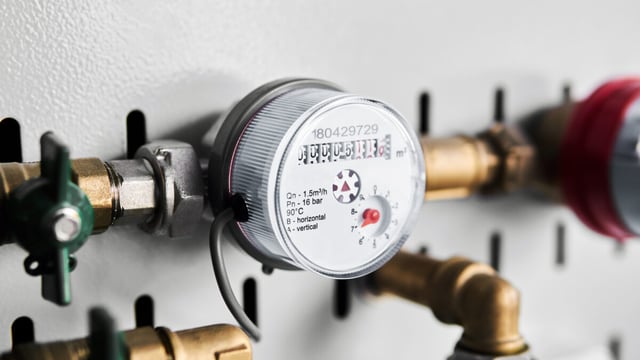
The two authorities say the aim is to help big consumers and public bodies cut water use at a time of scarce water. Meter owners are to get consumption data in real time and alerts when a leak is detected.
This project is heading to tender
New smart water tenders worldwide, flagged daily with an AI summary.
Public buildings are a large share of demand. Rennes’ four municipal swimming pools use about 80,000 m³ a year, or 37% of the city council’s water consumption, according to a 2024 council report cited by Unidivers.
Brittany relies mainly on surface water and has faced drought restrictions in recent summers. Eau du Bassin Rennais already funds water-saving work through its Ecodo programme, which Unidivers puts at €270,000 a year for 2025 to 2030.
Shared Network, Not New Meters
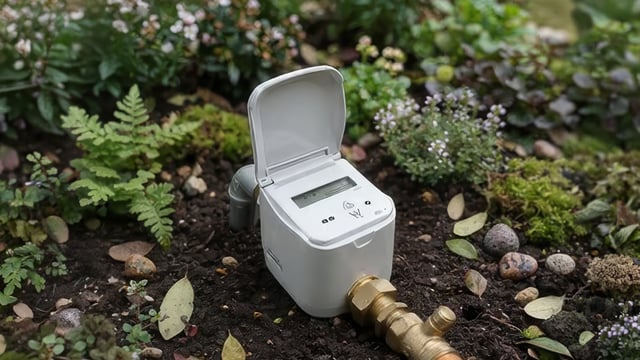
The 6,000 meters are already read remotely, Unidivers notes, so the project connects existing devices to a shared network rather than replacing meters. Neither authority has named a network vendor or given a cost.
Écodata is the metropolis’s own IoT network. Rennes Métropole says it can also carry sensors for energy use, temperature, air quality and fill levels. Unidivers reports that the network runs on LoRa radio technology, which the press release does not state.
In a March 2025 presentation cited by Unidivers, the metropolis said it already had about 5,000 sensors in service for various uses. It planned to monitor public water users from 100 m³ a year and private users from 1,000 m³ a year.
Comparable French Networks
Several French local authorities have built their own public IoT networks to carry water and energy data. Nièvre Numérique began rolling out a public LoRaWAN network for remote meter reading in early 2026, as we reported in March.
What Happens Next
The cooperation agreement runs for five years and can be renewed, with regular joint monitoring by the two authorities. The release does not give a start date for the meter connections.
The city of Rennes publishes the list of water meters it operates directly on its open data portal, though without consumption volumes.