in Barcelona
 3 to 5 Nov 2026
The SJP Inteligente consortium won the auction for the public lighting public-private partnership (PPP) of São José dos Pinhais, a city in the Curitiba metropolitan area of Paraná, Brazil, on 27 November 2026, Agência iNFRA reported. Its bid offered an 18.11% discount on the maximum monthly payment of R$796,300, bringing the city’s payment to about R$652,100 a month.
The auction took place at the B3 stock exchange in São Paulo. Three other bidders took part: Azevedo & Travassos Investimentos and the Concip São José dos Pinhais and Tradetek consortia.
Who Is In The Consortium
Seven companies make up SJP Inteligente. They include Juganu, an Israeli developer of connected streetlights with built-in sensors, and Dataprom, a Curitiba supplier of traffic enforcement and mobility technology.
Track tenders like this
New street lighting tenders worldwide, flagged daily with an AI summary.
The other members are Tatemono Participações, an investment holding company, and Era Técnica, an engineering and construction contractor. Engeluz and Tecnoluz are lighting and electrical contractors, and Realmobi is a road signage and mobility technology company.
Why: A Federal Programme For Lighting PPPs
The project was structured by Caixa Econômica Federal, the state-owned bank, through FEP Caixa, a federal fund that pays for the preparation of municipal concession and PPP projects. The federal Investment Partnerships Programme (PPI) and the Ministry of Cities supported it, according to the project website.
Speaking after the auction, PPI adviser Marcelo Fioravantti said public lighting projects are going through a change in how they are financed because of Brazil’s tax reform, Agência iNFRA reported. The Casa Civil and the Ministry of Cities have an open call for cities of more than 50,000 residents that want to structure PPPs combining public lighting with integrated technology services.
The concessionaire is responsible for modernising, operating and maintaining the network for the full term. The choice of luminaires, control nodes and monitoring software therefore sits with the consortium, which is why equipment suppliers such as Juganu and Dataprom bid as members.
What The Contract Covers
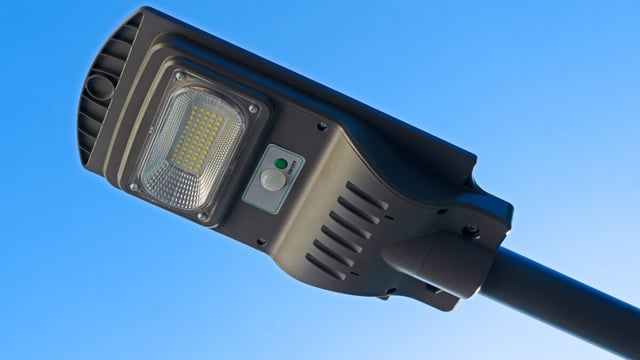
The concession covers about 40,000 lighting points and a remote monitoring system for the network. The project website puts the total at 41,197 points, including 899 new solar-powered points at bus stops and boarding areas.
All existing luminaires are to be replaced with LED. The scope also includes special lighting for 12 heritage and cultural sites in the city.
The consultants who prepared the project estimate an energy saving of 25.56% over the contract, aRede reported in September 2026. The same report put the number of residents served at about 353,874.
The project went to public consultation from 4 August to 3 September 2025, with a public hearing at the city council on 20 August 2025. Grupo Houer, an infrastructure consultancy, and the law firm MViana Advogados prepared the technical and legal studies.
What Happens Next
Contract signing is the last step after the auction, according to the project website. Brasil Inovador reported that work starts with an inventory of the network, followed by the progressive replacement of the existing sodium and mercury vapour lamps.