in Barcelona
 3 to 5 Nov 2026
WaterSense, a Polish start-up building autonomous sensors that track the quality of rivers and lakes, raised the money through a mix of pre-seed equity and grants, Tech.eu reported on 26 November 2026. The company plans to use it to scale its monitoring network across Europe, according to EU-Startups.
Why: Most European Surface Waters Miss Their Targets
Only 37% of Europe’s surface water bodies reached good or high ecological status, and 29% good chemical status, in the latest assessment by the European Environment Agency published in October 2024.
The case for earlier warning is familiar in Poland. In summer 2022, the Oder river suffered a die-off of hundreds of tonnes of fish, which the European Environment Agency linked to high salinity from discharges combined with a toxic algal bloom.
Building in this space?
Kurrant Ventures backs start-ups digitalising cities and utilities, and opens doors to the operators that buy from them.
- Latitudo 40
- GoodVision
- Meersens
- Cortexia
What The Company Says Its Sensors Do
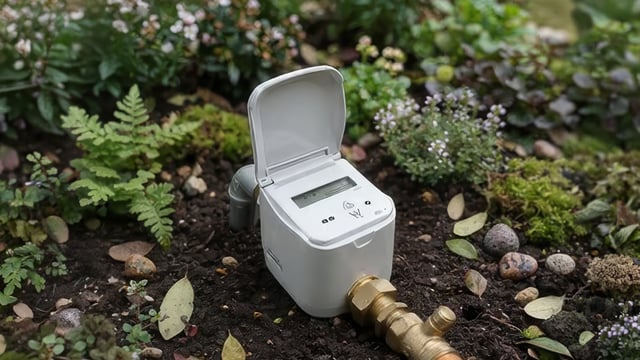
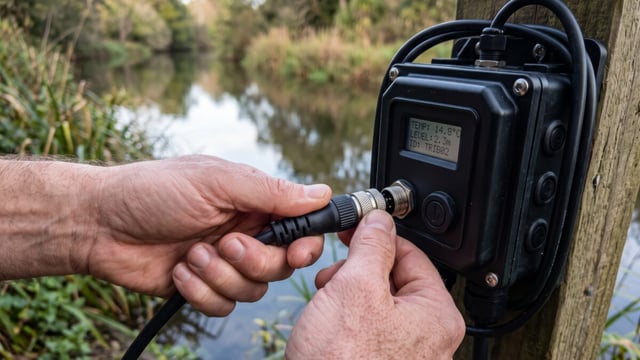
WaterSense says it combines low-cost printed sensors on floating units with predictive analytics, so that operators receive continuous readings and early warning of pollution events. The company says its models can forecast pollution up to 72 hours ahead, The Recursive reported, a figure from the company itself.
WaterSense sells the river data it collects as a subscription, Tech Funding News reported.
The technology started as a project at the Warsaw University of Technology. In November 2025, WaterSense was named one of two global winners of the 2025 James Dyson Award, an international engineering competition for students and recent graduates.
What Happens Next
WaterSense plans to use the funding to extend its network to more European rivers and lakes. Member states are due to bring their waters to good status under the EU Water Framework Directive by 2027, the final deadline the directive allows.