in Barcelona
 3 to 5 Nov 2026
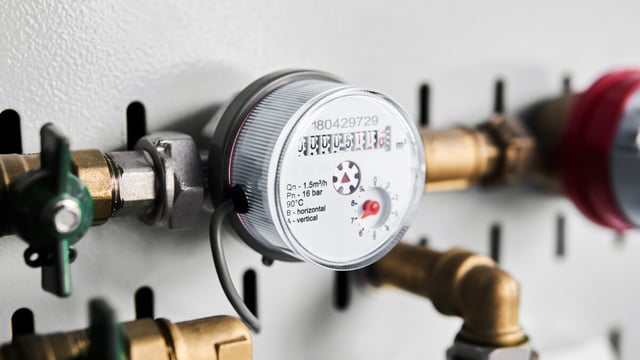
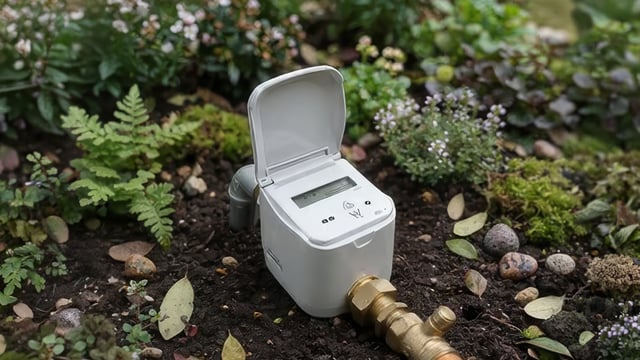
The Saudi Fund for Development (SFD), the Riyadh-based state development lender, signed six concessional loan agreements worth more than $403 million with Syria’s Ministry of Finance on 4 November 2026 in Riyadh, according to the Saudi Press Agency as reported by Al Jazeera. The package finances power, water, civil defence, housing, health and public finance projects, and includes a $30 million water loan that SaudiGulfProjects reports will pay for 300,000 smart water meters serving about 1.5 million people.
Six Loans, One Total
The agreements were signed by SFD chief executive Sultan bin Abdulrahman Al-Marshad and Syrian Finance Minister Mohammed Yusr Barniyeh, with Crown Prince Mohammed bin Salman and Syrian President Ahmed al-Sharaa present, according to SaudiGulfProjects. The largest loan, $105 million, funds 25 civil defence centres, followed by $100 million for hospitals and health centres, $90 million for generating units at the Aleppo Thermal Power Plant, $60 million for the rehabilitation of up to 10,000 damaged homes, $30 million for water, and $18 million for digital transformation at the Ministry of Finance, which together come to $403 million.
The signing took place during al-Sharaa’s second visit to Riyadh in less than a month and alongside a defence cooperation agreement between the two defence ministries and memoranda on industry, agriculture and environmental protection, according to Al Jazeera.
What the Water Loan Pays For
The two accounts of the $30 million loan differ in emphasis. SaudiGulfProjects lists it as the installation of 300,000 smart water meters, reaching about 1.5 million people, while the Saudi Press Agency summary carried by Al Jazeera describes it as development of drinking water systems in Damascus and Idlib. The loan equals $100 per meter if the full amount goes to the 300,000 units, a figure that would cover hardware and installation before any communications or billing software.
The meters sit inside a larger programme. On 14 June 2026 Syria’s Ministry of Energy signed an agreement with Riyadh-based Saudi Meters Company to supply and install five million smart water meters nationwide, as reported by Kurrantly. Enab Baladi reported that the contract is for ultrasonic prepaid meters, runs five years, and foresees 300,000 meters installed in 2026 starting in several governorates, which is the same quantity as the SFD loan finances.
Where the Loans Fit in the Saudi Programme
SFD, which has operated since 1974 and has financed more than 800 projects and programmes worth over $22 billion in more than 100 developing countries, first set out the Syria programme in January 2026. During a three-day visit that began on 6 January, it put the total programme at up to $1.5 billion in phases and presented four priority projects worth $250 million, according to Asharq Al-Awsat. Two of those four reappear in the November agreements: maintenance of the Aleppo thermal plant and prepaid smart water meters. The other two, conveying Euphrates water from Deir el-Zor to Homs province and irrigating the al-Bab and Tadef plains, do not appear in the six signed loans.
The $403 million signed so far equals about 26.9 per cent of the $1.5 billion ceiling, leaving roughly $1.1 billion for later phases.
Sector Conditions and Other Financiers
Syria’s water network enters the metering programme in poor condition. Kurrantly’s June report cited a figure of only 50 per cent of water and sanitation systems functioning properly after more than a decade of conflict, and reported a World Bank approval of $150 million in April 2026 for bulk water and wastewater infrastructure in Idlib, Homs and Hama plus sanitation in Damascus. Metering supports the revenue side of that investment: a subscriber-level consumption record is the precondition for loss reduction and cost-recovery tariffs, since leakage cannot be separated from consumption without measurement at the connection.
Gulf capital is also arriving in water through commercial channels. ACWA Power and WTCO have signed a joint development agreement for desalination and water transmission of up to 1.2 million cubic metres per day, according to SaudiGulfProjects, which places concessional lending for meters alongside private-sector bulk supply projects.
Delivery Milestones
Five million meters over five years implies an average of 1 million units a year, so the 300,000 funded by the SFD loan equal 6 per cent of the full programme and 30 per cent of one year’s average pace. Whether the remaining 4.7 million meters find financing on comparable terms, and whether installation in the final two months of 2026 reaches 300,000 units, will set the first real measure of how quickly Syrian utilities can move from supply-side repair to metered billing.