in Barcelona
 3 to 5 Nov 2026
Xcel Energy is rolling out artificial intelligence–driven wildfire detection cameras from Pano AI in Minnesota, aiming to install 38 camera systems in high-risk zones near its power lines. Two units have already been installed in Mankato and Clear Lake, with the rest expected by end of 2026.
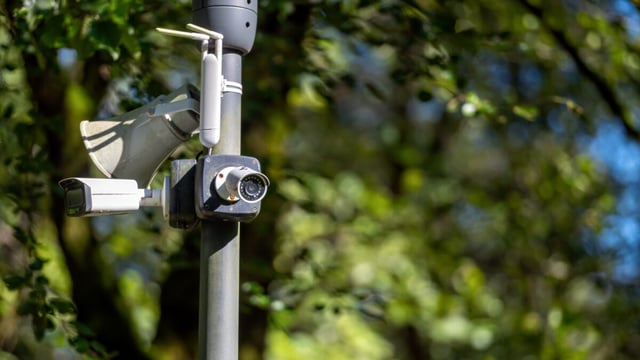
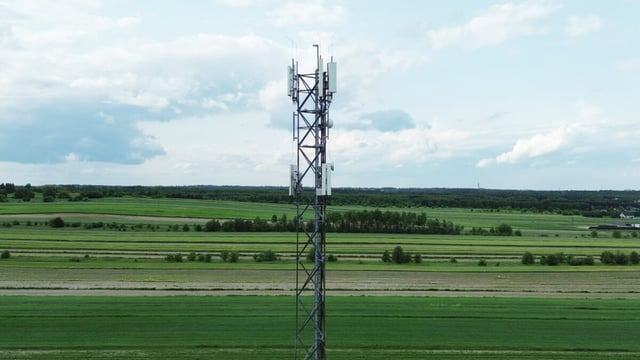
Each station consists of high-definition, 360-degree cameras mounted on existing structures (such as cell towers) that scan for smoke every minute. When potential smoke is detected, human analysts verify it, triangulate its position, and alert local fire agencies and dispatch centers.
The technology is part of Xcel’s broader Minnesota Wildfire Mitigation Program, which includes tree trimming, vegetation management, power line inspections, and other advanced monitoring tools.
While Xcel has not disclosed the specific investment cost for the Minnesota deployment, in Colorado the company committed to an agreement with Pano AI costing roughly US $50,000 per year per two-camera unit, under a five-year contract structure.
Pano AI, headquartered in San Francisco, already supplies these systems to utilities in Colorado and Texas, and has installations in over a dozen U.S. states, as well as in Canada and Australia.
The deployment aims to shorten fire response times, especially in regions difficult to monitor using traditional methods, enhancing the utility’s ability to protect communities, forests, and infrastructure.