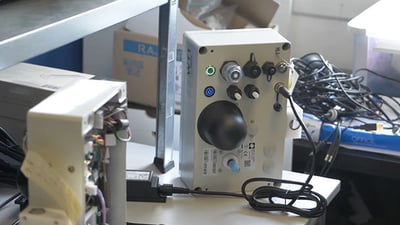
The US city of Cleveland and its county, Cuyahoga, have been in the spotlight for many decades for pollution. One of the biggest issues at one point was water, with pollution in the river leading to fires you heard right, in the water body on multiple occasions. But with improvements in water since the country-wide Clean Water Act of 1972, pollution worries have now partly shifted towards air quality. The city is among the top ten in the US list of asthma capitals, and in 2025 it even entered the EPA severe non-attainment level, meaning high pollution, possible sanctions and stricter rules. We have very high asthma rates, childhood asthma rates. In some parts of the city, we are three times the national average for asthma. We are looking at, well, what is the cause? What's causing this? Cleveland has lost industrial facilities, since the 70s, but we still have, an industrial valley which has a lot of industrial processes still. To try to find a cause to the air quality problem, in February of 2024, thanks to a $500,000 grant from the EPA in 2022, Cleveland launched the CleaninCle project. The initiative saw the deployment of air quality sensors by UK company Synetica across the city. The goal was to gather hyperlocal data to keep those with respiratory issues informed, but also, the city, so decision-makers understand why the number of asthma cases is growing. We ordered 30 sensors. And thus far we have deployed 20 of them. For this specific project. we wanted to look at environmental justice areas that had high asthma rates and looking at a different EJ indices to find out hotspots and then put additional air sensors and air monitoring in those areas to see if there's higher levels of PM 2.5, that fine particulate, in their neighborhoods than other areas of the city. The sensors collect data every 30 minutes on PM 2.5, temperature and humidity. They send the data to a platform through LoRaWAN connectivity, a key component for the city, due to previous issues. It's not the first time they've used air quality sensors. The city had tested ones that relied on Wi-Fi, but gave up on them after encountering signal and infrastructure issues. Thanks to a suggestion by Case Western University, the city turned to LoRaWAN sensors. For the 30 sensors, they only had to deploy one gateway. During their network investigations, they discovered the Cleveland Water Alliance already had a LoRaWAN system, and the organization gave them permission to piggyback their network. 20 sensors are installed and the city's looking for places for the remaining ten. To choose locations, they relied on asthma and health data, as well as resident suggestions. We identified zones, we broke the city of Cleveland into four zones of the highest levels of asthma and these highest environmental justice indices. When we were getting recommendations, we wanted them to focus their recommendations in those four zones, and we would try to spread the sensors throughout equally throughout the four zones, so that was part of the criteria when they narrowed it down, we didn't want 20 sensors in one area and ignore the rest of the zones. And that kind of helped us tailor down and help the team reduce the sites from 82 to 30. All the data gathered is displayed on a dashboard that they developed with the Case Western University. The dashboard is public, so residents can see real time data from the 20 Synetica sensors and also six EPA stations. The Synetica sensors have a cost of around $1,000 each, and the city also spent $150,000 from the EPA grant on a mobile trailer with measuring equipment to measure, for example, PM 2.5 and PM 10 in specific areas that change depending on conditions, and the rest of the budget was spent on different partnerships, like the one with the university to develop the platform or for communication efforts. We're hoping this is the start of a bigger sensor network, understanding more and even, just, this is a first step to this project. We are just trying to get more data out in the community, make people more aware of air quality data in their community. And to utilize that data to better themselves, make a better judgments and then use it to maybe rein in some industrial facilities that we need to look at through our community. The goal right now during this initial stage is to help residents, especially those with asthma, letting them know when it's safe to be out in the street, as well as gather data for city authorities to understand the issue and try to fix it. It's just the beginning of the project, but the hyperlocal data that is being gathered right now has the potential of, in the future, being integrated with other data like satellite data or mobility, or comparing it with industry activity to then take the necessary steps to curb pollution. We've seen other cities like Sheffield integrating air and mobility data to see whether shifting traffic can keep city air clean. Hyperlocal air quality data holds a lot of power, especially for understanding health issues, but complementing it with other types will make data much richer and allow for decisions to be more accurate.
Cleveland Turns to Air Quality Sensors to Tackle High Asthma Rates
The US city of Cleveland is in the spotlight for air quality pollution. The city is among the top 10 in the country’s list of asthma capitals and has exceeded air pollutant level limits, in ozone for example, since the Environmental Protection Agency set standards in the 70s. In 2025, it even entered the EPA severe non-attainment level, meaning high pollution, possible sanctions and stricter rules. To understand air quality in the city and why certain areas have more asthma cases, the municipality has turned to air quality sensors.
In this video we interview Bryan Sokolowski, Chief of Monitoring for the Cleveland Division of Air Quality, to discuss the city’s air quality project, the tech, connectivity and platform they’re using to gather hyperlocal data, as well as the goal of the initiative.
View transcript auto-generated







Similar Picks
📰 Latest News
🎬 Kurrant Originals
🎥 Recent Event Coverage

Featured Case Studies
Real client work behind the news. Strategy, M&A and engineering projects we've delivered for cities and utilities.

Stay in the Loop
Get smart cities and utilities insights delivered your way. Choose your channel
Join our WhatsApp Channel