 in Barcelona
 3 to 5 Nov 2026
the mobility sector is ripe for disruption but where is it heading and what kind of roadblocks stand in the way recently my colleagues and I spent three days exploring what many call the biggest mobility events of the year in Amsterdam we spoke to over 30 companies here's what we found out smart cameras are everywhere as video analytics opens up a never -ending We have developed special solutions to visualize sound. The EU has named noise pollution as a major health concern, even mandating that countries publish noise maps and noise management action plans every five years. But the process to measure traffic noise remains a hands-on process by police. Can a noise camera help? Do we recognize a car from the access camera? and our data containing the information how many decibels that car that particular car is making is then shared with that with the access camera and merged into a picture of the car the license plate information the type of the car and how many decibels at passing the installation the car was making. I think in general what I like to say is that IOT is really connecting devices development for different purposes connected together. One example is the sound detection with microphone connected to cameras. Another example is definitely the air quality or the metro stations. ACCESS is partnering with Visala to do that. The solution combines three different types of sensors, one measuring air quality, a compact weather station to give road conditions, and a digital solution to pull and analyze data in a management system. In case the air quality starts worsening they can actually start changing the traffic management patterns and we call it we call this concept environmental traffic management and we don't do the traffic management application ourselves but we partner then up with many companies like UNIX who are a bigger provider traffic management platforms for cities and highways for that matter. Air quality solutions were on big displayed into Not all of them use IOT, but it's interesting to think how they could at some point. Smog Stop, for example, is a highway noise barrier that actively disperses and breaks down traffic pollution. So the aerodynamics are actually developed to disperse and dilute the pollution, which includes PM 2 .5 and PM 10. Also, the aerodynamics actually draws in the pollution, but the photocatalyst developed by Smog Stop removes the... pollution. So it actually turns NOx into NO2 and O2. So this could actually be linked into things like smart mobility, working with traffic signals, traffic management software. It comes as the industry remains hyper-focused on solutions tackling environmental concerns. Of course, electric vehicles are at the top of that list, along with the data-driven applications to assist with navigating the charging landscape. A lot of these charging points will be installed. on private ground. So you're going to have publicly accessible charging points on ground which is owned by private companies. So that then adds to this further complication for the driver because not only do they need to know where the charging point is and if it works, but they also need to know is there a car park barrier, is there a separate fee for parking, how long can I park there. Parkipedia has developed an in-car payment platform that will navigate the driver to the closest charger. So that then opens up revenue stream. for us to license our data to the oem but also for the oems to sell that onto their drivers or to or to just help make their product much more uh much more usable and with a better ux for the driver because in the end all of these car companies are also trying to compete with tesla for example who has mastered the ux and as cars become smarter eventually with onboard units installed inside that allow them to collect even more data from their environments the question is how can cities and the entire transit ecosystem benefit from their data now that v2x benefits are becoming more and more clear to micro mobility players and the telecommunication industry they often come to us that hey can we use your software components in our telecommunication environment or on our scooters and the answer is absolutely yes we can do that but it's also great that they collect a tremendous amount of data through regular technologies you know 3G, 4G, 5G as a cellular link but they are not connected with each other so they are living in their own private clouds and our way in in that angle is using the ComSignia central platform to interconnect those services and exchange the data do some transformation on the data extracting useful information and that information to these stakeholders as a service. It's one of the many data platforms on display at InterTraffic. It's clear vendors are looking for solutions that'll enable them to easily share and exchange data across a highly interconnected supply chain. Just as we heard in the EV ecosystem, smart parking vendors must also update their apps with new fees and restrictions. And one vendor says blockchain is the missing link to what's currently on the market. So the problem today when a city would like to offer or to onboard parking providers, they need to make sure that all the information regarding the tariffs, regarding the regulation, regarding the grace periods, are also replicated on the database of each parking provider. And the problem with that is anytime they want to change the tarification, anytime they want to change the regulation, they have to make sure that it's also changed on every database. And even if they have a centralized database, that database can be somebody can also tamper that. so as such it's not really transparent and it's not secure whereas we use the blockchain every transaction stays there forever nobody can tamper with so and you don't need any reconciliation because the the customers like city council or parking operators they own the the parking unit matrix so they can change the tarification they can change the grace period they can change all the configuration and all the stakeholders connected to the park here metrics can see the same information so clearly a lot of innovation underway in the mobility space and a lot for us to uncover in future stories some that we didn't even get the chance to really dig into at the inter-traffic conference like the rise of non-traditional infrastructure players in the mobility space like streetlight providers so those are some of our final takeaways from the conference for more coverage on mobility developments follow along on current insights
Top Mobility Trends from Intertraffic ’22
In this video
-
 Rick Scholte
Sorama
-
 Andrea Sorri
Business Development Manager, Axis Communications
-
 Erik Sucksdorff
Head of Business Development (Europe), Road Weather, Vaisala
-
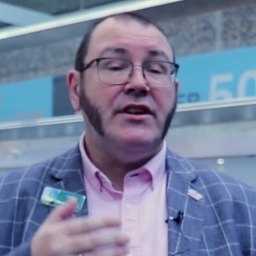 Steve Barnes
Business Development Manager, GRAMM Barrier Systems LTD
-
 Adam Woolway
Parkopedia
-
 Laszlo Virag
CEO, Commsignia
-
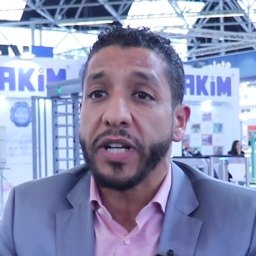 Mehdi El Mellahi
CEO, Yazamtec
About this video
This video offers a comprehensive recap of Intertraffic '22, emphasizing the latest innovations in the mobility sector. It showcases how this sector is on the brink of significant change, driven by new technologies and smart solutions. The video primarily explores advancements in three areas: smart cameras, air pollution mitigation infrastructure, and smart parking solutions.
Firstly, the video delves into the novel applications of smart cameras, featuring discussions with Rick Scholte from Sorama and Andrea Sorri from Axis Communications. These cameras, equipped with advanced features, are set to revolutionize surveillance and monitoring in urban spaces, offering improved safety and efficiency.
Next, the focus shifts to Gramm Barrier Systems' Steve Barnes and Vaisala's Eric Sucksdorff, highlighting their work in combating air pollution. The solutions by these companies aim to create healthier urban environments, showcasing how modern infrastructure can contribute to cleaner air in cities.
The third segment explores the latest developments in smart parking solutions, featuring insights from Adam Woolway from Parkopedia and Mehdi el Mellahi from Yazamtec. These technologies promise to streamline parking in urban areas, potentially easing traffic congestion and enhancing the overall efficiency of city transportation. We also look at the latest in V2X with Laszlo Virag from Commsigna.
However, the video also addresses a crucial challenge facing these innovations: the potential hindrance caused by outdated legislation and data-related issues. It raises critical questions about whether current legal frameworks and data management practices are adequate to support the adoption and scaling of these technologies in urban settings.
This recap is especially informative for urban planners, policymakers, and technology enthusiasts interested in the future of urban mobility. It provides a balanced view of the exciting possibilities these innovations offer, as well as the hurdles that need to be overcome for their successful integration into city infrastructures.
Viewers seeking to understand the intersection of technology, urban planning, and legislative challenges will find this video insightful. It not only highlights the latest technological advancements but also encourages a conversation about the broader implications of integrating these solutions into existing urban frameworks.
Read the transcript machine-generated
More in Mobility
See all 4:11
From Cameras to Insights: VisionAI Transforms Motorway Operations
 6:29
VisionAI Helps Boost Security During 2024 Olympic Games
 8:19
Curbing Noise Pollution with AI-Enabled Solution
 7:29
Brussels’ Smart City Strategy – Part 2
 7:59
Smart Parking Landscape Changes with New Players, Enforcement
 8:13
Mobility Data: New Paradigm for Smart Cities
Latest news in mobility
All news- Natal Starts Installing Adaptive Traffic Signals On Avenida Prudente De Morais21 Nov 2026
- Slovak Road Administration Renews Vaisala Road Weather Station Maintenance20 Nov 2026
- SFMTA Picks Hayden AI To Replace Muni Bus Lane Cameras On 212 Buses20 Nov 2026
- STASY Awards Dotsoft €1.09M Contract For Smart Parking At Four Athens Metro Stations20 Nov 2026
Kurrant advisory
Planning a mobility project? Talk to Kurrant.
Behind these interviews is Kurrant's advisory team, working with utilities, cities and the companies that serve them.
- Strategy AdvisoryKurrant is actively involved in resolving the challenges that cities, utilities and industry players are facing.
- M&A AdvisorySmart city and utility expertise for successful deals, turning insights into strategic gains.
- Engineering & ProcurementBetter engineering and procurement decisions, by identifying and developing digital and IoT solutions across use cases.
Or write to us: contact@kurrant.com
Send us a message