in Barcelona
 3 to 5 Nov 2026
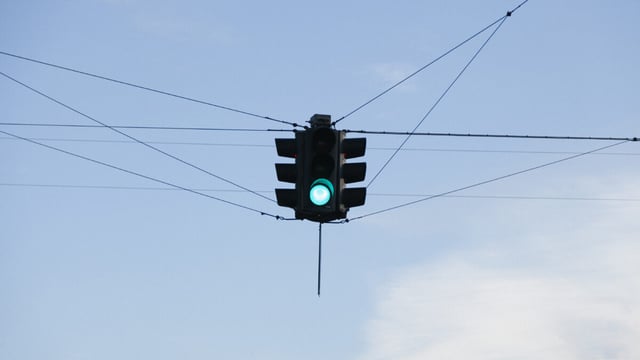
Natal, capital of the Brazilian state of Rio Grande do Norte with 751,300 residents, has started fitting the first corridor of its new signal system. The city government announced the work on 19 November 2026, Tribuna do Norte reported. The first phase runs between Avenida Nilo Peçanha, near the Januário Cicco maternity hospital, and Avenida Governador Tarcísio de Vasconcelos Maia.
The system is not yet operating. The city expects to finish assembly and switch it on in the coming weeks, once the whole corridor is equipped. In the meantime the equipment is collecting traffic counts to identify peak hours and flow patterns.
Why Natal Is Replacing Its Signals
Natal’s signal timings are adjusted by hand. “Today it is manual. We need to go to the traffic light to adjust it,” Walter Pedro, deputy traffic secretary at the municipal urban mobility secretariat (STTU), told local media in March 2026.
The controllers and cameras being replaced date from 2009, according to Agora RN. The funded project is formally titled smart traffic lights for prioritising public transport, and STTU secretary Jódia Melo has said its main aim is smoother flow, especially for buses. The secretariat estimates that peak-hour travel times could fall by about 20%.
Scope And Financing
The full programme covers 197 intersections. Of these, 138 are to get adaptive control that changes signal timing with traffic flow, and 59 are to be connected to a central control room for remote adjustment.
The equipment list includes 483 video detection points and 398 audible pedestrian push-buttons, Agora RN reported. The design also provides coordinated green waves along corridors, signal priority for ambulances and fire engines, and backup power at some junctions.
The city signed a R$32.2 million (approximately €4.93 million) loan with state bank Caixa Econômica Federal on 10 September 2026. The money comes from the FGTS workers’ severance fund through Pró-Transporte, the urban mobility credit line of the federal Novo PAC investment programme. The loan carries a 36-month grace period followed by 20 years of repayment. The city had opened a supplementary budget credit of R$27.76 million (approximately €4.25 million) for STTU on 9 September 2026 to channel the funds.
The mayor signed the service order to start work on 30 September 2026, with the job valued at about R$29 million, according to Agora RN. The contract was awarded to Brazilian companies Sinalvida Dispositivos de Segurança Viária and Serttel Soluções em Mobilidade e Segurança Urbana, with a value of R$29.17 million (approximately €4.47 million), according to Contract 011/2026–STTU published in Natal’s municipal gazette on 5 October 2026.
Comparable Projects In Brazil
Natal is one of several Brazilian state capitals moving from fixed-time to camera-fed signal control. As we reported in October, Belo Horizonte is replacing 500 controllers covering about 1,500 signals with units that adjust their own timings and can be run remotely.
What Happens Next
Under the Caixa contract, the loan must be drawn down within 24 months of signing, by September 2028. The first corridor on Avenida Prudente de Morais is the opening phase of the 197-intersection programme.