 in Barcelona
 3 to 5 Nov 2026
When you travel to the US or live there, something sticks out like a sore thumb. Traffic, and the city of Philadelphia is not immune to it. With its dense, narrow streets and tight blocks and 1.6 million residents, the municipality that saw Rocky Balboa climb the steps of its art museum needs to knock out traffic issues. Traffic patterns are very interesting in Philadelphia, especially post-pandemic. So traffic levels, I would say, are as high as they were before. And in the region, it's among the most congested in the nation for sure. And I think it ranked top 10 in the world in one review. But that's when you think about the fact that we don't have an extensive expressway network the way that many Sunbelt cities do, many cities in the south. and west to manage traffic the city has its own traffic operations center where road flow data is collected through the municipalities over 860 traffic cameras they can even tap into the more than 5 000 cameras owned by different authorities like the pennsylvania traffic department penn dot the philadelphia police department the transit authority of southeastern pennsylvania scepter and other agencies we were a little bit late maybe about 10 years ago getting a traffic management center and I think what we found is that traffic management centers were changing just as we were getting one. We use these tools to have a good sense of you know which intersections are failing maybe we can retime signals on the fly but we also on top of that in the same period we're able to implement bus priority and so this is our ability to extend green times for buses and we've seen some success around that but I think we're at a point now we have to figure out how to integrate all that. I think we're interested in exploring technology that operates at the edge more. Our system was set up with federal funding so we comply with all the federal regulations in terms of how we handle the video, but I think the public would have greater comfort and we might have more confidence in the resiliency of the system if we work more with with edge -based technology. So we're experimenting a little bit with that. We've got one block we call this block where we deployed edge sensors and they've worked pretty well. How we're going to use that data though is something we're trying to figure out. Despite having the control center, the municipality still hasn't reached the integration they want to achieve. The data is useful for real -time decisions and they also integrate with PennDOT District 6 as they use the city's camera to manage their traffic too. But they're looking to integrate more. We're collecting analytics, I think we could do more with that. frankly but uh the other sources of data that are out there so we use some of the aggregators like enrich for uh certain things and ways is uh is a partner we've worked with through their community-based uh programs and we're we're always trying to explore how to integrate more septa actually helps us quite a bit they've integrated the swiftly uh information in in their data collection and so getting it all together in one place is still a challenge we have to take on the municipality also has other types of cameras that help reduce infractions like the 146 red light enforcement cameras at 34 intersections and even 32 speed enforcement cameras at Roosevelt Boulevard, one of the most dangerous roads in the country, which has led to a 90 % decrease in violations. But that's not the only projects they've tried out. They recently piloted a smart loading zone. The pilot had 20 paid curbside loadings. for delivery drivers in the downtown area. Delivery companies were able to reserve spaces and times through the app PebbleDriver. Fleet managers registered fleets, entered license plates associated with them and added payment information on the platform. The municipality's goal with the project, which ended in April, was to get an idea of loading activities, something they'll see when the data is analyzed in the upcoming months. According to Mike, the city is also very focused on its public transit to reduce congestion. Before the pandemic, they were registering 1 million unlinked rides a day, a number that post-COVID has gone down to 620,000. But to improve the public transport offer and attract more riders, the city continues to turn to smart solutions. But click on the part two video to find more about Philadelphia's mobility.
Philadelphia’s Smart Traffic & Transit Strategy – Part 1
MobilityPhiladelphiaTraffic management & monitoring
In this video
-
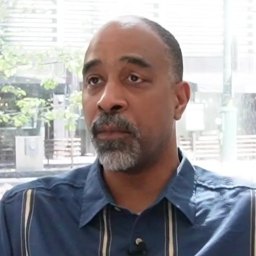 Mike Carroll
Deputy Managing Director for Transportation, Infrastructure, and Sustainability, City of Philadelphia
- Emily Yates CIO, SEPTA
About this video
This week's insightful two-part video features an in-depth discussion with Mike Carroll, Deputy Managing Director for Transportation, Infrastructure, and Sustainability in Philadelphia, and Emily Yates, CIO at SEPTA. The conversation revolves around Philadelphia's innovative strategies in managing and enhancing its traffic and public transportation systems.
The first segment of the video introduces Mike Carroll, who sheds light on Philadelphia's current transportation challenges and the city's efforts to address them. He delves into the role of advanced technology and data analytics in streamlining traffic flow and reducing congestion. The segment also explores how the city prioritizes sustainability in its transportation initiatives, balancing efficiency with environmental considerations.
Transitioning to the second part, Emily Yates takes the stage to discuss SEPTA's role in transforming Philadelphia's public transport landscape. She elaborates on the integration of smart solutions in public transport, enhancing commuter experience and operational efficiency. Yates highlights key projects and initiatives that have significantly improved service reliability and accessibility, underscoring the importance of public-private partnerships in these endeavors.
Throughout the discussion, both Carroll and Yates emphasize the importance of community feedback and engagement in shaping transportation policies. The video also includes insights into future plans and potential projects aimed at further advancing Philadelphia's transportation infrastructure.
This comprehensive dialogue offers valuable perspectives on urban transportation management, highlighting Philadelphia's journey towards a smarter, more sustainable future. Whether you're a city planner, transportation enthusiast, or simply interested in urban development, this video provides a unique glimpse into the complexities and innovations in city transportation management.
Read the transcript machine-generated
More in Mobility
See all 4:11
From Cameras to Insights: VisionAI Transforms Motorway Operations
 6:29
VisionAI Helps Boost Security During 2024 Olympic Games
 8:19
Curbing Noise Pollution with AI-Enabled Solution
 7:29
Brussels’ Smart City Strategy – Part 2
 7:59
Smart Parking Landscape Changes with New Players, Enforcement
 8:13
Mobility Data: New Paradigm for Smart Cities
Latest news in mobility
All news- USDOT Selects UCLA, University Of Michigan And Derq For $5.5M Intersection Safety Phase One25 Oct 2026
- MBTA Begins Hayden AI Bus Lane And Bus Stop Camera Enforcement On Routes SL4 And SL525 Oct 2026
- Los Angeles Council Approves 50 DASH Bus Enforcement Cameras In $3.43M Hayden AI Contract24 Oct 2026
- Allstate’s Arity To Acquire INRIX Assets To Merge Driving And Traffic Data20 Oct 2026
Kurrant advisory
Planning a mobility project? Talk to Kurrant.
Behind these interviews is Kurrant's advisory team, working with utilities, cities and the companies that serve them.
- Strategy AdvisoryKurrant is actively involved in resolving the challenges that cities, utilities and industry players are facing.
- M&A AdvisorySmart city and utility expertise for successful deals, turning insights into strategic gains.
- Engineering & ProcurementBetter engineering and procurement decisions, by identifying and developing digital and IoT solutions across use cases.
Or write to us: contact@kurrant.com
Send us a message