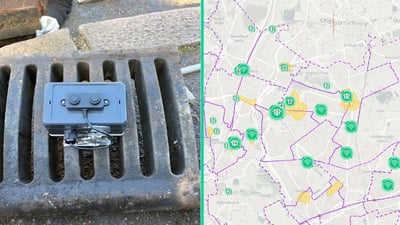
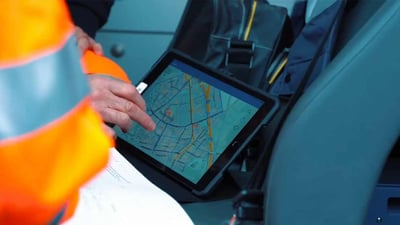
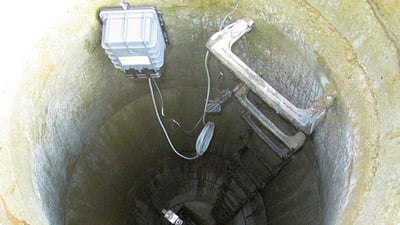
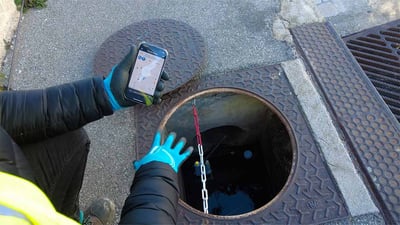
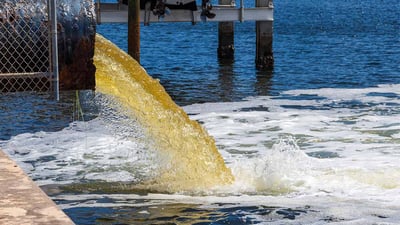
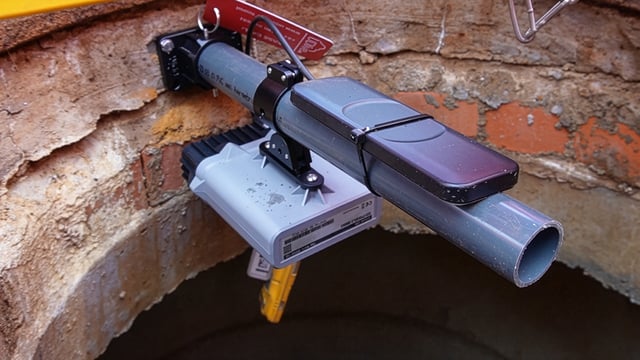
The UK's water industry is very advanced when it comes to digital solutions. However, the utilities still face challenges. One of the scandals regarding water in the UK in the last months has been the sewage investigations by water authority Ofwat. In August of this year, the organization proposed that Thames Water be fined 104 million pounds, Yorkshire Water 47 million and Northumbrian Water 17 million for the mismanagement of wastewater treatment, sewage networks and storm overflow operations. And it's not the first time we've seen these types of fines. To look for a solution, earlier this year, the UK's water industry published a plan to stop 150,000 spills from storm overflows a year, investing 10.2 billion pounds in an overflow programme. This is just part of a growing trend in the UK to increase investments in the recycling part of the water lifecycle. For a while now, obviously a lot of focus has been on supply. You know, people need water to survive. And that has led into not as much investment, capital investment being available to the wastewater recycling side. But now that is fundamentally changing. It’s recognized industry wide that we have a big step change to make and the investment now is the most I've ever seen, and I’ve been in the industry for almost 20 years, and that’s specifically the water recycling side of the business. Most investments will go to infrastructure renewal, but digital will get a slice of the cake. Anglian Water is investing in digital solutions for wastewater. They have installed and continue to install fill level sensors in their sewage system through their Dynamic Sewage Visualization project, or DSV, to manage sewer capacity and curb overflows, since 40% of pollution incidents are due to blockages. Essentially, it's a mass investment program across water recycling networks within Anglian Water, and it's a deployment of relatively low cost, sewer level monitors from a variety of suppliers, into our sewer network. They read the levels. We can then use that to react to if the sewer starts increasing or decreasing, which might indicate there’s a blockage or a restriction forming further up or downstream of where that monitor is located. And that all feeds into a third party external platform that we use, which is StormHarvester, that visualizes the data, applies machine learning and AI algorithms to it, and then gives us the proactive alerts, which we can then use to deploy our, guys and girls out to the ground, essentially to try and clear the sewer. These low cost sensors measure the depth of the sewer in intervals. Then they send the data to the platform which analyzes it, and if a change is detected, it sends an alert. The reason why AW went for low cost sensors is due to economic feasibility, and because of the easy install. I was able to witness an installation and saw it only took ten minutes to do. Installers praised how easy it is to position and connect. The utility went for sensors by companies Map16, Metasphere, HWM and UDlive They decided to go for a multi supplier framework to have a more resilient network, as if connectivity goes down for one set, they don't lose all eyes on the network. Depending on signal and depth requirements, ones may be better than others in each case as well. So far, the utility has already seen results from the over 24,000 sensors installed in 11,000km of sewers. It sits in that environment in terms of being monitored on a shift roter, in terms of having eyes on the platform so that we can then respond to alerts as they come in. And that's a logic that we deploy across the entirety of the control room for the really critical assets, which is what programs like DSV, and some of our other critical systems are becoming in that environment. We have cleared over a thousand blockages proactively. and I think we're sitting around the 75, 80% hit rate. So of the alerts that we are deploying, they're turning into work orders 75-80% of the time, they're coming back as they are finding something. We've not got a very high no fault found rate at the moment. Historically, the utility would have to clear blockages after an issue had already occurred. So when it had already impacted a customer or the environment, the sensors now allow them to clear the sewers even when there's a slight change registered. So blockages won't have such big impacts, allowing the utility to be proactive instead of reactive. Considering the low cost of the sensors and the fact that it's proactive, so cost of repairs will go down, Anglian water is seeing a return on investment which allows them to expand their digital projects. We are using kind of rising main monitoring with a few different suppliers. We've got two that I know of that we're using kind of en masse and we're continuing to deploy, which is Ovarro and Syrinix. Syrinix is a pressure monitor solution that's physical monitors. And then Ovarro is using our data from our corporate systems of pump start and stop times. Both of them are kind of aiming to do the same thing, that’s to detect when we've got either a drop in pressure or a drop in or increase in pump activity, which might indicate that we've had a burst somewhere on the rising main. We will see a huge change in just the way that we invest in terms of our capital investment, in terms of our operational investment, return of hours to the business, reduced hours on site because we either pick up the issue early or we send the correct expertise the first time because we know exactly what the fault is or even down to we tell them exactly the piece of equipment that's failed and they are able to go and do a root cause analysis, investigate the fault and fix. So I think we will have a benefit in our operational performance and cost. Probably we still will invest where the problem is, but we'll also be able to invest in solving the other issues which will reduce the overspend because we don't understand the issues. And then in terms of energy and efficiency as well. It will reduce the need to have to build major infrastructure because we utilize what we already have to its full capacity. Anglian Water is just an example of the importance that the wastewater part of the water lifecycle is gaining in the UK. It comes from consumer complaints, but also authority and government demands as Ofwat and the administration continue to put pressure on the utilities to stop spills and pollution of water bodies, which is why we'll see them continue to invest in digital, as it helps them reach demands. As investments in digital solutions in waste water gain traction, in the next five years, it will be crucial to get a holistic view of the network looking for solutions, whether it be a digital twin or a platform, that allow all parts of water recycling to understand what's going on with each section of the process, to be able to work together as all parts are affected by each other.
UK Turns to Digital to Monitor Wastewater Network
UK water utilities still face challenges despite being so advanced when it comes to digital transformation. One of the challenges comes from investigations by water authority Ofwat, which has fined water utilities on many occasions for wastewater spills. To look for a solution, the UK’s water industry is planning to invest 10.2 billion pounds in an overflow programme that will cover infrastructure renovations and digital solutions, proving a growing trend in the UK to increase investments in wastewater. Anglian Water is one of the utilities relying on digital to face their wastewater network issues with projects like their DSV, Dynamic Sewer Visualization.
In this video we delve with Hannah Brunsden, Project Manager within the Water Recycling Strategic optimization team at Anglian Water and Adam Jessop, Strategic Optimization Network Manager at Anglian Water, into the DSV project, what it is, how it works and why they chose the framework they did, as well as other digital solutions in their wastewater network and return on investment.
View transcript auto-generated








📰 Latest News

🎬 Kurrant Originals

🎥 Recent Event Coverage



Featured Case Studies
Real client work behind the news. Strategy, M&A and engineering projects we've delivered for cities and utilities.

Stay in the Loop
Get smart cities and utilities insights delivered your way. Choose your channel
Join our WhatsApp Channel