 in Barcelona
 3 to 5 Nov 2026
Toxic algae is an ongoing struggle for many public water systems, especially in the summer months. What we typically see in our drinking water reservoir is a discoloration, right? We start to see a green tint. It can be found in a drinking water reservoir along with lakes, ponds, and oceans. The overgrowth of algae can taint drinking water and even cause... dead aquatic zones and large bodies of water with more development you have more fertilizer which contains nitrogen and phosphorus and that's what really causes harmful algae blooms sometimes it's toxic and sometimes it's not they produce these cyanobacteria produce toxins nobody knows why if toxic authorities pour chemicals into the water which some argue is toxic as the blooms themselves. Technology is now changing this process from computer vision solutions to ultrasonic frequencies paired with IOT. Chippewa Lake has been free of toxic algae for nearly one year now. In 2014, Ohio closed Chippewa Lake to the public due to recurring toxic algae blooms. It took five years for authorities to reopen the lake and it's remained open ever since the county credits blue green technologies as a reason why the ability to develop computer vision capabilities that are looking at water the way water has never been looked at blue green technologies has developed a computer model that pulls data over an lte network from satellites and drones and analyzes that information with data collected from water probes with those insights blue green technologies understands where the ports can chemical solution, and they say that limits the amount of chemical typically needed. It's a holistic approach where we measure different parameters, some of them related to biomass of the algae, including proxy for specifically cyanobacteria, which is a toxic species. We measure pH and dissolve oxygen. That gives us the sense of... we are how we are in the right direction is another treatment is needed and for how much and again this is all combined with remote sensing either from drones uh or from satellites typically the company says it could take 24 to 48 hours to kill the algae plus as blue green monitors more bodies of water its computer model gets smarter that enables blue green to detect algae faster and and more locations. Blue Green shares reports on the condition of the algae with its customers throughout this process. No word on the pricing. You have to be able to draw very good data out of water, get an overall picture of what's going on at any given time, be able to immediately analyze it, turn it into an action plan and execute the plan and everything within real time. Because otherwise, either you're working. based on the wrong information or you're acting upon an out -of -date information either way you're going to fade now some cities don't want to use chemicals at all and that's led to a lot of opportunities for ultrasonic solutions as seen with water iq this unit which is called for us a pulsar uh amidst 2056 frequencies ultrasonic frequencies it It reduces these frequencies over about a 30 plus minute time period and it pulses every second, a different range of frequencies. Every algae has cells, they're called gas bacules, and then we rupture them. The ultrasonic device attaches to platoons that sit in the water. They need to be introduced in a daily close range to the algae. to be effective, anywhere from 70 to 400 meters max. The blue-green algae will fall to the bottom of the lake when it's hit by a sound wave. On the other hand, it will take about three to four weeks of green algae to die. The ultrasonic device sells for as little as $5,000 per unit, but that price can reach $50,000 when paired with Water IQ's Water Quality Monitoring System. It uses sensors by Eureka and Turner to measure algae levels and water quality. That data is sent to the cloud over a SIM card. Findings are presented on a platform that will alert managers to an overgrowth of the algae. You know, these report every 15 minutes. So we're able to look at not only blue -green algae and green algae counts and the trends, but also dissolved oxygen and turbidity and pH levels. Now looking at the market, it's hard to tell. how effective these solutions are in the fight against toxic algae, ultrasonic devices in particular, because a lot of that research has been limited to a lab. Critics argue that the solution isn't productive in large bodies of water, but others say. You know, I've worked with other lake projects where they kind of were concerned because the units weren't, they didn't think they were working. But... I looked at the scale of the water body and the amount of ultrasonic units and I said well this is way undersized for what you need so you know instead of say having one unit they probably needed four or five. There are also a lot of unknowns related to the growth of algae and its movement in the water. This could greatly impact the effectiveness of technology. You know you don't have the luxury of having data in a lot of lakes. You don't have a lot of lakes. lot of data for any lake in many cases. Researchers in the Jefferson project in collaboration with IBM have been studying Lake George and upstate New York for eight years. The team has deployed an edge computing platform within the water that captures and analyzes data from a network of water quality sensors. That data is combined with other monitoring equipment like nearby weather stations. It gathers insights about our waters that isn't always apparent through physical water sampling. limited sensors and to kind of data that can ultimately predict toxic algae blooms and ultimately benefit other data science capabilities so the idea is we're trying to provide a larger coverage so we can understand better the dynamics because they may vary from one side of the lake to another or one one basin in a lake than another because the characteristics can be very very different for more coverage on how that research unfolds along with other cases related to the technologies we explored today, be sure to follow along on Current Insights.
Originals Environmental Monitoring
Fighting Toxic Algae with Ultrasonic, IoT, Computer Vision
AI & Computer VisionEnvironmental MonitoringWater quality monitoring
In this video
-
 Rich Abbott
Water Quality Coordinator, Syracuse Water Department
-
 Lawrence Field
Founder & CEO, WaterIT Technologies
-
 Harry Kolar
IBM Fellow, IBM Research
-
 Eyal Harel
CEO, BlueGreen Water Technologies
-
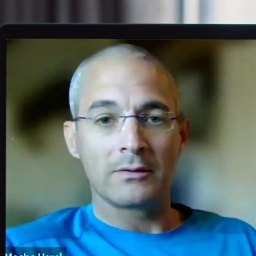 Moshe Harel
Founder & CSO, BlueGreen Water Technologies
About this video
The video presents a comprehensive exploration of modern technological solutions to combat toxic algae, a significant challenge for public water systems globally. This issue, particularly prevalent in warmer months, affects various water bodies including drinking water reservoirs, lakes, and oceans. Traditional methods often involve the use of harsh chemicals, but the focus here is on groundbreaking alternatives.
The discussion is led by experts in the field: Richard Aboot, Watershed Quality Coordinator at Syracuse Water Department, Lawrence Field, Founder & CEO of WaterIQ, Harry Kolar, IBM Fellow at IBM Research, Eyal Harel, CEO of BlueGreen Water Technologies, and Moshe Harel, Founder & CSO at BlueGreen Water Technologies. Their insights provide a deep dive into the latest advancements in tackling toxic algae.
Key technologies highlighted include the use of ultrasonic frequencies, which, when combined with IoT sensors, offer a promising approach to monitoring and controlling algae growth. Additionally, the video covers computer vision solutions, a cutting-edge method that utilizes satellites and drones to study algae. These technologies not only provide more sustainable solutions compared to chemical treatments but also allow for real-time monitoring and more efficient responses to algal blooms.
The video is not just a showcase of these technologies but also delves into their practical applications and effectiveness. Discussions with the experts shed light on the real-world impact of these innovations and their potential to revolutionize how water authorities manage and treat toxic algae.
Ideal for professionals in the water management sector, environmental scientists, and technology enthusiasts, this video offers practical insights into the intersection of technology and environmental management. Viewers interested in sustainable solutions and the application of advanced technologies in environmental conservation will find the content particularly valuable. The insights from industry leaders provide a unique perspective on the challenges and opportunities in utilizing technology to address environmental issues like toxic algae.
Read the transcript machine-generated
More in Environmental Monitoring
See all 4:25
The Tech Behind Tsunami Alerts: How AI and Sensors Save Lives
 4:32
Exposomes: Where Smart Cities, AI, and the Scientific Community Meet
 7:24
The Evolution of Smart Cities and Utilities in the US
 5:50
Cleveland Turns to Air Quality Sensors to Tackle High Asthma Rates
 7:15
How AI-Enabled Cameras and Predictive Analytics Helped Fight LA Fires
 6:13
Austin Energy Steps Up Wildfire Prevention with Vision AI
Latest news in environmental monitoring
All news- UK National Parks Launch Wildfire Resilience Programme In Cairngorms29 Oct 2026
- Victoria Adds 11 AI Bushfire Cameras To Seven-Unit Plantation Network In A$3.8M Programme29 Oct 2026
- Korea National Park Service Builds Bandal Lens AI To Identify 17 Mammal Species From 1,300 Cameras20 Oct 2026
- UK Space Agency Opens £2M Satellite Grant Call For Environmental Intelligence And Emissions Monitoring20 Oct 2026
Kurrant advisory
Planning a environmental monitoring project? Talk to Kurrant.
Behind these interviews is Kurrant's advisory team, working with utilities, cities and the companies that serve them.
- Strategy AdvisoryKurrant is actively involved in resolving the challenges that cities, utilities and industry players are facing.
- M&A AdvisorySmart city and utility expertise for successful deals, turning insights into strategic gains.
- Engineering & ProcurementBetter engineering and procurement decisions, by identifying and developing digital and IoT solutions across use cases.
Or write to us: contact@kurrant.com
Send us a message