in Barcelona
 3 to 5 Nov 2026
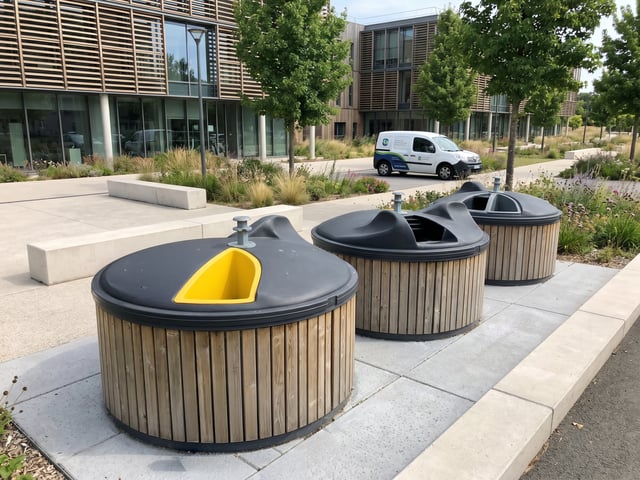
The Las Rozas local government has implemented a city-scale digital twin within its smart-city platform, enabling real-time monitoring and simulation of urban assets. The system covers mobility infrastructure, lighting, energy generation, public-space sensors, waste-container levels and water/energy consumption, supporting decision-making and operational efficiency.
The digital twin is anchored within the city’s intelligent-platform called “COSMOS”, developed by Las Rozas Innova (the municipal innovation agency) in collaboration with vendors. The project is based on the CCOC (Cloud City Operations Center) solution from NEC Corporation, certified under the FIWARE standard, and designed to integrate data from multiple sources in a modular, scalable architecture.
The procurement process was carried out via a public-innovation contract (CPTI) and the project is partially funded by the EU’s Next Generation funds. The contract awarded to NEC-Iberica is valued at about €731,707 (after a bidding reduction from a base of €860,000) for supply, deployment and maintenance of the digital-twin mobility module. The agency secured more than €18 million in European funding for wider innovation initiatives including this platform. The earlier estimated budget for the mobility twin was around €700,000 over three years.
With nearly 50 layers of information integrated and hundreds of IoT sensors and cameras in place, the digital-twin tool is intended to simulate alternative scenarios for traffic, emergencies, public-lighting, energy-use, air-quality and waste-management, thus strengthening responsiveness and resource optimization across the municipality.