in Barcelona
 3 to 5 Nov 2026

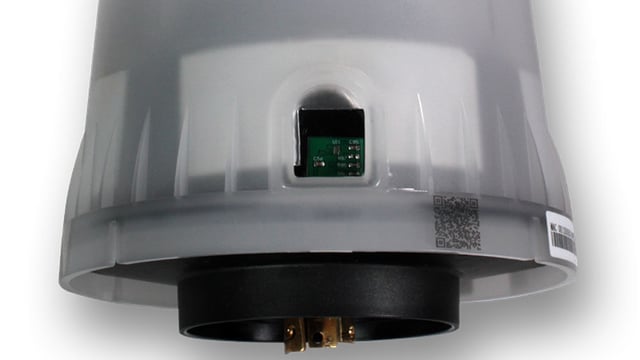
Itron, the US metering and grid technology supplier, said on 17 November 2026 that its networked lighting controllers have received type approval from the National Measurement Institute (NMI) for Type 9 metering in Australia’s National Electricity Market (NEM). The approval lets the controller fitted to a streetlight supply the readings used for billing and market settlement, with no separate meter on the pole.
Why: Councils Pay For Streetlight Energy On Estimates
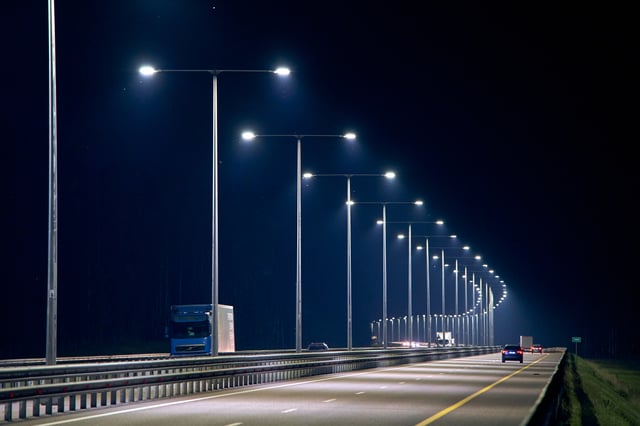
Australian streetlights have mostly been connected as unmetered loads, so councils are billed on a calculation from the number and rating of their lamps. The Lighting Council Australia, the lighting industry association, said in August 2024 that paying for measured use would give councils a reason to dim lights in quiet streets and raise them on busy roads or in bad weather.
The Australian Energy Market Commission (AEMC) changed the market rules on 15 August 2024 with its flexible trading determination, which lets market participants use the measurement capability built into smart streetlights and EV chargers. The streetlight and public EV charger arrangements applied from 31 May 2026, and most other parts of the rule from 1 November 2026.
The AEMC estimates the rule package could deliver benefits of up to A$100 million over 20 years, mainly from avoided metering installation and maintenance costs and lower wholesale costs. For lighting suppliers, type approval is the entry ticket: Itron says Class 1 accuracy, within ±1.0%, is the standard required for billing and settlement in the NEM.
What Itron Says The Controllers Do
Itron says its controllers record streetlight consumption in five-minute intervals and send the data over the utility’s existing advanced metering network to CityEdge, its central management software. The company says the same devices let utilities switch and dim lights remotely and spot lamp outages as they happen.
The NMI certificate is published by the Department of Industry, Science and Resources. Itron says the approved controllers are available in Australia now.
The Institute of Public Works Engineering Australasia has estimated that Australia has more than 2.3 million streetlights, a figure the Clean Energy Finance Corporation cited in 2017 alongside a cost to councils of over A$420 million a year for supplying and maintaining public lighting.
Where Connected Streetlights Already Run
In Sydney, the Southern Sydney Regional Organisation of Councils and 29 councils are working with distributor Ausgrid to replace more than 62,000 main-road streetlights with LEDs and smart controls over three years, as we reported in December 2023.
All parts of the AEMC rule have applied since 1 November 2026, so measured streetlight data from approved devices can be used for settlement in the NEM. In Canberra, the Australian Capital Territory Government is adding 16,000 Itron controllers, taking the number of lights fitted with Itron technology from about 31,000 to more than 47,000, as we reported in November 2026.